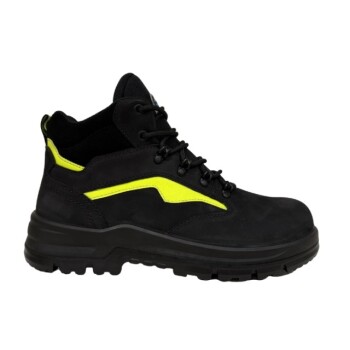
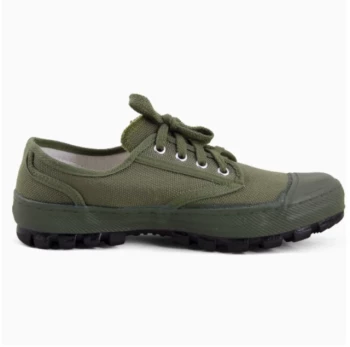
Professional work safety shoes serve as a fundamental catalyst for increasing the effectiveness of health interventions in the workplace. By directly modifying the immediate physical environment of the worker through optimized arch support and slip resistance, these shoes systematically dismantle the physical and psychological barriers—specifically fatigue and fear of injury—that typically hinder occupational physical activity.
Core Takeaway While training and policy set the stage for health interventions, ergonomically designed safety shoes provide the necessary physical infrastructure to make them sustainable. By mitigating physical exhaustion and environmental risks, professional footwear transforms the workplace environment from a barrier into a facilitator of consistent physical activity.
The Mechanism of Intervention Support
Mitigating Physiological Barriers
One of the primary threats to any occupational health intervention is physical exhaustion. Professional work safety shoes address this by optimizing arch support.
By distributing body weight more effectively across the foot, these shoes reduce the cumulative strain on joints and muscles. This delay in the onset of fatigue allows workers to maintain higher activity levels throughout their shift without reaching a point of physical failure.
Reducing Environmental Risk and Anxiety
Fear of injury is a significant psychological deterrent to movement in industrial environments. Slip resistance is a critical feature that directly counters this barrier.
When workers trust the grip and stability of their footwear, they are less likely to restrict their movements cautiously. This psychological assurance encourages necessary physical engagement, ensuring that safety concerns do not stifle the physical activity required by the job or health program.
The Socio-Ecological Context
Addressing Environmental Determinants
According to socio-ecological models, the physical environment is a primary determinant of human behavior. Safety shoes function as an immediate environmental modification.
Rather than relying solely on an employee's motivation to stay active, providing ergonomic footwear removes external friction. It creates a "path of least resistance" where maintaining activity levels becomes physically easier and safer.
Sustaining Long-Term Adherence
Health interventions frequently fail due to a lack of long-term adherence. By offering physical protection and comfort, safety shoes help overcome the attrition associated with discomfort.
When the immediate physical feedback of work—such as foot pain or joint shock—is minimized via shock-absorbing materials, employees are more likely to consistently participate in work protocols. This sustainability is essential for the long-term success of any occupational health strategy.
Understanding the Limitations
The Hierarchy of Controls
It is crucial to remember that safety shoes fall under Personal Protective Equipment (PPE), which is the last line of defense in occupational safety.
While they enhance intervention effectiveness, they cannot replace engineering controls or administrative changes. Hazards should first be eliminated or substituted at the source before relying on footwear to protect the worker.
The Risk of Compensation
High-performance equipment can sometimes lead to risk compensation. Workers may overestimate their protection and engage in unsafe behaviors, assuming their footwear makes them invulnerable.
Interventions must explicitly train workers to understand that while their shoes mitigate risk, they do not eliminate the need for situational awareness and adherence to safety protocols.
Making the Right Choice for Your Goal
To maximize the effectiveness of your occupational health intervention, you must match the footwear features to the specific barriers your workforce faces.
- If your primary focus is endurance and fatigue management: Prioritize footwear with superior arch support and shock-absorption capabilities to maintain energy levels during long standing periods.
- If your primary focus is injury prevention in dynamic environments: Select shoes with certified slip-resistant outsoles and reinforced ankle support to provide stability on uneven or slick surfaces.
By integrating professional safety shoes into your health strategy, you move beyond simple compliance and create a physical environment that actively supports employee well-being.
Summary Table:
| Feature | Physical/Psychological Impact | Role in Health Intervention |
|---|---|---|
| Optimized Arch Support | Reduces joint strain and delays muscle fatigue | Maintains high activity levels throughout shifts |
| Slip Resistance | Decreases fear of injury and increases stability | Encourages movement and physical engagement |
| Shock Absorption | Minimizes foot pain and joint impact | Sustains long-term adherence to health protocols |
| Ergonomic Design | Improves body weight distribution | Removes physical barriers to workplace activity |
Elevate Your Workplace Health Standards with 3515 Footwear
As a large-scale manufacturer serving distributors and brand owners, 3515 offers comprehensive production capabilities for all footwear types, anchored by our flagship Safety Shoes series. Our extensive portfolio covers work and tactical boots, outdoor shoes, training shoes, and sneakers, as well as Dress & Formal shoes to meet diverse bulk requirements.
By partnering with us, you gain access to durable, ergonomically designed footwear that minimizes worker fatigue and maximizes safety, ensuring your health interventions deliver lasting results. Contact us today to discuss how our manufacturing expertise can support your brand or distribution network.
References
- Maryam Selk-Ghaffari, Ramin Kordi. Conceptualization and development of a questionnaire to determine physical activity barriers. DOI: 10.20463/pan.2022.0009
This article is also based on technical information from 3515 Knowledge Base .
Related Products
- Premium Lightweight Safety Shoes for Wholesale & Bulk Orders
- Durable Leather Safety Boots for Wholesale & Custom OEM Manufacturing
- Premium Suede Sport Safety Shoes for Wholesale & Bulk Orders
- Wholesale Premium Waterproof Nubuck Safety Shoes Boots
- Custom Safety Shoe Manufacturer for Wholesale & OEM Brands
People Also Ask
- What role does blockchain play in footwear supply chain transparency? Enhance Safety Shoe Traceability and Verification
- How is the absence of PPE (safety shoes & helmets) categorized in construction motion data labeling? Unlock Real-Time Safety Insights!
- What is a recommended alternative to using hairspray for slip resistance? Ditch Unreliable Hacks for Real Safety
- What workplace hazards indicate the need for safety shoes? Identify risks to protect your workforce.
- What role do specialized safety shoes play in preventing falls? Engineering Stability in Industrial Environments