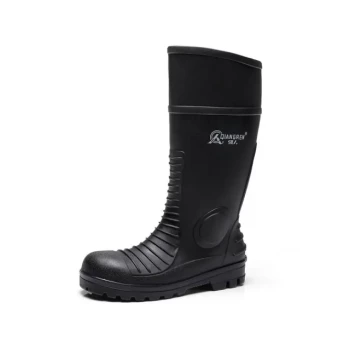
Industrial safety shoes and safety helmets function as the primary physical defense against severe trauma in palm oil processing facilities and technical workshops. They act as immediate barriers, protecting workers from crushing injuries caused by heavy machinery, punctures from sharp debris, and blunt force trauma from falling objects.
In the high-risk ecosystem of palm oil production, Personal Protective Equipment (PPE) serves as a critical survival mechanism rather than a simple precaution. These tools provide essential cushioning and resistance against thermal, mechanical, and gravitational hazards that would otherwise compromise worker physical integrity.
The Multi-Faceted Role of Foot Protection
Mitigating Crushing and Compression Injuries
In areas dominated by heavy machinery, the risk of objects falling or machinery parts impacting the feet is substantial. Industrial safety shoes are reinforced with protective toe caps, often made of steel or composite materials.
These caps are engineered to absorb impact energy and resist compression. This specific design feature is vital for preventing bone fractures and severe trauma during heavy lifting or mechanical operations.
Resisting Puncture Hazards
The ground in technical workshops and processing plants often conceals sharp dangers, such as metal scraps or wood debris. Safety shoes serve as a shield against these potential puncture wounds.
To achieve this, high-quality footwear incorporates puncture-resistant midsoles. This layer prevents sharp objects from penetrating the sole and reaching the foot, ensuring safe mobility across hazardous terrain.
Managing Thermal and Moisture Risks
Specific zones, such as the palm oil sterilizer kettle stations, present unique threats involving high-pressure steam and hot liquids. Standard footwear typically fails under these conditions, leading to burns or skin damage.
Industrial footwear for these stations utilizes heat-resistant materials and waterproof construction. This creates a critical barrier that shields the feet from hot splashes and maintains structural integrity despite exposure to high temperatures.
Ensuring Stability on Slippery Surfaces
Palm oil processing environments are inherently prone to oily and slippery floors. Without proper traction, the risk of slip-and-fall accidents increases significantly, particularly when operating heavy equipment.
Safety shoes address this through integrated anti-slip outsoles. These soles provide the necessary grip and stability to allow workers to maneuver safely around complex production lines.
The Critical Function of Head Protection
Cushioning Against Falling Debris
Safety helmets are the first line of defense against gravity-related hazards. In multi-level workshops, the risk of loose components or debris falling from overhead is a constant threat.
Helmets provide essential cushioning that dissipates the force of an impact. This capability is crucial for preserving the worker's physical integrity when struck by falling items.
Preventing Mechanical Collisions
Beyond falling objects, workshops are crowded with protruding machinery parts and complex production lines. Workers navigating these tight spaces are at risk of accidental head impact.
Safety helmets protect against these accidental mechanical collisions. They ensure that a momentary lapse in spatial awareness does not result in a debilitating head injury.
Understanding the Trade-offs
Context-Specific Limitations
Not all safety gear is universally effective across every station in a palm oil factory. Using a general-purpose safety shoe in a high-heat sterilizer zone is a dangerous oversight.
Standard safety shoes may degrade or melt when exposed to the extreme heat of sterilizer kettles. Conversely, heavy-duty heat-resistant boots may be unnecessarily heavy and fatiguing for workers in low-risk administrative or light assembly areas.
The Trade-off of Mobility vs. Protection
Maximizing protection often requires heavier materials, such as steel toes and thick puncture-resistant soles. While this increases safety, it can lead to increased worker fatigue over long shifts.
Managers must balance the level of reinforcement with the ergonomic needs of the worker. Over-protection in low-risk zones can reduce agility, which is itself a safety risk.
Making the Right Choice for Your Goal
Selecting the correct PPE requires analyzing the specific hazards of each station within the factory.
- If your primary focus is Heavy Machinery Operations: Prioritize footwear with reinforced steel toe caps to absorb impact energy and prevent crushing injuries.
- If your primary focus is Sterilizer Station Safety: Select footwear specifically engineered with heat-resistant materials and waterproofing to prevent steam burns.
- If your primary focus is General Workshop Maintenance: Ensure footwear features both puncture-resistant midsoles and anti-slip outsoles to handle debris and oily surfaces simultaneously.
Match the specific protective feature to the dominant environmental hazard to ensure genuine safety rather than just compliance.
Summary Table:
| Hazard Category | Protective Equipment | Key Functional Feature |
|---|---|---|
| Crushing & Impact | Safety Shoes (Steel/Composite Toe) | Absorbs impact energy; resists heavy compression |
| Puncture Risks | Safety Shoes (Puncture-resistant Midsole) | Blocks sharp debris and metal scraps from soles |
| Thermal & Steam | Heat-resistant & Waterproof Footwear | Barriers against hot splashes and steam burns |
| Slippery Surfaces | Anti-slip Outsoles | Enhanced traction for oily or wet factory floors |
| Falling Objects | Industrial Safety Helmets | Dissipates impact force to protect the skull |
Secure Your Workforce with Premium Industrial PPE
Protecting your team in the demanding environments of palm oil processing and technical workshops requires more than just standard gear—it requires specialized protection. As a large-scale manufacturer serving distributors and brand owners worldwide, 3515 offers comprehensive production capabilities for all footwear types to meet your bulk requirements.
Our flagship Safety Shoes series is engineered for maximum durability, featuring reinforced toe caps, puncture-resistant soles, and heat-resistant materials tailored for high-risk zones. Beyond safety, our extensive portfolio includes tactical boots, outdoor shoes, training sneakers, and formal dress shoes, ensuring we can anchor your entire footwear supply chain.
Partner with 3515 today to elevate your safety standards. Contact us now to discuss your bulk needs and custom specifications!
References
- Afzalul Fajar, Yusnaidi. Analysis of Employee's Awareness Level of Occupational Health and Safety at PT. Works of Fertilizer Land. DOI: 10.54209/iem.v1i01.4
This article is also based on technical information from 3515 Knowledge Base .
Related Products
- Wholesale Mesh Steel Toe Safety Shoes with Dial Closure Factory Production
- Wholesale Anti-Smash & Puncture-Proof Safety Shoes Custom Manufacturing for Brands
- Premium Wheat Nubuck Safety Shoes for Bulk Distribution
- Durable Steel Toe Safety Boots Wholesale & Custom Manufacturing
- Premium Waterproof High-Cut Industrial Safety Boots for Wholesale and Bulk Orders
People Also Ask
- What type of safety shoe is recommended for workers exposed to heavy machinery? Steel Toe Boots for Ultimate Protection
- Why is it mandatory to wear safety shoes with steel toe protection during metal loading? Prevent Crushing Injuries
- What are the main materials used in steel toe safety shoes? A Guide to Protective Footwear Construction
- Is the myth about steel toe shoes cutting off toes true? Debunking the Safety Footwear Myth
- What are the recommended uses for steel toe safety shoes? Essential Protection for High-Risk Industries