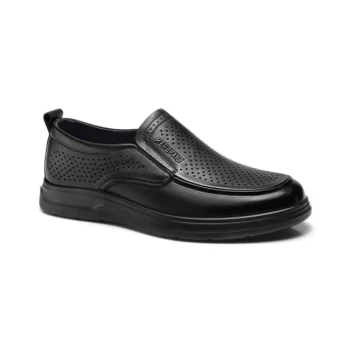
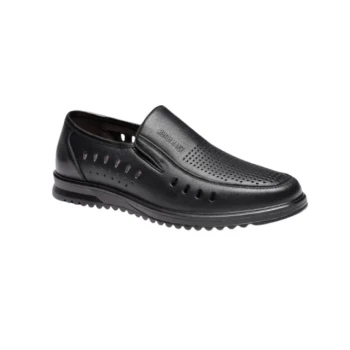
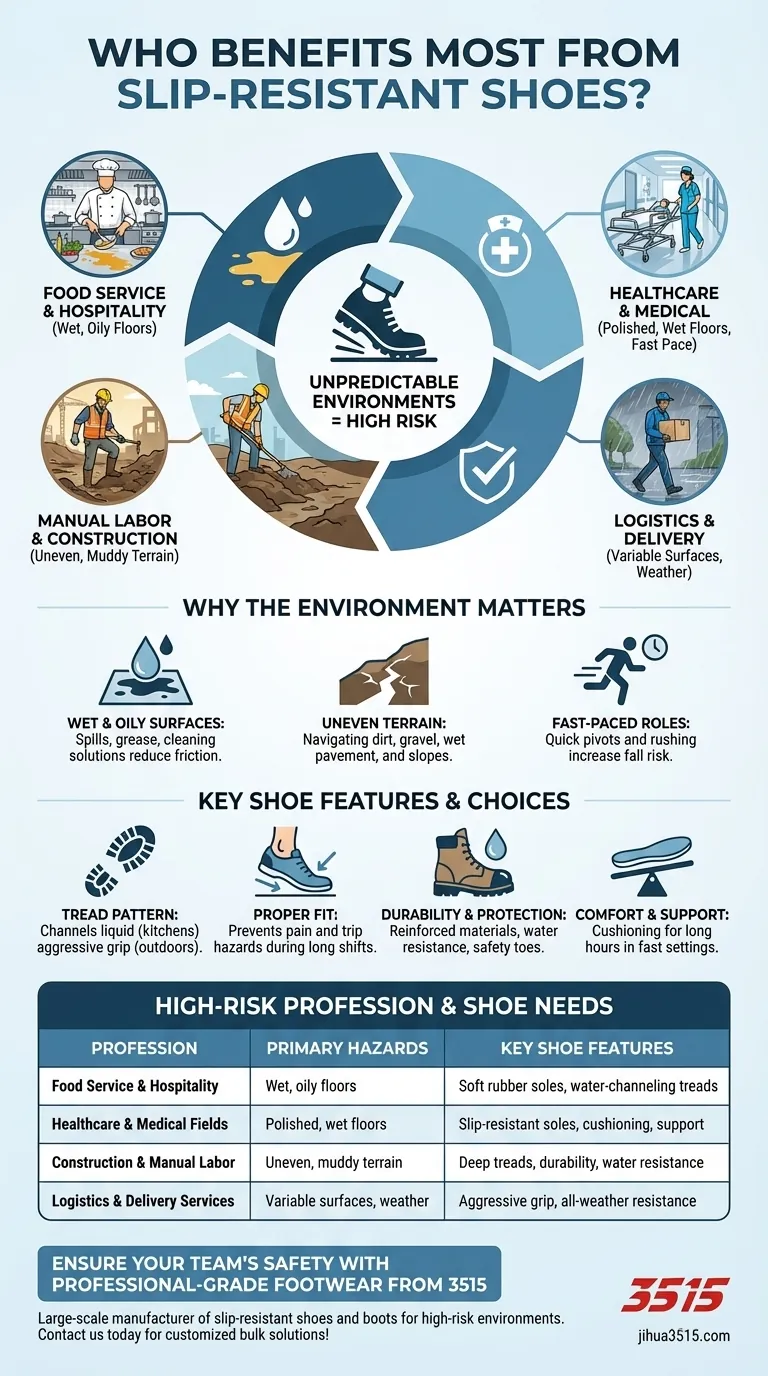
At its core, the professions that benefit most from slip-resistant shoes are those operating in unpredictable environments where floors can become wet, oily, or uneven. This includes healthcare professionals, food service and restaurant workers, janitorial staff, construction workers, and delivery personnel who constantly face a high risk of slips and falls.
The need for slip-resistant shoes is defined not by a job title, but by the work environment itself. Any role that involves exposure to slippery surfaces—be it from water, grease, or variable outdoor terrain—demands this fundamental piece of safety equipment to prevent injury.
Why Environment, Not Just Profession, Dictates the Need
The common thread connecting all roles that require slip-resistant footwear is the presence of environmental hazards. Understanding these specific risks clarifies why this type of shoe is non-negotiable for safety.
The Hazard of Wet and Oily Surfaces
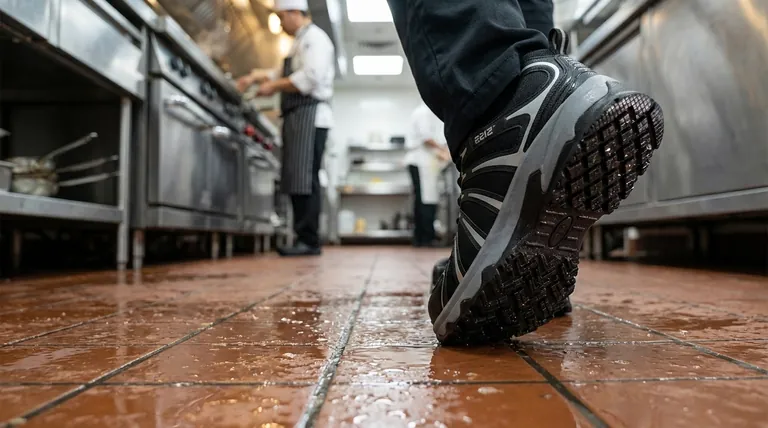
Many workplace floors are covered in materials that lose friction when wet. Spills from water, cleaning solutions, grease, and oil are common.
Professions in food service, janitorial services, and healthcare are constantly exposed to these conditions, making a reliable grip essential for preventing accidents.
The Challenge of Uneven Terrain
Slip resistance isn't just for smooth, wet floors. It's also critical for navigating unpredictable or sloped surfaces.
Construction workers, roof contractors, delivery drivers, and even hikers rely on specialized treads to maintain stability on dirt, gravel, wet pavement, or angled ground.
The Demands of Fast-Paced Roles
Jobs that require rapid movement increase the risk of a slip becoming a serious fall. Quick pivots and rushing are common in many fields.
Medical professionals in a busy hospital, vet techs handling animals, and warehouse workers moving inventory need shoes that provide a stable base during sudden movements.
Key Industries That Rely on Slip-Resistant Footwear
While the environment is the primary factor, certain industries consistently present the hazards that make slip-resistant shoes a requirement.
Food Service and Hospitality
From chefs in greasy kitchens to servers navigating spilled drinks, this industry is a prime example of a high-risk environment. Janitors and cleaning crews also fall into this category.
Healthcare and Medical Fields
Hospitals and clinics have polished floors that can become slippery from spills or routine cleaning. Nurses, doctors, and technicians spend long hours on their feet and must move quickly without fear of falling.
Manual Labor and Construction
These roles involve a wide range of hazards, from morning dew on steel beams to muddy and uneven ground. Construction workers, factory employees, and roofers need durable shoes with aggressive, slip-resistant treads.
Logistics and Delivery Services
Postal workers and delivery drivers encounter every type of surface and weather condition imaginable, often while carrying packages. Their footwear must provide consistent traction from slick lobbies to icy sidewalks.
Understanding the Trade-offs and Key Features
Choosing the right shoe involves more than just finding a "slip-resistant" label. To be effective, the shoe must match the wearer and the specific work environment.
Function Over Style
Safety footwear is engineered for protection, not aesthetics. The primary goal is to prevent injury, so durability and performance features should always be prioritized over appearance.
The Importance of a Proper Fit
Workers are on their feet for long shifts, during which feet can swell. A shoe that is too tight can cause pain, while a loose shoe can become a trip hazard in itself.
Durability and Added Safety
Professional-grade slip-resistant shoes are built with reinforced materials to withstand heavy use. Many also include features like steel or composite toes for impact protection and water-resistant uppers.
Matching the Sole to the Surface
The tread pattern on a shoe designed for oily kitchen floors is different from one designed for outdoor terrain. Evaluate the specific floor types in your workplace to ensure the shoe's sole is an appropriate match.
Making the Right Choice for Your Role
Your specific work environment should be the ultimate guide in selecting the right footwear.
- If your primary focus is working with liquid spills (kitchens, hospitals): Prioritize a shoe with a soft rubber sole and a tread pattern designed to channel water and oil away.
- If your primary focus is varied or outdoor terrain (construction, delivery): Seek out shoes with deep, aggressive treads for grip on uneven ground, along with durability and water resistance.
- If your primary focus is long hours in a fast-paced setting (healthcare, warehouses): Balance a certified slip-resistant sole with excellent cushioning, support, and a secure fit to ensure both safety and comfort.
Ultimately, investing in the correct slip-resistant footwear is a direct investment in your personal safety and well-being at work.
Summary Table:
| High-Risk Profession | Primary Hazards | Key Shoe Features |
|---|---|---|
| Food Service & Hospitality | Wet, oily floors | Soft rubber soles, water-channeling treads |
| Healthcare & Medical Fields | Polished, wet floors | Slip-resistant soles, cushioning, support |
| Construction & Manual Labor | Uneven, muddy terrain | Deep treads, durability, water resistance |
| Logistics & Delivery Services | Variable surfaces, weather | Aggressive grip, all-weather resistance |
Ensure your team's safety with professional-grade footwear from 3515. As a large-scale manufacturer, we produce a comprehensive range of slip-resistant shoes and boots for distributors, brand owners, and bulk clients. Our products are engineered for high-risk environments, featuring durable construction, certified slip-resistant soles, and tailored designs for industries like healthcare, food service, and construction. Protect your workforce with reliable footwear—contact us today to discuss your needs and receive a customized solution!
Visual Guide
Related Products
- Premium Suede Sport Safety Shoes for Wholesale & Bulk Orders
- Heavy-Duty Waterproof Nubuck Safety Boots Safety Shoes for Bulk Supply
- Advanced KPU Athletic Safety Shoe with Steel Toe Cap Anti-Slip Rotary Lacing System
- Durable High-Traction Canvas Sneakers Wholesale & Custom Manufacturing
- Durable Leather Moc Toe Work Boots for Wholesale & Custom Manufacturing
People Also Ask
- What are the primary functions of professional safety shoes? Maximize Safety in Water Supply Confined Spaces
- What industries have specific OSHA footwear requirements? Ensure Compliance & Protect Your Workforce
- What role do specialized safety shoes play in preventing falls? Engineering Stability in Industrial Environments
- How do the 3R principles influence green footwear design? Master Sustainable Safety Shoe Manufacturing
- What are the main safety features of S1-S5 shoes? The 3 Essential Protections Explained