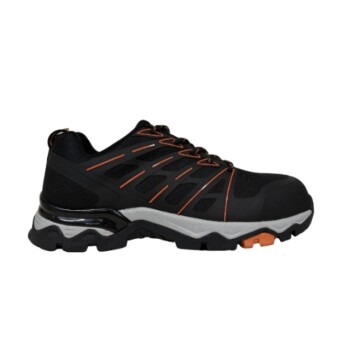
The integration of 3R principles—Reduce, Reuse, Recycle—fundamentally shifts the design phase of green footwear from pure functionality to a lifecycle-centric approach. Designers must prioritize minimizing raw material consumption, selecting recyclable eco-friendly components, and engineering structures that facilitate easy disassembly or reuse without compromising safety.
By embedding the 3Rs early in the design phase, manufacturers do not just lower environmental impact; they extend the product lifecycle and enhance market competitiveness through superior material efficiency and brand value.
Designing for Material Efficiency (Reduce)
Minimizing Raw Material Consumption
The most direct application of the "Reduce" principle occurs during the initial specification process. Designers are tasked with minimizing raw material consumption by optimizing patterns and reducing waste during manufacturing.
Lean Structural Engineering
To effectively reduce material usage, the architecture of the shoe must be precise. This involves removing unnecessary bulk while maintaining the structural integrity required for safety footwear.
Optimized Material Density
Designers must select specific material densities, particularly for outsoles, that provide maximum utility with minimal volume. This reduces the overall physical footprint of the shoe without sacrificing protection.
Selecting Sustainable Materials (Recycle)
Prioritizing Eco-Friendly Inputs
The design phase demands the selection of recyclable, eco-friendly materials over traditional, single-use synthetics. This decision determines the product's end-of-life viability before manufacturing even begins.
High-Performance Sustainable Textiles
For tactical and safety boots, "green" materials must still function as high-performance textiles. The challenge is finding recyclable materials that meet rigorous standards for thickness, elasticity, and durability.
Circular Loop Compatibility
Designers must choose materials that are compatible with existing recycling technologies. This ensures that once the footwear reaches the end of its life, the components can actually be processed and reintroduced into the supply chain.
Engineering for Longevity and Disassembly (Reuse)
Design for Disassembly
To facilitate reuse, products must be designed for easy disassembly. This modular approach allows distinct components—such as soles or uppers—to be separated and repurposed rather than discarded as a composite unit.
Extending Product Lifecycle
A design-oriented approach aims to extend the overall footwear lifecycle. By building durability and reparability into the design, manufacturers delay the product's entry into the waste stream.
Enhancing Brand Value
Creating products that support reuse strategies significantly boosts brand value. It signals to the market that the manufacturer is committed to long-term sustainability rather than planned obsolescence.
Balancing Sustainability with Performance
The Anthropomorphic Requirement
While reducing materials is critical, it cannot come at the cost of human physiological needs. Anthropomorphic design dictates that safety shoes must align closely with the user's foot structure to prevent injury.
Ergonomics vs. Reduction
There is a trade-off between material reduction and ergonomic support. Essential features like ergonomic heel designs and protective toe caps cannot be minimized if it compromises the boot's ability to protect the wearer in complex working conditions.
User Acceptance and Comfort
Eco-friendly materials must match the physical properties of traditional materials, specifically regarding breathability and flexibility. If the design prioritizes "green" metrics but fails to offer seamless comfort during long-term wear, user acceptance will fail.
Making the Right Choice for Your Project
Successfully applying 3R principles requires balancing environmental goals with the strict functional requirements of tactical gear.
- If your primary focus is Environmental Impact: Prioritize design for disassembly to ensure that all components can be easily separated and recycled at the end of the product's life.
- If your primary focus is User Performance: Ensure that the selection of eco-friendly materials does not compromise specific outsole densities or breathability, which are critical for safety in hazardous environments.
True green innovation lies in creating footwear that protects both the wearer and the environment without compromise.
Summary Table:
| 3R Principle | Design Phase Focus | Impact on Footwear |
|---|---|---|
| Reduce | Material Optimization | Minimizes raw material waste and bulk while maintaining structural integrity. |
| Reuse | Modular Construction | Enables design for disassembly, allowing components to be repurposed or repaired. |
| Recycle | Material Selection | Prioritizes eco-friendly textiles and circular loop compatibility for end-of-life processing. |
| Balance | Ergonomic Integration | Ensures sustainability metrics do not compromise protection, comfort, or safety standards. |
Partner with 3515 for Sustainable Footwear Solutions
As a large-scale manufacturer serving distributors and brand owners, 3515 offers comprehensive production capabilities for all footwear types, anchored by our flagship Safety Shoes series. Our extensive portfolio covers work and tactical boots, outdoor shoes, training shoes, and sneakers, as well as Dress & Formal shoes to meet your diverse bulk requirements.
By choosing 3515, you benefit from:
- Eco-Innovative Design: Expertise in integrating 3R principles without sacrificing safety performance.
- Bulk Scalability: High-volume manufacturing capacity for global distribution.
- Custom Engineering: Tailored material selection to meet your specific sustainability and durability targets.
Ready to elevate your product line with high-performance green footwear? Contact us today to discuss your project requirements!
References
- Deimena Kiyak, Rasa Grigolienė. Analysis of the Conceptual Frameworks of Green Marketing. DOI: 10.3390/su152115630
This article is also based on technical information from 3515 Knowledge Base .
Related Products
- Premium Suede Sport Safety Shoes for Wholesale & Bulk Orders
- Premium Lightweight Safety Shoes for Wholesale & Bulk Orders
- Premium KPU Injection Athletic Style Safety Shoes
- Advanced KPU Athletic Safety Shoe with Steel Toe Cap Anti-Slip Rotary Lacing System
- Premium Safety Shoes with Rotating Buckle Safety Sneakers
People Also Ask
- What are the primary functions of professional safety shoes? Maximize Safety in Water Supply Confined Spaces
- What industries have specific OSHA footwear requirements? Ensure Compliance & Protect Your Workforce
- What role do specialized safety shoes play in preventing falls? Engineering Stability in Industrial Environments
- How Specialized Footwear Impacts Side-Cutting Performance and Injury Risk Assessment
- Why is barefoot walking used as a baseline in gait safety research? Unlocking Natural Biomechanics for Shoe Design