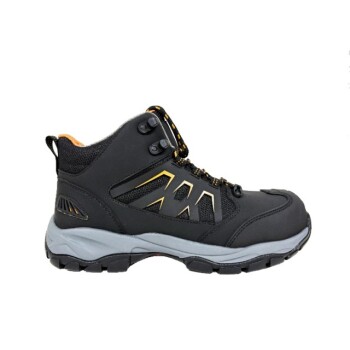
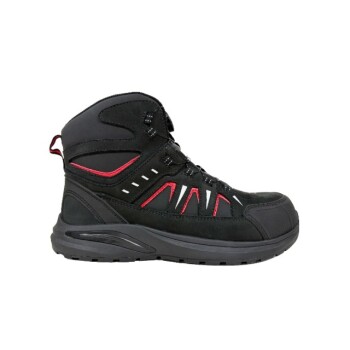
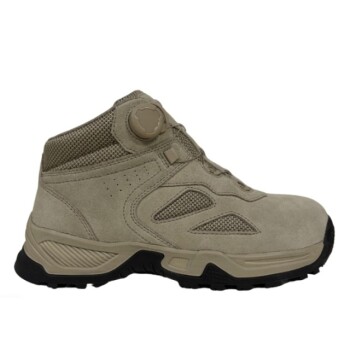
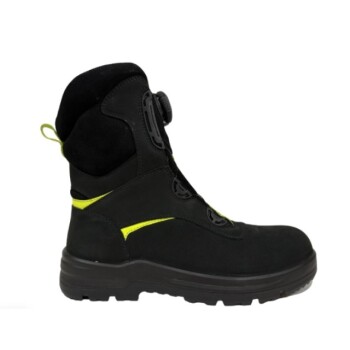
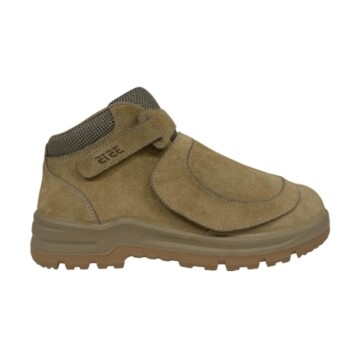
The S1 standard and integrated steel toecaps primarily provide mechanical defense against crushing injuries and heavy impacts. Specifically, these boots are engineered to withstand high-energy impacts of up to 200 Joules and handle static compression forces of up to 15 kilonewtons, effectively shielding the phalanges (toes) from heavy, falling objects or pinching machinery.
Industrial safety boots meeting this standard act as a hardened shield for the foot's most vulnerable bones. By absorbing significant kinetic energy and resisting immense pressure, they prevent catastrophic injury from falling equipment and sustained compression in hazardous work environments.
The Mechanics of Physical Protection
The S1 standard is not merely a label; it represents a specific threshold of mechanical resistance. The integrated steel toecap functions as the primary hardware component designed to meet these rigorous specifications.
Withstanding High-Energy Impact
The most immediate physical protection provided is against sudden trauma.
The steel toecap is rated to absorb 200 Joules of energy.
In practical terms, this safeguards the foot against heavy tools, construction materials, or industrial components dropping from a height. The steel cap absorbs and redistributes this energy, preventing it from crushing the toes.
Resisting Static Pressure
Beyond sudden impacts, industrial environments often present crushing hazards from heavy, slow-moving machinery.
S1-rated steel toecaps provide resistance against static pressure up to 15 kilonewtons.
This ensures that if a heavy object rolls onto the foot or if the foot is trapped under equipment, the structural integrity of the boot is maintained long enough to allow the worker to extract their foot without suffering crushed bones.
Understanding the Trade-offs
While steel toecaps offer superior mechanical protection, it is vital to understand the limitations of the S1 standard to ensure complete safety coverage.
Area of Coverage
The physical protection discussed here is localized specifically to the toe area.
While the steel cap protects the phalanges, it does not inherently offer metatarsal protection (the upper foot bones) unless the boot includes additional metatarsal guards.
Standard Specificity
The S1 standard guarantees the impact and compression resistance described above, along with antistatic properties and energy absorption in the heel.
However, standard S1 certification does not automatically include resistance to midsole penetration (sharp objects like nails) or water resistance. Those features fall under different classifications (such as S1P or S2/S3).
Making the Right Choice for Your Goal
Selecting the correct safety footwear requires matching the specific physical ratings to the hazards present in your workspace.
- If your primary focus is protection from falling objects: Ensure the boot is rated for 200 Joules to guard against sudden impacts from heavy loads.
- If your primary focus is protection from heavy machinery: Verify the 15 kilonewton compression rating to prevent crushing injuries from rolling stock or static loads.
The steel toecap remains the industry benchmark for turning a vulnerable part of the body into a protected, hardened point of contact.
Summary Table:
| Protection Feature | S1 Standard Rating | Benefit |
|---|---|---|
| Impact Resistance | 200 Joules | Shields toes from heavy falling objects |
| Compression Resistance | 15 kilonewtons | Prevents crushing from static pressure/machinery |
| Protected Area | Toe area (phalanges) | Direct defense for vulnerable toe bones |
| Key Limitation (S1 only) | - | No inherent midsole or water resistance |
Ready to secure top-tier safety footwear that meets rigorous S1 standards for your inventory or brand?
As a large-scale manufacturer serving distributors and brand owners, 3515 offers comprehensive production capabilities for all footwear types, anchored by our flagship Safety Shoes series. Our extensive portfolio covers work and tactical boots, outdoor shoes, training shoes, and sneakers, as well as Dress & Formal shoes to meet diverse bulk requirements.
Partner with 3515 to ensure your customers receive footwear that combines advanced protection with superior quality. Contact us today to discuss your bulk manufacturing needs!
References
- Ewa Puszczałowska-Lizis, Jarosław Omorczyk. Evaluation of safety boots and their relationships with the foot structure of female and male industrial workers. DOI: 10.1186/s12891-025-08983-4
This article is also based on technical information from 3515 Knowledge Base .
Related Products
- Premium Sport Style Safety Boots for Bulk Orders
- Wholesale Durable Safety Boots | Custom Steel Toe & Puncture-Resistant Manufacturing
- Puncture-Resistant Velcro Safety Boots for Wholesale & Custom Manufacturing
- Wholesale Safety Footwear Manufacturer for Bulk & Custom OEM Orders
- Durable Steel Toe Safety Boots Wholesale & Custom Manufacturing
People Also Ask
- Why are safety boots with steel toes mandatory for logging? Ultimate Protection Against Heavy Impact Hazards
- Why are industrial safety boots with steel toes necessary for machine operators? Essential Foot Protection for Safety
- Which is better, steel toe or composite toe boots? Match Your Job's Hazards for Optimal Safety
- Are steel toe boots comfortable for casual wear? Find Your Perfect Balance of Style & Safety
- Is there any truth to the myth about steel toe boots causing toe injuries upon impact? Debunking Common Safety Concerns