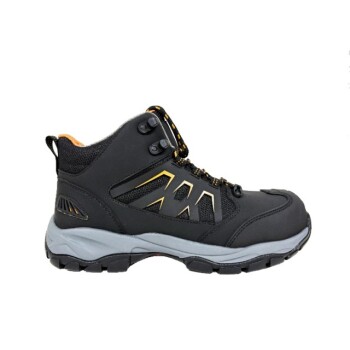
The primary advantage of steel toe shoes is superior physical protection against impact and compression injuries caused by falling objects, heavy machinery, and rolling debris. Beyond shielding the toes, these boots provide a cost-effective solution for workplace safety, offering high durability, slip resistance, and puncture protection while ensuring compliance with rigorous OSHA standards.
While alternative materials exist, steel toe footwear remains the definitive standard for maximum impact resistance and affordability in high-risk industrial environments.
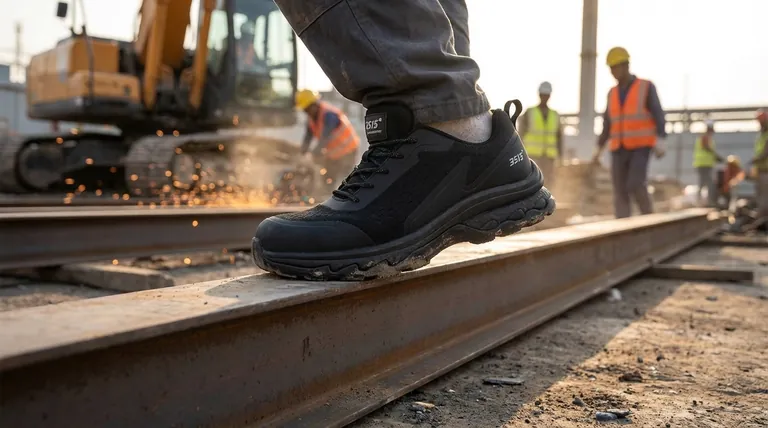
The Pillars of Physical Protection
Defending Against Impact and Compression
The defining feature of this footwear is the reinforced steel cap covering the toe box.
This cap is engineered to withstand significant force, acting as a rigid shield against crushing injuries. This makes them indispensable in environments like warehouses and construction sites where heavy items may drop or roll onto the foot.
Puncture and Cut Resistance
Industrial floors are often littered with sharp hazards, such as nails, glass, or scrap metal.
Steel toe shoes provide a formidable barrier against these cutting hazards. They prevent sharp objects from piercing the shoe and injuring the foot, significantly reducing the risk of workplace lacerations.
Electrical and Slip Safety
Many steel toe options are designed with specialized outsoles to prevent slipping on wet or oily surfaces.
Furthermore, when properly insulated, specific models protect against electrical hazards. This reduces the danger of static electricity buildup and protects the wearer from live circuits, provided the conductive steel is adequately encased.
Economic and Operational Advantages
Cost-Effectiveness
For organizations and individuals on a budget, steel toe boots are often the most pragmatic choice.
They are typically more affordable than their composite toe counterparts. This price difference allows companies to equip a large workforce with high-quality protection without inflating the budget.
Durability and Longevity
Steel is inherently tough and resistant to wear and tear.
These shoes are built to last in harsh conditions, maintaining their protective integrity longer than softer footwear. This durability translates to fewer replacements over time, further enhancing their economic value.
Regulatory Compliance
Meeting safety standards is not optional in sectors like manufacturing and construction.
Wearing steel toe shoes ensures compliance with OSHA regulations. This protects workers from injury and shields employers from liability associated with non-compliance in hazardous zones.
Understanding the Trade-offs
Weight and Fatigue
The most significant drawback of steel is its density.
Steel toe shoes are heavier than non-safety shoes and composite alternatives. For workers walking long distances or climbing frequently, this extra weight can lead to faster leg fatigue and discomfort during prolonged shifts.
Temperature Sensitivity
Steel is a highly conductive material.
In extreme temperatures, the steel cap will conduct heat or cold to the toes. This makes them less suitable for sub-zero environments, as the steel can make the wearer's feet feel colder than the ambient temperature.
Metal Detector Interference
Because they contain metal, these shoes will trigger security sensors.
If your daily routine involves passing through metal detectors (such as in airports or high-security facilities), steel toe shoes can cause operational delays and inconvenience.
Making the Right Choice for Your Goal
While steel toe shoes offer robust protection, the right choice depends on your specific work environment and budget.
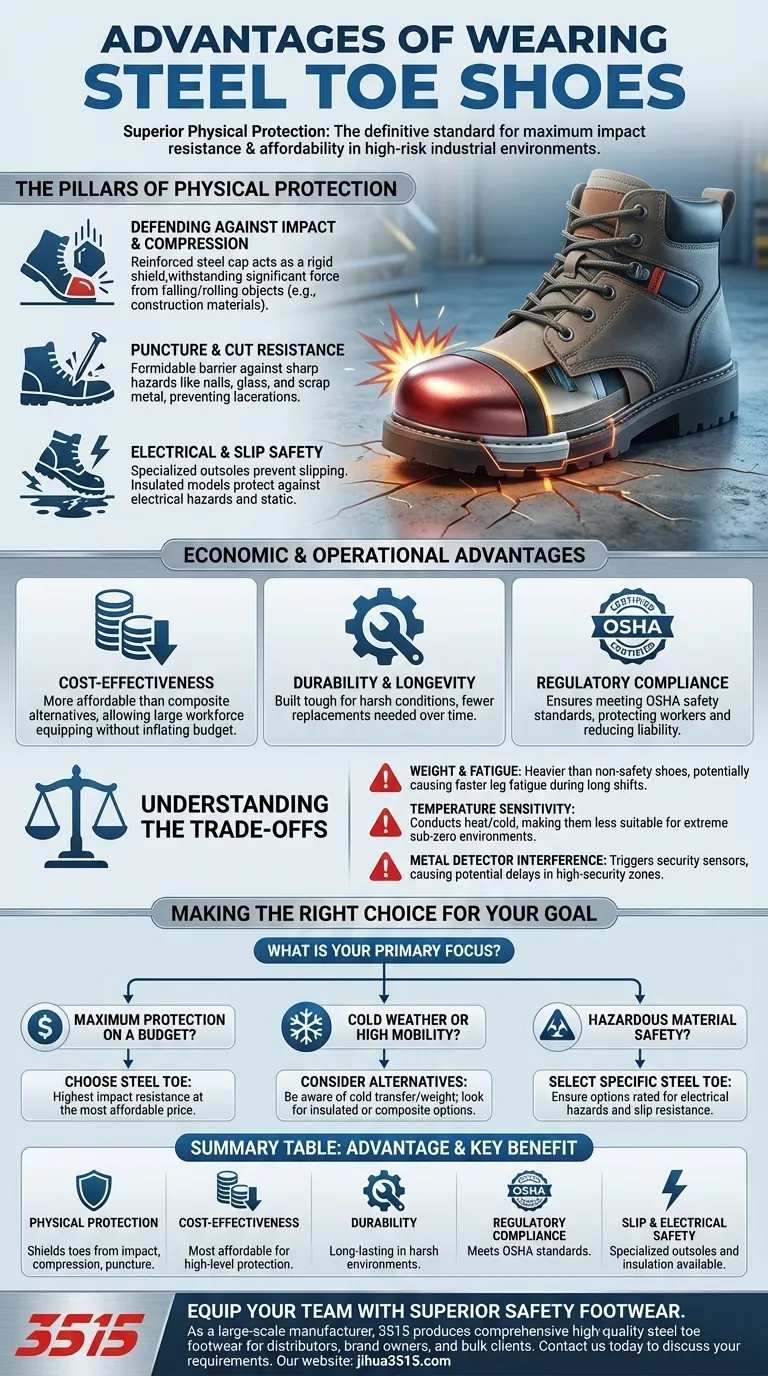
- If your primary focus is Maximum Protection on a Budget: Choose steel toe shoes for the highest level of impact resistance at the most affordable price point.
- If your primary focus is Cold Weather or High Mobility: Be aware that steel may transfer cold to your feet and cause fatigue due to weight; you may need to look for insulated models or alternative materials.
- If your primary focus is Hazardous Material Safety: Ensure you select steel toe options that are specifically rated for electrical hazards and slip resistance to cover all safety bases.
The right protective footwear is an investment in your physical longevity, turning a potentially career-ending accident into a minor incident.
Summary Table:
| Advantage | Key Benefit |
|---|---|
| Physical Protection | Shields toes from impact, compression, and puncture hazards. |
| Cost-Effectiveness | Most affordable option for high-level protection. |
| Durability | Long-lasting performance in harsh industrial environments. |
| Regulatory Compliance | Meets OSHA standards for workplace safety. |
| Slip & Electrical Safety | Specialized outsoles and insulation options available. |
Equip Your Team with Superior Safety Footwear
As a large-scale manufacturer, 3515 produces a comprehensive range of high-quality steel toe footwear for distributors, brand owners, and bulk clients. Our production capabilities encompass all types of safety shoes and boots, ensuring your workforce has the durable, compliant, and cost-effective protection they need.
Contact us today to discuss your requirements and discover how we can be your reliable partner in workplace safety.
Visual Guide
Related Products
- Durable Steel Toe Safety Boots Wholesale & Custom Manufacturing
- Wholesale Mesh Steel Toe Safety Shoes with Dial Closure Factory Production
- Wholesale Safety Footwear Manufacturer for Bulk & Custom OEM Orders
- Durable Leather Safety Boots for Wholesale & Custom OEM Manufacturing
- Premium Wheat Nubuck Safety Shoes for Bulk Distribution
People Also Ask
- Why are industrial safety boots with steel toes necessary for machine operators? Essential Foot Protection for Safety
- Why is it mandatory to wear safety shoes with steel toe protection during metal loading? Prevent Crushing Injuries
- What are the main materials used in steel toe safety shoes? A Guide to Protective Footwear Construction
- What are the characteristics of steel toe safety boots? Maximum Protection, Key Trade-offs
- Is it true that steel toes can cause toes to get cut off? Debunking the Dangerous Myth