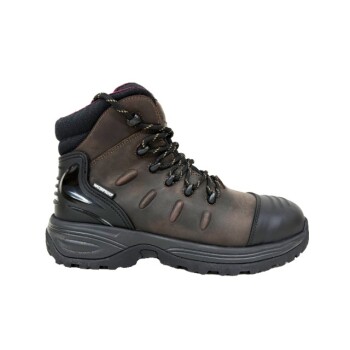
For men's gardening boots, options range from lightweight, waterproof ankle boots designed for mobility to tall, reinforced models built for protection on rough terrain. Key models include the lighter Country Cross Bottillon and Sabottin for general tasks, and the rugged Chasseur, which uses aramid fibers for enhanced leg protection in demanding environments.
The best gardening boot isn't a single model but a specific choice that matches the boot's material, height, and level of reinforcement directly to the terrain and tasks you face in your garden.
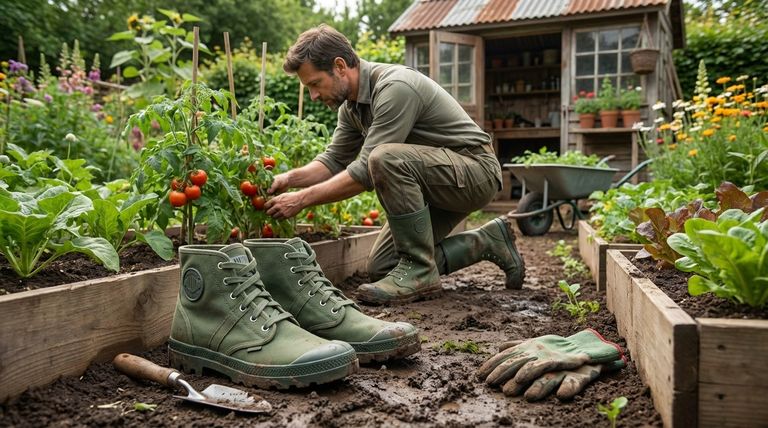
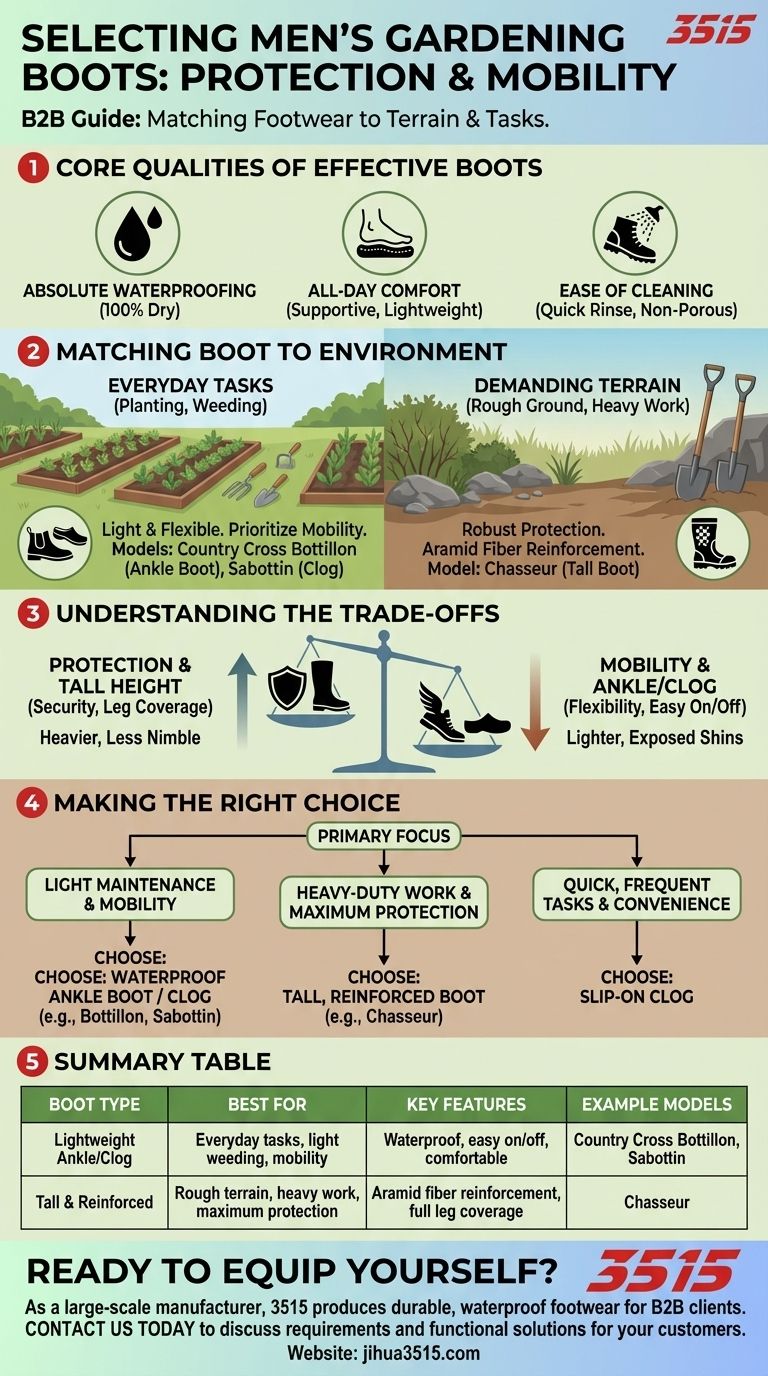
Core Qualities of an Effective Gardening Boot
Before selecting a specific style, it's critical to understand the non-negotiable features that define a high-quality, functional gardening boot.
Absolute Waterproofing
Your boots must be 100% waterproof. Gardens are inherently wet environments, from morning dew to watering and mud. Natural rubber is the ideal material as it provides a complete barrier against moisture, keeping your feet dry and comfortable.
All-Day Comfort
Comfort is paramount for a tool you'll wear for hours. A good boot should offer support without being excessively heavy. Lighter models provide a less restrictive feel, encouraging longer periods of use without fatigue.
Ease of Cleaning
A boot's design should facilitate quick and easy cleaning. Smooth, non-porous surfaces like rubber allow you to simply rinse off mud and soil, preventing you from tracking debris indoors and saving time on maintenance.
Matching the Boot to Your Environment
The right choice depends entirely on the type of work you do. A boot designed for light weeding is fundamentally different from one needed for clearing thick brush.
For Everyday Garden Tasks
For most common activities like planting, weeding, or watering on prepared beds, a lighter and more flexible boot is ideal.
Models like the Country Cross Bottillon (an ankle boot) or the Sabottin (a clog-style shoe) prioritize a lighter feel and mobility. They provide essential waterproof protection without the bulk of a full-height boot.
For Demanding Terrain and Heavy Work
When your work involves rough, uneven ground, thick vegetation, or handling heavy tools, your needs shift from mobility to protection.
The Chasseur model is engineered for these conditions. It features reinforced aramid fibers, providing superior protection for your shins and calves against sharp branches, rocks, or accidental scrapes from tools.
Understanding the Trade-offs
Choosing a gardening boot involves balancing competing priorities. Understanding these trade-offs ensures you select a boot that serves your primary need without creating new frustrations.
Protection vs. Mobility
The fundamental trade-off is between robust protection and lightweight flexibility.
A heavily reinforced boot like the Chasseur offers maximum security for your legs but may feel heavier and less nimble. Conversely, a lighter ankle boot or clog is far more mobile but exposes your shins to potential hazards.
Boot Height: Ankle vs. Tall
The height of the boot is a crucial decision point. Short boots or clogs are exceptionally easy to slip on and off for quick trips into the garden and are cooler in warm weather.
Tall boots provide comprehensive protection from deep mud, puddles, and pests like ticks. They also shield your legs from scratches when working in dense foliage.
Making the Right Choice for Your Goal
Select your boot based on the most common challenge you face in your garden.
- If your primary focus is light maintenance and easy mobility: A waterproof ankle boot or clog like the Bottillon or Sabottin offers the best balance of protection and convenience.
- If your primary focus is heavy-duty work and maximum protection: A tall, reinforced boot featuring aramid fibers is the correct choice for navigating rough terrain safely.
- If your primary focus is convenience for quick, frequent tasks: A slip-on clog provides immediate waterproof functionality with zero hassle.
Choosing the right boot transforms gardening from a chore into a comfortable and safe pursuit.
Summary Table:
| Boot Type | Best For | Key Features | Example Models |
|---|---|---|---|
| Lightweight Ankle/Clog | Everyday tasks, light weeding, mobility | Waterproof, easy on/off, comfortable | Country Cross Bottillon, Sabottin |
| Tall & Reinforced | Rough terrain, heavy work, maximum protection | Aramid fiber reinforcement, full leg coverage | Chasseur |
Ready to equip yourself with the right gardening boots?
As a large-scale manufacturer, 3515 produces a comprehensive range of durable, waterproof footwear for distributors, brand owners, and bulk clients. Whether you need lightweight clogs for easy mobility or rugged, reinforced boots for demanding environments, our production capabilities cover all types of shoes and boots to meet your specific needs.
Contact us today to discuss your requirements and discover how we can provide high-quality, functional footwear for your customers.
Visual Guide
Related Products
- Wholesale Leather Ankle Boots with Lug Soles for Custom Brand Manufacturing
- Durable High-Ankle Tactical Boots Wholesale Manufacturer for Custom & Bulk Orders
- Wholesale Waterproof Tactical Boots Custom Suede & High-Traction Soles
- Wholesale Tactical Boots High-Traction & Reflective for Bulk & Brand Orders
- Wholesale Lightweight Tactical Boots with Dial Closure OEM & Bulk Orders
People Also Ask
- What is the difference between full-grain and top-grain leather? Premium Material Guide for Boot Manufacturers
- What are the key qualities of leather for work boots? Superior Durability, Breathability & Custom Fit
- What is the complete process for deep cleaning leather work boots? A Step-by-Step Guide to Preserve Your Investment
- What are the advantages of leather uppers in work boots? Unmatched Durability & Protection
- How should new leather work boots be broken in? A Guide to Comfort and Durability