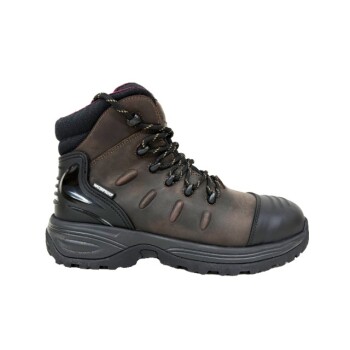
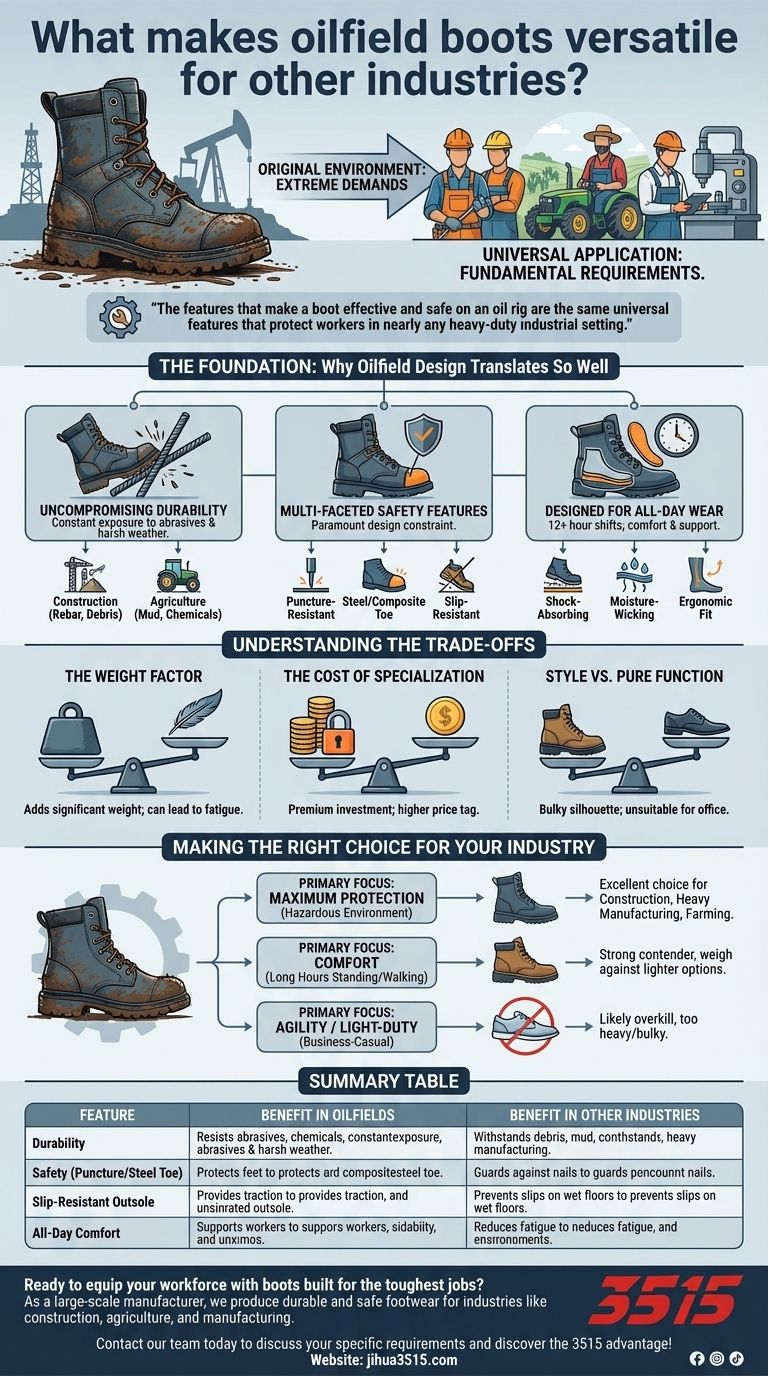
The versatility of oilfield boots stems directly from the extreme demands of their original environment. Their core design principles—robust construction, comprehensive safety features, and all-day comfort—are not exclusive to oilfields but are fundamental requirements for most demanding manual labor industries, including construction, agriculture, and manufacturing.
The features that make a boot effective and safe on an oil rig are the same universal features that protect workers in nearly any heavy-duty industrial setting. The boot's versatility isn't an accident; it's a byproduct of solving for a worst-case scenario environment.
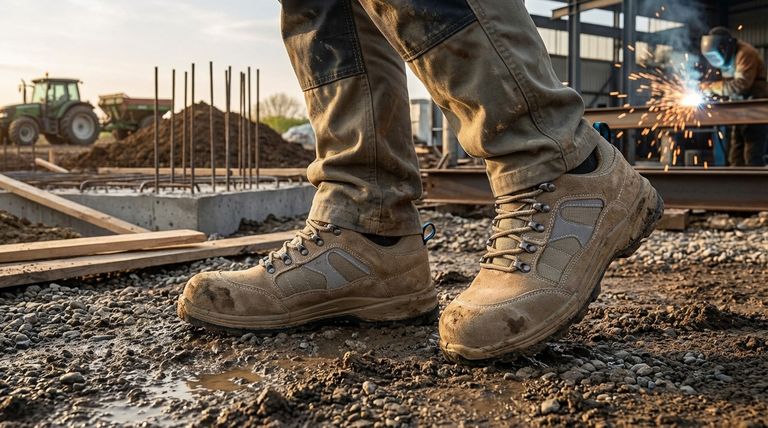
The Foundation: Why Oilfield Design Translates So Well
The oil and gas industry presents a unique combination of hazards: heavy machinery, slick surfaces, chemical exposure, and long hours on your feet. Boots engineered to handle this trifecta of risk are inherently over-engineered for less severe, but still dangerous, work environments.
Uncompromising Durability
The constant exposure to abrasive materials, chemicals, and harsh weather on an oil rig demands a boot built to last. This ruggedness is a direct asset in other fields.
In construction, this translates to resistance against scrapes from rebar, concrete, and debris. For agriculture, it means withstanding the corrosive effects of mud, water, and fertilizers.
Multi-Faceted Safety Features
Safety is the paramount design constraint for oilfield boots. These features create a protective shield that is valuable across many industries.
This includes puncture-resistant soles to guard against nails on a construction site, steel or composite toes to protect from falling tools in a factory, and slip-resistant outsoles that provide critical traction on wet floors in manufacturing or muddy fields in farming.
Designed for All-Day Wear
Workers in the oil and gas industry often work 12-hour shifts or longer. This has forced manufacturers to prioritize comfort and support to prevent fatigue and injury.
Features like shock-absorbing insoles, moisture-wicking liners, and an ergonomic fit are just as critical for a farmer walking miles a day or a factory worker standing on concrete for an entire shift.
Understanding the Trade-offs
While highly versatile, oilfield boots are not a universal solution. Their specialized design comes with specific considerations that may not be ideal for every situation.
The Weight Factor
The same features that provide maximum protection, such as thick leather, steel shanks, and heavy-duty soles, also add significant weight.
For jobs requiring constant agility or covering long distances on foot, this extra weight can lead to fatigue faster than a lighter, more specialized boot would.
The Cost of Specialization
Premium oilfield boots are an investment. The advanced materials and construction required to meet stringent safety standards often result in a higher price tag.
If your work environment only presents a single type of hazard (e.g., only slip risk, with no impact danger), a more targeted and potentially less expensive boot might be a more efficient choice.
Style vs. Pure Function
Oilfield boots are purpose-built for function, not fashion. Their bulky silhouette and emphasis on protection make them unsuitable for business-casual or office environments where appearance is a key consideration.
Unlike a more aesthetically versatile boot like a desert boot, an oilfield boot is unmistakably a piece of heavy-duty personal protective equipment (PPE).
Making the Right Choice for Your Industry
The decision to use an oilfield boot in another industry comes down to a simple risk assessment of your daily environment.
- If your primary focus is maximum protection in a hazardous environment: Oilfield boots are an excellent, multi-purpose choice for construction, heavy manufacturing, or farming.
- If your primary focus is comfort for long hours of standing or walking: The support and cushioning in many oilfield boots make them a strong contender, but weigh them against lighter-duty options.
- If your primary focus is agility, light-duty work, or a business-casual setting: An oilfield boot is likely overkill and will be too heavy and bulky for your needs.
Ultimately, the right boot is the one that meets the specific demands of your job with the highest degree of safety and comfort.
Summary Table:
| Feature | Benefit in Oilfields | Benefit in Other Industries |
|---|---|---|
| Durability | Resists abrasives, chemicals, harsh weather. | Withstands debris, mud, and corrosive materials on construction sites and farms. |
| Safety (Puncture/Steel Toe) | Protects feet from heavy equipment and sharp objects. | Guards against nails, falling tools, and hazards in factories and workshops. |
| Slip-Resistant Outsole | Provides traction on slick, oily surfaces. | Prevents slips on wet floors, muddy fields, and uneven terrain. |
| All-Day Comfort | Supports workers during long 12+ hour shifts. | Reduces fatigue for standing/walking jobs in manufacturing and agriculture. |
Ready to equip your workforce with boots built for the toughest jobs?
As a large-scale manufacturer, 3515 produces a comprehensive range of durable and safe footwear for distributors, brand owners, and bulk clients. Our production capabilities encompass all types of safety boots and work shoes, designed to meet the demanding needs of industries like construction, agriculture, and manufacturing.
Let us provide you with reliable PPE that combines maximum protection with all-day comfort. Contact our team today to discuss your specific requirements and discover the 3515 advantage!
Visual Guide
Related Products
- Premium Oil Wax Leather Safety Boots for Bulk Purchase
- Durable Military Combat Boots with Water Drainage for Wholesale & OEM
- Premium Waterproof High-Cut Industrial Safety Boots for Wholesale and Bulk Orders
- Wholesale Lightweight Tactical Boots Custom Manufacturer for Desert & Combat Use
- High-Traction Suede Tactical Boots Wholesale & Custom Manufacturing
People Also Ask
- What materials are commonly used for outsoles in safety boots? A Guide to Durability, Grip, and Comfort
- How do safety boots reduce cutting hazards? Essential Protection for Your Workforce
- What are the common types of safety boots and their primary uses? A Guide to Industrial Footwear
- Which organizations develop safety standards for work boots? Ensure Compliance & Worker Safety
- What primary protective functions do professional safety boots provide in urban solid waste recovery and waste picking processes? Discover Dual-Layer Protection.