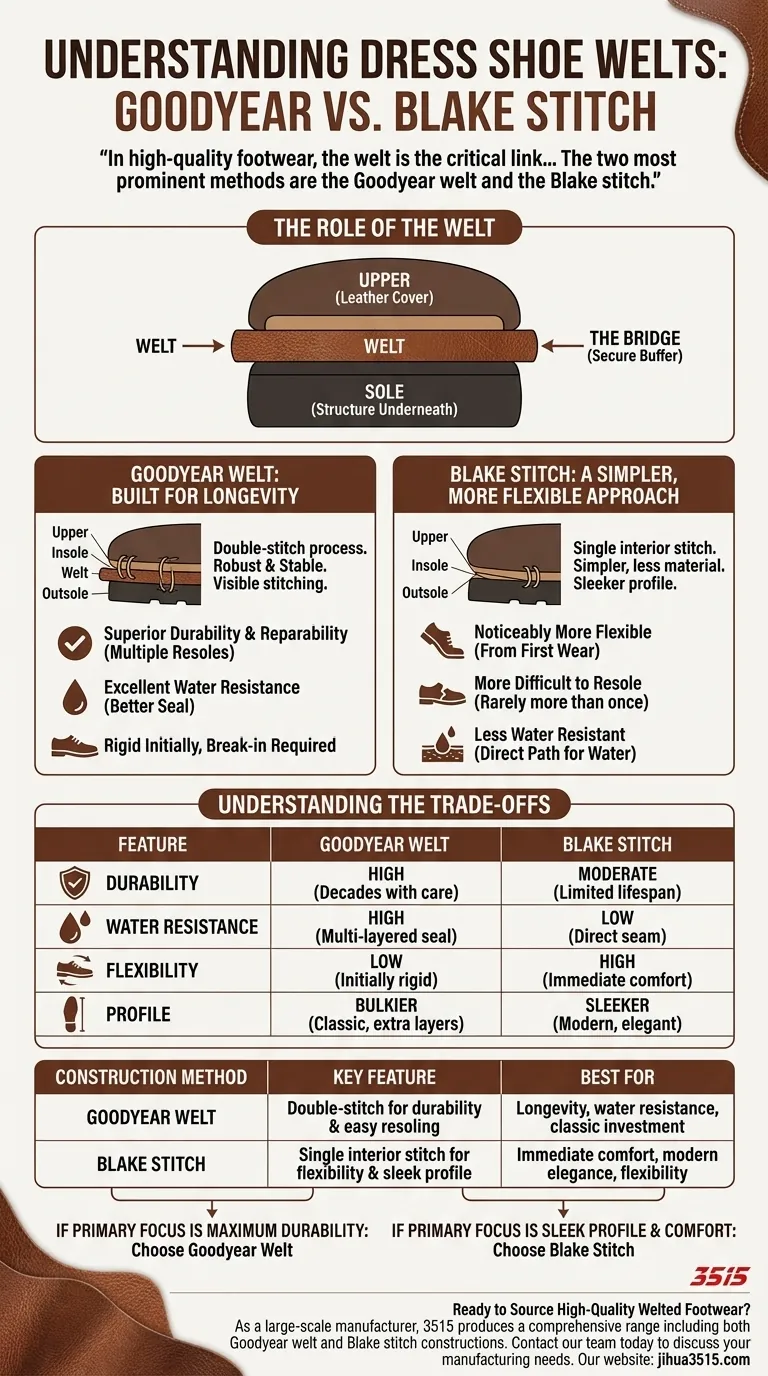
In high-quality footwear, the welt is the critical link that holds the entire shoe together. It is a strip of leather that runs along the perimeter of the outsole, connecting it to the upper part of the shoe. The two most prominent methods for achieving this are the Goodyear welt, known for its durability and ease of repair, and the Blake stitch, a simpler construction that offers greater flexibility.
Choosing a dress shoe isn't just about leather or style; the construction method fundamentally dictates the shoe's longevity, water resistance, and reparability over its entire lifespan.
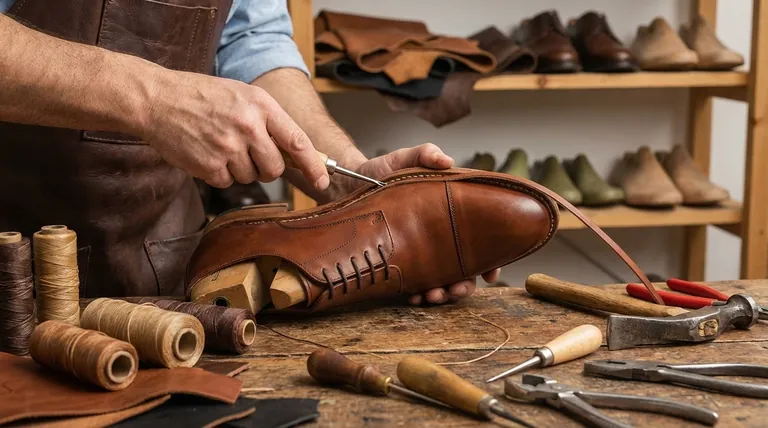
The Role of the Welt in Shoe Construction
To understand the welt, you first need to see the shoe as two primary parts. This basic anatomy is the foundation for all construction methods.
The Upper and the Sole
A dress shoe is divided into the upper, which includes all the material that covers the top of your foot, and the sole, which is the entire structure underneath your foot. The challenge for shoemakers is to join these two parts in a way that is both durable and secure.
The Welt as the Bridge
The welt is a dedicated strip of leather, often about one centimeter wide, that acts as a bridge between the upper and the outsole. It creates a secure buffer, allowing the sole to be attached without directly compromising the upper.
Deconstructing the Two Primary Methods
While there are many ways to make a shoe, the Goodyear welt and the Blake stitch represent the two dominant philosophies in premium dress shoe construction.
The Goodyear Welt: Built for Longevity
The Goodyear welt method involves a complex double-stitch process. First, the upper and insole are stitched to the welt. Then, in a separate stitch, the welt is attached to the outsole.
This creates a highly robust and stable structure. You can often identify a Goodyear-welted shoe by the visible line of stitching running around the outer edge of the sole.
The Blake Stitch: A Simpler, More Flexible Approach
The Blake stitch method uses a single interior stitch to directly attach the outsole to the insole and the upper. This process is simpler and requires less material than a Goodyear welt.
This direct connection results in a shoe that is noticeably more flexible right out of the box and allows for a sleeker, closer-trimmed sole profile.
Understanding the Trade-offs
Neither method is inherently superior; they simply prioritize different attributes. Understanding these differences is key to choosing the right shoe for your purpose.
Durability and Reparability
A Goodyear-welted shoe is the clear winner for longevity. Because the outsole is stitched to the welt and not the upper, a cobbler can easily remove the old sole and stitch on a new one multiple times, dramatically extending the shoe's life.
Blake-stitched shoes are much more difficult to resole. The interior stitch requires specialized machinery, and the process can damage the insole, meaning they can rarely be resoled more than once, if at all.
Water Resistance
The Goodyear welt's multi-layered construction and external stitching provide superior water resistance. The welt creates a much better seal against the elements, keeping your feet drier.
With a Blake stitch, the direct connection from the outsole to the insole provides a more direct path for water to seep into the shoe.
Flexibility and Profile
Blake-stitched shoes are far more flexible from the first wear and can be crafted with a very sleek, elegant profile. This makes them an excellent choice for a more formal, streamlined aesthetic.
Goodyear-welted shoes are more rigid initially and have a slightly bulkier silhouette due to the extra layers. They require a break-in period but eventually mold to the wearer's foot.
Making the Right Choice for Your Needs
Choosing between these methods depends entirely on what you value most in a dress shoe.
- If your primary focus is maximum durability and longevity: Choose a Goodyear-welted shoe, as it is an investment built to be repaired and can last for decades with proper care.
- If your primary focus is a sleek profile and immediate comfort: A Blake-stitched shoe offers more flexibility and a closer-cut sole, making it ideal for a modern, elegant look.
Understanding a shoe's construction empowers you to invest in footwear that truly aligns with your long-term goals.
Summary Table:
| Construction Method | Key Feature | Best For |
|---|---|---|
| Goodyear Welt | Double-stitch for durability & easy resoling | Longevity, water resistance, classic investment |
| Blake Stitch | Single interior stitch for flexibility & sleek profile | Immediate comfort, modern elegance, flexibility |
Ready to Source High-Quality Welted Footwear?
As a large-scale manufacturer, 3515 produces a comprehensive range of footwear for distributors, brand owners, and bulk clients. Our production capabilities encompass all types of shoes and boots, including both durable Goodyear welt and sleek Blake stitch constructions.
We can help you deliver the perfect balance of style, comfort, and longevity to your customers. Contact our team today to discuss your manufacturing needs.
Visual Guide
Related Products
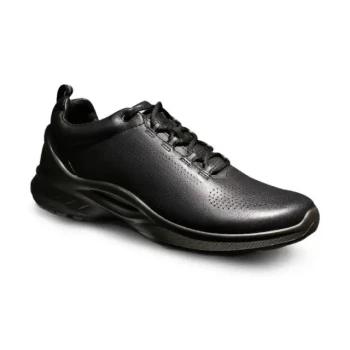
- Wholesale Comfort Dress Shoes with Dial Closure for Custom Manufacturing
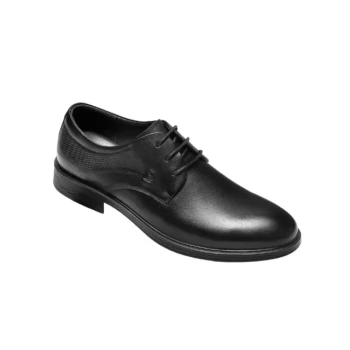
- Classic Leather Derby Dress Shoes Wholesale & Custom Manufacturing
- Wholesale Leather Derby Dress Shoes Custom Manufacturer for Brands
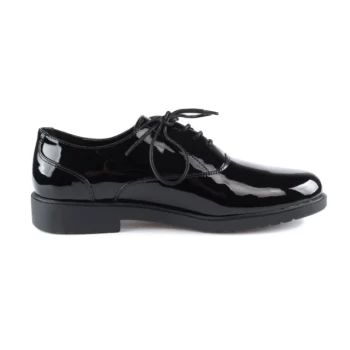
- Wholesale Patent Oxford Dress Shoes | Custom & Bulk Manufacturing
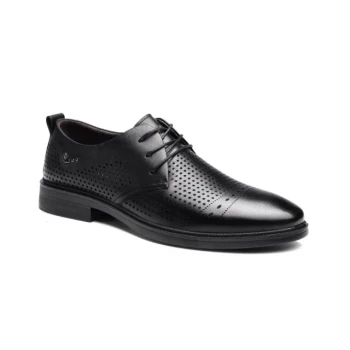
- Wholesale Perforated Comfort Dress Shoes | Custom Derby Shoe Manufacturer
People Also Ask
- How do comfort dress shoes differ from traditional dress shoes? Discover the Ergonomic Advantage
- Which dress shoe styles are suitable for wearing with jeans? A Guide to Smart-Casual Style
- What features make dress shoes suitable for standing all day? Achieve All-Day Comfort with Anatomical Design
- What are the benefits of resoling dress shoes? Extend Life & Boost Comfort
- What recent trends have influenced traditional dress shoe designs? The Shift to Modern Comfort