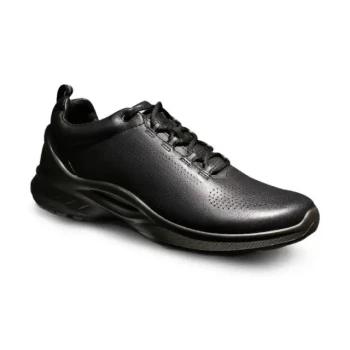
The technical significance of standardized walking shoes during a Six-Minute Walk Distance (6MWD) test is the elimination of mechanical variables that can distort clinical data. By mandating footwear with consistent grip, structural support, and weight, researchers ensure that the recorded distance reflects the patient's actual physiological endurance rather than the performance advantages of their specific shoes.
In rigorous clinical research, particularly for conditions like Late-Onset Pompe Disease (LOPD), footwear variability can introduce significant noise into the data. Standardized shoes act as a control mechanism, ensuring that changes in walking distance are attributed solely to the patient's functional capacity.
The Mechanics of Measurement Integrity
To understand the deep need for standardization, one must recognize that a walking test is a biomechanical assessment. If the equipment (the shoe) varies, the metric becomes unreliable.
Uniformity in Traction and Grip
Consistent grip is critical for efficient energy transfer from the foot to the floor.
If one patient wears worn-out sneakers and another wears high-traction athletic shoes, their walking efficiency differs regardless of their physical condition.
Standardized shoes ensure every participant interacts with the walking surface in the exact same way.
Controlling Structural Support
The level of structural support a shoe provides can alter a patient's gait stability.
High-stability shoes may mask balance issues or muscular weakness, while unsupportive shoes might exaggerate them.
By utilizing uniform footwear, you minimize the interference caused by these external mechanical aids, providing a clearer picture of the patient's natural gait and stability.
The Variable of Foot Weight
Uniform foot weight is perhaps the most quantifiable variable controlled by standardization.
A heavy boot acts as an ankle weight, increasing the metabolic cost of walking, while an ultralight running shoe decreases it.
Standardization ensures that every step taken requires a comparable amount of muscular effort across the entire patient population.
Understanding the Protocol Trade-offs
While standardization is essential for data integrity, it introduces specific constraints that must be managed.
Clinical Precision vs. Convenience
The primary trade-off is the logistical burden of providing specific footwear versus the ease of allowing patients to wear their own shoes.
However, in protocols for diseases like Late-Onset Pompe Disease (LOPD), the priority is strictly on isolating functional capacity.
Allowing personal footwear allows "varying shoe performance" to bleed into the results, rendering the data less reliable for detecting subtle changes in disease progression or treatment efficacy.
Ensuring Data Reliability in Your Study
When designing or executing a clinical protocol involving the 6MWD test, the choice of footwear strategy dictates the quality of your data.
- If your primary focus is Clinical Trial Integrity: Mandate standardized walking shoes to eliminate mechanical advantages and ensure that all data points are statistically comparable.
- If your primary focus is Longitudinal Patient Monitoring: Ensure the patient wears the exact same model of shoes for every visit to prevent footwear variability from masking or mimicking physiological changes.
True clinical insight comes from measuring the patient, not the equipment.
Summary Table:
| Feature Controlled | Impact on 6MWD Results | Technical Significance |
|---|---|---|
| Traction & Grip | Energy transfer efficiency | Eliminates surface interaction variables |
| Structural Support | Gait stability and balance | Prevents masking of muscular weakness |
| Foot Weight | Metabolic cost of walking | Ensures uniform muscular effort per step |
| Measurement Focus | Data noise reduction | Isolates physiological capacity from equipment |
Partner with 3515 for High-Precision Footwear Solutions
As a large-scale manufacturer serving global distributors and brand owners, 3515 provides the manufacturing excellence required to maintain consistency across large-scale projects. Our comprehensive production capabilities cover all footwear types, from our flagship Safety Shoes series to technical training shoes, sneakers, and tactical boots.
Whether you are supplying specialized footwear for clinical research, industrial safety, or uniform requirements, 3515 offers the scale and precision to meet your bulk needs. Our portfolio also includes high-quality Dress & Formal shoes to ensure a complete solution for your footwear inventory.
Ready to elevate your product standards? Contact us today to discuss your bulk manufacturing requirements and experience the value of 3515 quality.
References
- Kristl G. Claeys, Benedikt Schoser. Minimal clinically important differences in six-minute walking distance in late-onset Pompe disease. DOI: 10.1186/s13023-024-03156-3
This article is also based on technical information from 3515 Knowledge Base .
Related Products
- Durable Rubber Sole Outdoor Shoes Wholesale & Custom Manufacturing
- Wholesale Comfortable Business Casual Shoes Custom Manufacturing
- Premium KPU Athletic Safety Shoes for Wholesale
- Premium Lightweight Safety Shoes for Wholesale & Bulk Orders
- Premium Suede Sport Safety Shoes for Wholesale & Bulk Orders
People Also Ask
- What is the function of the sole in outdoor shoes? Find the Perfect Grip and Support
- What role do outdoor shoes and sneakers play in navigating external terrains? Engineered Stability for Every Surface
- How is AI utilized in the design of outdoor and safety footwear? Harnessing Big Data for Market-Driven Shoe Innovation
- Why is durability important when selecting outdoor shoes? A Guide to Safety & Long-Term Value
- What are the key components of outdoor shoes that affect comfort and sturdiness? A Guide to Durable, High-Performance Footwear