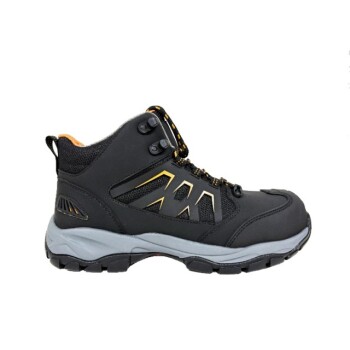
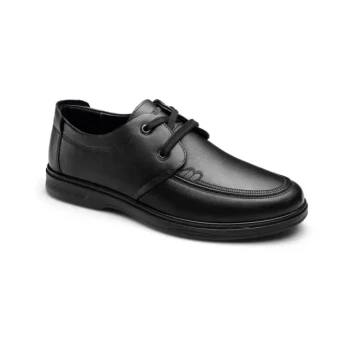
The primary significance of increased toe box width is that it allows footwear to mimic the natural anatomical shape of the human foot, rather than forcing the foot to conform to the shoe. This design provides the necessary volume for toe splay, which is the foundational requirement for mechanical stability and correct joint function during movement.
Core Takeaway: A wide toe box is a biomechanical necessity, not just a comfort feature. It enables the Windlass Mechanism—the foot's natural stabilizing process—to function correctly, thereby preventing structural deformities like hallux valgus and protecting long-term foot health.
The Biomechanics of Natural Movement
Mimicking Anatomical Shape
Most conventional footwear tapers at the front, compressing the toes. A healthy shoe design reverses this, offering a distinctively roomy and round shape. This allows the toes to spread out naturally upon impact, increasing the surface area for balance.
Activating the Windlass Mechanism
The most critical technical benefit of a wide toe box is the facilitation of the Windlass Mechanism. This is a mechanical process where the plantar fascia tightens to support the foot.
The Role of Metatarsophalangeal Joints
For the Windlass Mechanism to work, the metatarsophalangeal joints (the joints at the base of the toes) must be able to extend fully. When the toes have room to splay and extend, the medial longitudinal arch rises naturally. This transforms the foot into a rigid lever, capable of efficient propulsion.
Prevention of Foot Deformities
Avoiding Hallux Valgus
Narrow toe boxes force the big toe inward, disrupting natural alignment. Over time, this compression leads to hallux valgus, commonly known as bunions. An anatomically shaped toe box eliminates the lateral pressure that causes this structural shift.
Reducing Surface Friction
Beyond structural issues, a restrictive toe box increases friction between the toes and the shoe material. By increasing the volume in the forefoot, you reduce the rubbing that leads to painful calluses and blisters.
Understanding the Trade-offs
The Risk of Excessive Volume
While width is crucial, there is a distinction between "wide" and "loose." If a toe box is too voluminous without proper lockdown at the midfoot, the foot may slide forward. This instability can ironically lead to the same toe jamming and friction you are trying to avoid.
Aesthetic Considerations
Footwear that mimics natural anatomy often looks different from conventional fashion standards. The rounded, wider look is a functional requirement, but it may require an adjustment in aesthetic expectations for those used to tapered fashion shoes.
Making the Right Choice for Your Goal
To ensure healthy foot development, prioritize fit based on your specific needs:
- If your primary focus is Structural Health: Look for shoes that explicitly mention "anatomical toe boxes" to allow the Windlass Mechanism to stabilize your arch naturally.
- If your primary focus is Skin Protection: Ensure the shoe has a round profile to eliminate contact points that cause calluses, particularly for walking.
- If your primary focus is Deformity Prevention: Prioritize width at the metatarsophalangeal joints to prevent the onset of hallux valgus.
True foot health begins when the shoe allows the foot to function as if it were barefoot.
Summary Table:
| Key Feature | Functional Benefit | Health Outcome |
|---|---|---|
| Anatomical Shape | Facilitates natural toe splay | Improved balance and mechanical stability |
| Windlass Support | Enables plantar fascia tightening | Naturally rising arch and efficient propulsion |
| Lateral Room | Reduces metatarsal compression | Prevention of bunions (Hallux Valgus) |
| Increased Volume | Minimizes skin-to-material friction | Reduction of painful calluses and blisters |
Partner with 3515 for Anatomically Superior Footwear Solutions
As a premier large-scale manufacturer serving global distributors and brand owners, 3515 leverages decades of expertise to produce footwear that prioritizes both performance and foot health. Our comprehensive production capabilities allow us to integrate advanced features like anatomical toe boxes across our entire range—from our flagship Safety Shoes and tactical boots to outdoor, training, and professional dress shoes.
We provide brand owners with the manufacturing precision needed to deliver healthy, high-quality footwear in bulk. Elevate your product line with our industry-leading designs—contact our team today to discuss your production needs!
References
- Yuan Wang, Yaodong Gu. Understanding the Role of Children’s Footwear on Children’s Feet and Gait Development: A Systematic Scoping Review. DOI: 10.3390/healthcare11101418
This article is also based on technical information from 3515 Knowledge Base .
Related Products
- Wholesale Durable Safety Boots Manufacturer Customizable Steel Toe Work Boots
- Durable Steel Toe Safety Boots Wholesale & Custom Manufacturing
- Wholesale Customizable Safety Boots Durable & Protective Footwear Manufacturing
- Premium Sport Style Safety Boots for Bulk Orders
- Durable Leather Moc Toe Work Boots for Wholesale & Custom Manufacturing
People Also Ask
- What are the pros and cons of steel toe work boots? A Guide to Maximum Protection vs. Comfort
- What are the different types of steel toe work boots? Choose the Right Boot for Your Job
- What is the history of steel toe work boots? From German Invention to Modern Safety Standard
- How much weight can steel toe work boots withstand? Unpacking the 3,372 lb. Safety Standard
- What are some common myths about steel toe work boots? Debunked for Modern Workers