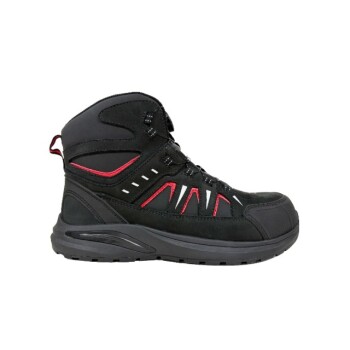
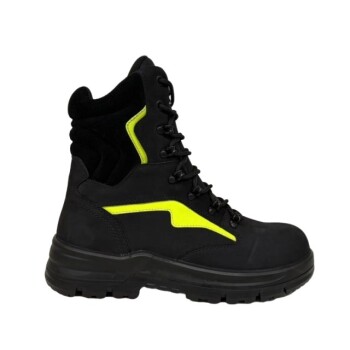
Contrary to outdated beliefs, modern steel toe boots are not the uncomfortable, clumsy footwear of the past. The most common myths—that they are inherently uncomfortable, exclusively for men, and cause foot problems—stem from early designs and have been largely resolved by modern ergonomic construction, advanced materials, and a focus on proper fit.
The decision to wear steel toe boots shouldn't be based on decades-old myths. Instead, it requires understanding their specific, modern trade-offs: they offer maximum physical protection at the cost of being heavier and more sensitive to temperature than newer alternatives.
Debunking the Core Myths
The reputation of steel toe boots is often tied to historical designs. Decades of innovation in materials science and ergonomics have fundamentally changed the reality of wearing them.
Myth #1: They Are Always Uncomfortable
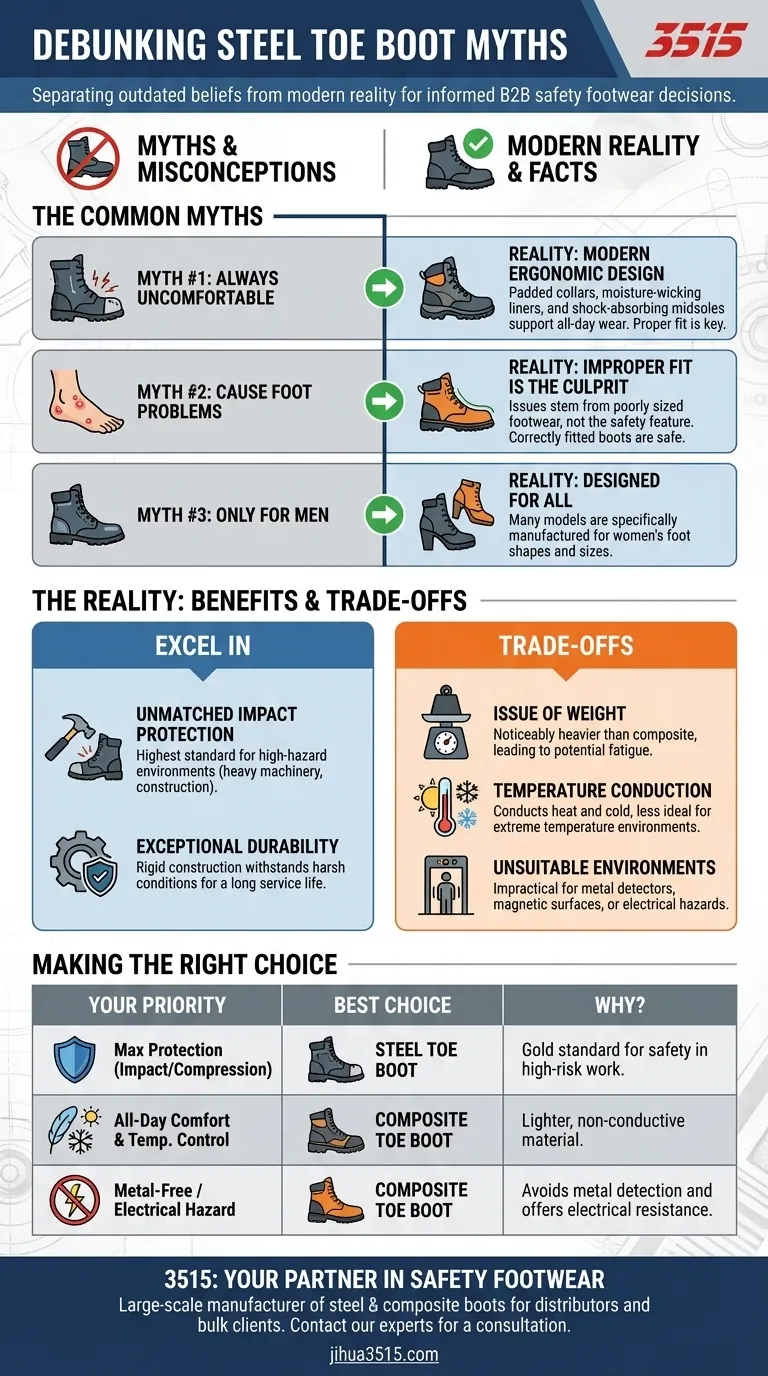
Modern steel toe boots are engineered for comfort. Manufacturers now incorporate features like padded collars, moisture-wicking liners, and shock-absorbing midsoles to support all-day wear.
The key to comfort is not the steel cap itself, but the proper fit of the entire boot. A correctly sized boot will prevent the steel toe from rubbing or pinching your foot.
Myth #2: They Cause Long-Term Foot Problems
Foot issues like blisters or deformities are caused by improperly fitted footwear, not by a specific safety feature.
A well-fitted steel toe boot that provides adequate room in the toe box will protect your feet without causing harm. In fact, many models offer a roomier fit than their composite counterparts.
Myth #3: Safety Boots Are Only for Men
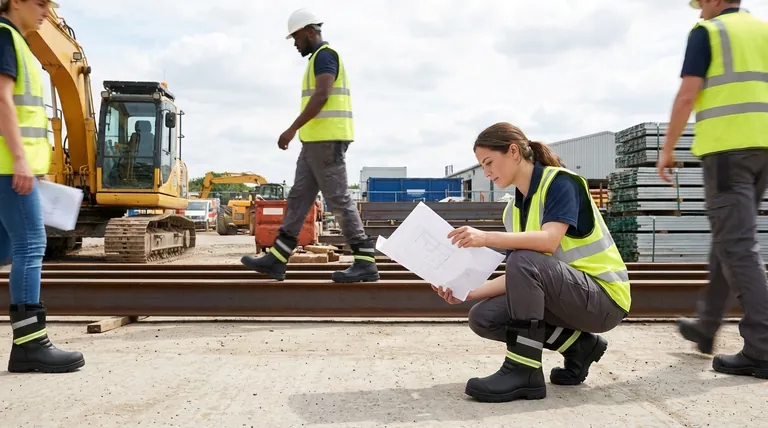
This is entirely false. A wide variety of steel toe work boots are designed and manufactured specifically for women, accommodating differences in foot shape and size to ensure a secure and comfortable fit.
The Reality: Where Steel Toes Excel
While the myths are largely untrue, the core benefits of steel toe boots remain their primary selling point. They are the classic choice for a reason.
Unmatched Impact Protection
Steel caps provide the highest available standard for both impact and compression resistance. This makes them essential for high-hazard environments.
Industries involving heavy machinery, construction, farming, or disaster relief often mandate this level of protection against falling objects or crushing forces.
Exceptional Durability
The rigid and robust construction of steel toe boots makes them incredibly durable. They are built to withstand the harshest working conditions, offering a long service life and making them a cost-effective choice.
Understanding the Trade-offs
Being a trusted advisor means acknowledging the genuine downsides. Choosing the right boot requires understanding where steel toes fall short compared to other options like composite toes.
The Issue of Weight
There's no myth here: steel is heavy. Steel toe boots are noticeably heavier than composite or alloy toe alternatives, which can lead to fatigue over a long shift.
Temperature Conduction
Because metal is a conductor, steel toe caps will get cold in cold weather and hot in hot weather. This makes them less ideal for work in extreme temperature environments.
Unsuitability for Certain Environments
The steel component makes these boots impractical for job sites with metal detectors or powerful magnetic surfaces. They are also not the primary choice for protection against electrical hazards.
Making the Right Choice for Your Work
Selecting the right safety boot is about matching its specific characteristics to your job's demands.
- If your primary focus is maximum protection from heavy impact or compression: Steel toe boots offer the gold standard in safety and are the most reliable choice for high-risk industrial or construction work.
- If your primary focus is all-day comfort in variable temperatures: A composite toe boot might be a better option, as it is lighter and does not conduct heat or cold.
- If your primary focus is working around metal detectors or electrical hazards: You should avoid steel toes and look specifically for composite toe boots rated for your environment.
By moving past the myths and focusing on the facts, you can confidently choose the protection that truly fits your needs.
Summary Table:
| Myth | Reality |
|---|---|
| Always Uncomfortable | Modern designs feature ergonomic fits, padded collars, and shock absorption for all-day wear. |
| Cause Foot Problems | Issues stem from improper fit, not the steel toe. A well-fitted boot with a roomy toe box is safe. |
| Only for Men | Many models are specifically designed for women's foot shapes and sizes. |
| No Downsides | Trade-offs: Heavier than composite toes, conducts temperature, not for metal detector sites. |
Ready to find the perfect steel toe boot for your workforce?
As a large-scale manufacturer, 3515 produces a comprehensive range of safety footwear for distributors, brand owners, and bulk clients. Our production capabilities encompass all types of steel toe and composite toe boots, engineered for maximum protection, modern comfort, and long-lasting durability.
Let us help you equip your team with the right safety solution. Contact our experts today for a consultation and quote.
Visual Guide
Related Products
- Wholesale Durable 6-Inch Work Boots | Custom & Private Label Manufacturer
- Wholesale Durable Safety Boots Manufacturer Customizable Steel Toe Work Boots
- Wholesale Durable Breathable Safety Boots Custom OEM Manufacturer
- Wholesale Heavy-Duty Waterproof Steel Toe Work Boots OEM Manufacturer
- Durable Steel Toe Safety Boots Wholesale & Custom Manufacturing
People Also Ask
- What are the pros and cons of steel toe work boots? A Guide to Maximum Protection vs. Comfort
- What is the history of steel toe work boots? From German Invention to Modern Safety Standard
- What are the different types of steel toe work boots? Choose the Right Boot for Your Job
- How much weight can steel toe work boots withstand? Unpacking the 3,372 lb. Safety Standard
- Is there any truth to the myth about steel toe boots causing toe injuries upon impact? Debunking Common Safety Concerns