
The primary purpose of rubber compounding in gumboot production is to transform raw rubber into a specialized material with specific, engineered properties. This process involves precisely blending the base rubber with a variety of additives to control the final boot's durability, flexibility, color, and resistance to environmental factors.
The core takeaway is that compounding is not just an optional step; it is the fundamental process that determines a gumboot's performance and suitability for its intended purpose, whether for heavy industry, agriculture, or daily wear.
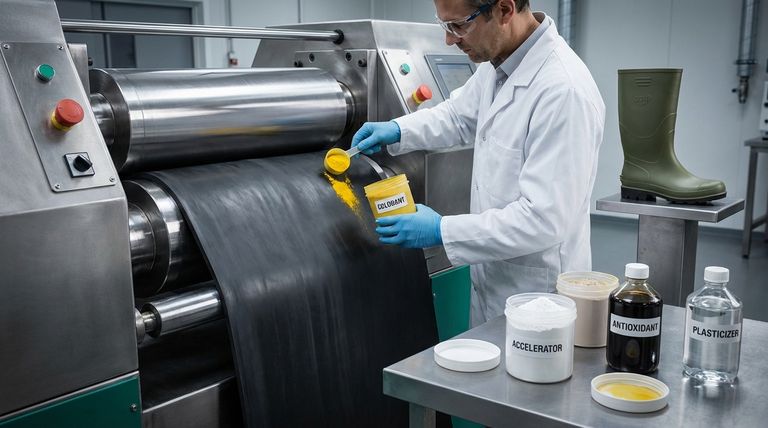
The Role of Compounding in Material Engineering
Raw natural or synthetic rubber lacks the necessary properties for a durable and functional product like a gumboot. Compounding is the material science that turns this base polymer into a high-performance material.
Starting with the Base Rubber
The foundation of any gumboot is the rubber itself, which can be natural or a synthetic blend. This base material provides the inherent elasticity and waterproof nature of the boot.
Introducing Key Additives
The "magic" happens when specific additives are mixed into the rubber in a process called compounding. Each ingredient has a distinct role in modifying the final material.
Accelerators for Curing
Accelerators are chemicals that speed up the vulcanization (curing) process. This crucial step creates strong cross-links between rubber molecules, transforming the soft, sticky raw material into a tough, elastic, and durable final product.
Antioxidants for Longevity
Antioxidants and antiozonants are added to protect the rubber from degradation. They combat the damaging effects of oxygen, UV radiation from sunlight, and ozone, preventing the boots from becoming brittle and cracked over time.
Plasticizers for Flexibility
Plasticizers are substances that increase the flexibility and softness of the rubber compound. This makes the gumboots more comfortable to wear and walk in, reducing stiffness, especially in cold temperatures.
Pigments for Aesthetics and Function
Color pigments provide the final color of the gumboot. Beyond simple aesthetics for fashion purposes, specific colors can also serve as safety indicators in industrial environments (e.g., bright yellow or orange for high visibility).
Understanding the Trade-offs
The compounding formula is a balancing act. Adjusting the "recipe" to enhance one property can often compromise another, creating critical trade-offs.
Flexibility vs. Durability
Increasing the amount of plasticizer makes a boot more flexible and comfortable. However, an excess can potentially reduce the material's overall abrasion and chemical resistance, making it less suitable for harsh industrial settings.
Cost vs. Performance
High-performance additives, such as advanced antioxidants or specialized chemical-resistant fillers, significantly increase the final cost of the gumboot. Manufacturers must balance the desired performance characteristics with the target price point for the intended market.
Making the Right Choice for Your Goal
Understanding the basics of compounding empowers you to select a boot that is truly fit for its purpose.
- If your primary focus is industrial safety: Look for boots specified with high resistance to chemicals, oils, and abrasion, indicating a compound engineered for maximum durability.
- If your primary focus is agricultural work: You need a balance of durability, flexibility for all-day comfort, and excellent waterproofing, which comes from a well-formulated compound using quality plasticizers and antioxidants.
- If your primary focus is fashion or casual wear: The compound will likely prioritize vibrant color pigments and a higher level of plasticizers for a softer, more comfortable feel over extreme durability.
Ultimately, the compounding process is what ensures your gumboot is not just a piece of rubber, but a precisely engineered tool for your specific needs.
Summary Table:
| Additive | Primary Function | Impact on Gumboot |
|---|---|---|
| Accelerators | Speed up vulcanization (curing) | Creates a tough, elastic, and durable final product. |
| Antioxidants | Protect against oxygen, UV, and ozone | Prevents cracking and brittleness, extending boot life. |
| Plasticizers | Increase flexibility and softness | Enhances comfort and reduces stiffness, especially in cold weather. |
| Pigments | Provide color and visibility | Offers aesthetic appeal and safety features for different work environments. |
Need Gumboots Engineered for Your Specific Application?
As a large-scale manufacturer, 3515 produces a comprehensive range of high-performance footwear for distributors, brand owners, and bulk clients. Our expertise in rubber compounding allows us to precisely engineer gumboots for any need—from heavy-duty industrial safety to comfortable agricultural work and vibrant fashion lines.
We ensure your boots are built to last with the right balance of:
- Durability & Chemical Resistance for industrial settings.
- Flexibility & Comfort for all-day wear in agriculture.
- Vibrant Colors & Softness for the fashion and casual markets.
Let us create the perfect gumboot for your customers. Contact our team today to discuss your requirements and get a quote!
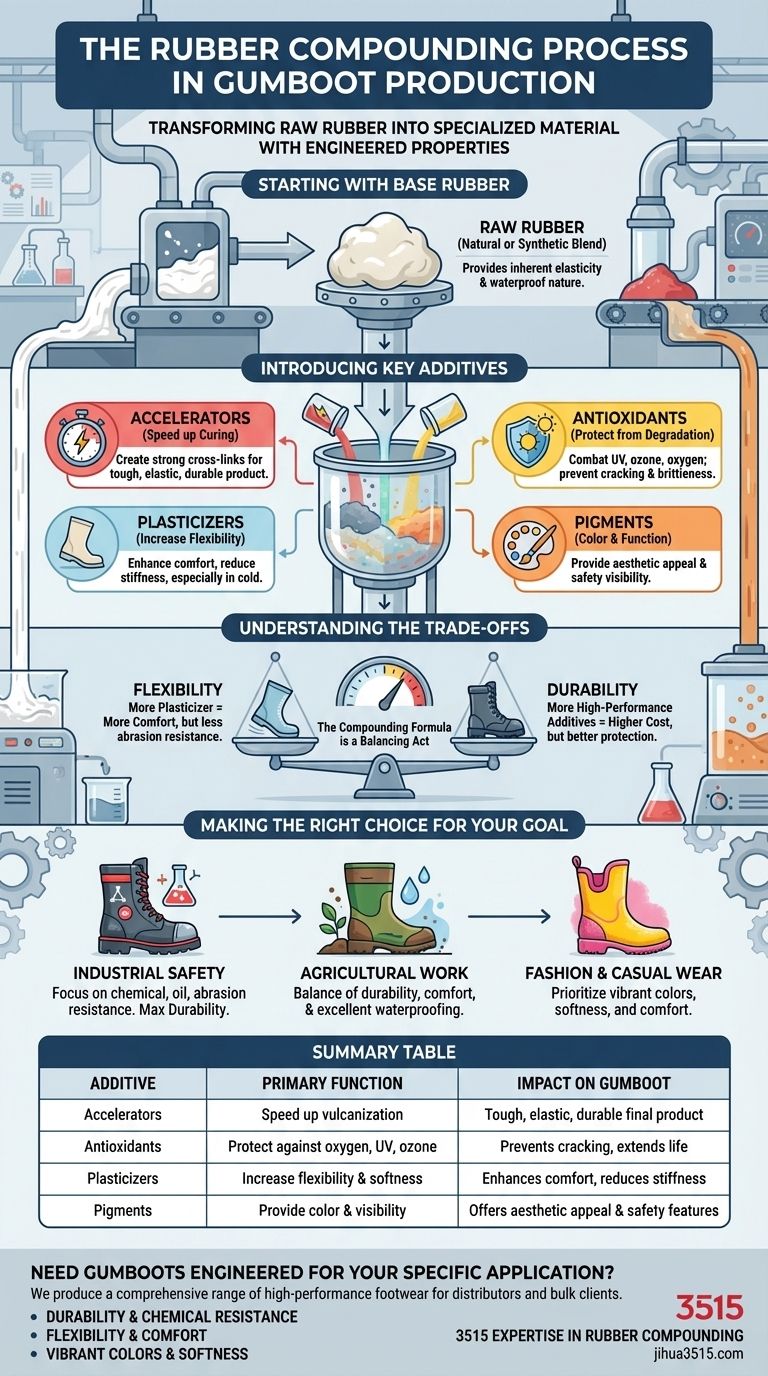
Visual Guide
Related Products
People Also Ask
- What is the function of the sole in outdoor shoes? Find the Perfect Grip and Support
- What role do outdoor shoes and sneakers play in navigating external terrains? Engineered Stability for Every Surface
- How is AI utilized in the design of outdoor and safety footwear? Harnessing Big Data for Market-Driven Shoe Innovation
- Why is durability important when selecting outdoor shoes? A Guide to Safety & Long-Term Value
- What are the key components of outdoor shoes that affect comfort and sturdiness? A Guide to Durable, High-Performance Footwear
