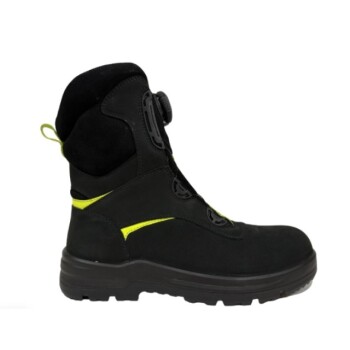
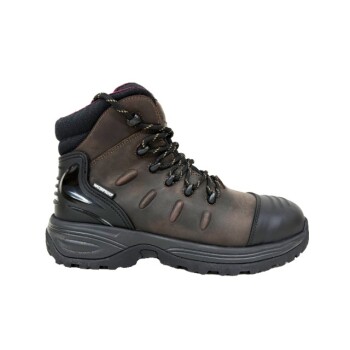
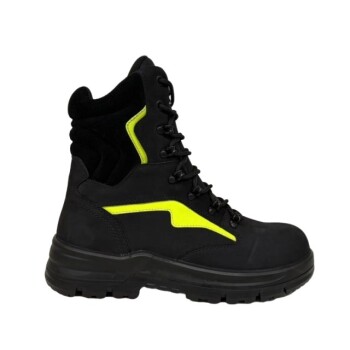
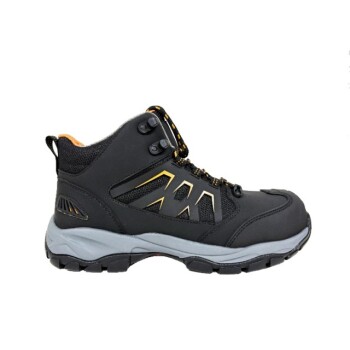
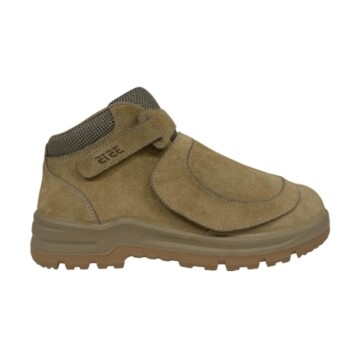
The primary protective functions of professional Safety Boots in automotive maintenance revolve around three critical defensive layers: impact resistance, traction control, and puncture prevention. These specialized boots utilize integrated toe caps to deflect falling heavy components, slip-resistant outsoles to navigate oily floors, and reinforced soles to block sharp debris from penetrating the foot.
In an automotive workshop, the floor is often a hazardous mix of slick fluids, heavy parts, and sharp metal. Professional Safety Boots act as an essential piece of personal protective equipment (PPE), providing the necessary stability and physical armor to prevent debilitating injuries in this complex environment.
Mitigating Impact and Crushing Hazards
The Role of Impact-Resistant Toe Caps
Automotive repair involves constant interaction with heavy vehicle components, such as brake calipers, alternators, and transmission parts.
Impact-resistant toe caps are the first line of defense against these objects. If a heavy part is dropped, the rigid cap absorbs the energy, preventing crushing injuries to the toes and feet.
Ensuring Stability on Contaminated Surfaces
Combatting Fluid Hazards
Workshop floors are rarely clean; they are frequently contaminated with engine oil, hydraulic fluid, and fuel leaks.
Without proper footwear, these fluids create a dangerously low-friction surface that significantly increases the risk of slip-and-fall accidents.
Slip-Resistant Outsoles
Professional Safety Boots are engineered with slip-resistant outsoles.
These soles are designed with specific tread patterns and materials that cut through surface fluids to grip the floor, providing traction even in the presence of slick automotive lubricants.
Protection Against Sharp Debris
The Danger of Floor-Level Hazards
A mechanic's workspace is often littered with sharp metal fragments, discarded fasteners, and occasionally dropped hand tools.
Standard footwear offers little resistance to these sharp objects, risking severe lacerations or puncture wounds to the sole of the foot.
Reinforced Sole Barriers
To counter this, Safety Boots feature reinforced soles that act as a puncture-resistant barrier.
This dense layer prevents sharp metal shards and tools from penetrating the bottom of the boot, keeping the mechanic's feet secure against unseen threats on the ground.
Understanding the Trade-offs
Weight vs. Agility
While the protective features of Safety Boots are non-negotiable for safety, they introduce a distinct trade-off regarding weight.
The materials required for impact-resistant caps and reinforced soles generally make these boots heavier than standard footwear. This added weight can lead to increased leg fatigue during long shifts compared to lighter, non-protective shoes.
Making the Right Choice for Your Environment
Selecting the correct footwear depends on the specific risks most prevalent in your daily operations.
- If your primary focus is heavy engine or suspension work: Prioritize boots with high-grade impact-resistant toe caps to mitigate the risk of dropping heavy components.
- If your primary focus is fluid changes and general maintenance: Ensure your selection features superior slip-resistant outsoles to maintain stability around oil and coolant spills.
- If your primary focus is fabrication or bodywork: Look for boots with highly rated puncture-resistant soles to protect against metal shavings and sharp scraps.
By matching the boot's protective features to the specific hazards of the garage, you ensure maximum safety without compromising performance.
Summary Table:
| Feature | Protective Function | Primary Hazard Addressed |
|---|---|---|
| Impact-Resistant Toe Cap | Absorbs kinetic energy | Falling heavy parts (alternators, calipers) |
| Slip-Resistant Outsole | Increases traction/grip | Oily or fluid-contaminated workshop floors |
| Reinforced Midsole | Puncture-resistant barrier | Metal shards, fasteners, and sharp debris |
| Industrial Materials | Durability & Stability | Overall foot fatigue and chemical exposure |
Partner with 3515 for High-Performance Industrial Footwear
As a premier large-scale manufacturer serving global distributors and brand owners, 3515 delivers the durability and safety your clients demand. Our flagship Safety Shoes series is specifically engineered for high-risk environments like automotive maintenance, offering superior impact protection and slip resistance.
Beyond safety boots, our comprehensive production capabilities include:
- Tactical & Work Boots for rugged performance.
- Outdoor & Training Shoes for versatility.
- Sneakers & Dress/Formal Shoes for bulk commercial requirements.
Contact us today to discuss your bulk manufacturing needs and experience the value of 3515's industrial expertise.
References
- Ebenezer Adeiza Ozomata, Thelma Joy Onyebujoh. Occupational health hazards and use of personal protective equipment among automobile mechanics in Surulere local government area of Lagos State, Nigeria - a descriptive study. DOI: 10.3126/ijosh.v12i1.41035
This article is also based on technical information from 3515 Knowledge Base .
Related Products
- Puncture-Resistant Velcro Safety Boots for Wholesale & Custom Manufacturing
- Wholesale Durable Safety Boots | Custom Steel Toe & Puncture-Resistant Manufacturing
- Premium Grain Leather Safety Boots for Bulk Supply
- Heavy-Duty Waterproof Nubuck Safety Boots Safety Shoes for Bulk Supply
- Premium High-Cut Waterproof Safety Boots Manufacturing & Wholesale Solutions
People Also Ask
- Why are industrial safety boots with steel toes necessary for machine operators? Essential Foot Protection for Safety
- What are the characteristics of steel toe safety boots? Maximum Protection, Key Trade-offs
- Is it true that steel toes can cause toes to get cut off? Debunking the Dangerous Myth
- What are the primary safety functions of safety boots with steel-toe designs? Essential Protection for Industry
- What are the different types of safety toe boots available? Choose the Right Protection for Your Job