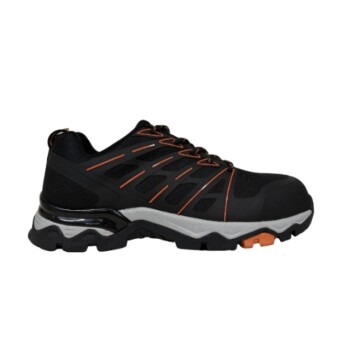
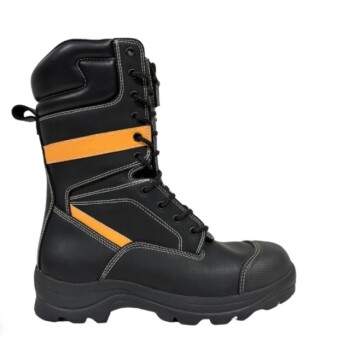
The primary role of Personal Protective Equipment (PPE) is to serve as the critical, final line of defense between a worker and immediate workplace hazards. It functions as a physical barrier designed to prevent direct contact with dangers such as chemical exposures, mechanical impacts, and falling objects, effectively isolating the human body from harm.
Core Takeaway While engineering controls manage risks at the source, PPE acts as the ultimate shield against residual hazards that cannot be fully eliminated. Research indicates that the standardized use of high-quality protective gear can reduce overall industrial accident rates by 40% to 60%.
The Strategic Function of PPE
Acting as a Physical Barrier
In high-risk environments, the fundamental mechanism of PPE is isolation. It creates a tangible shield that prevents harmful agents—whether chemical liquids, hazardous gases, or high-concentration dust—from touching the skin or entering the respiratory system. This barrier is essential for minimizing the probability of direct injury during mechanical impacts or accidental splashes.
Supplementing Engineering Controls
PPE should not be viewed as a standalone solution, but rather as a vital supplement to engineering and administrative controls. In scenarios involving volatile substances like benzene, PPE addresses the "residual risks" that remain after systems like ventilation or containment have been implemented. It fills the defense gaps that structural safety measures may miss.
Preventing Occupational Disease
Beyond immediate physical accidents, PPE plays a major role in long-term health preservation. By blocking contact with carcinogenic vapors and respirable dust, it significantly lowers the occurrence of occupational diseases and work-related illnesses. It ensures that chronic exposure to hazardous environments does not translate into long-term pathology.
Understanding the Trade-offs
The Limitation of "Last Resort"
It is critical to understand that PPE does not eliminate the hazard itself; it only protects the individual. Because it is the final line of defense, if PPE fails or is worn incorrectly, there is no backup safety layer remaining between the worker and the hazard.
Dependency on Standardization
The statistic regarding a 40% to 60% reduction in accident rates is heavily dependent on standardized use. Merely having equipment available is insufficient; the protective integrity relies entirely on the consistent supply of high-quality consumables and strict adherence to usage protocols by the workforce.
Making the Right Choice for Your Goal
To maximize the effectiveness of your safety management system, align your PPE strategy with your specific risk profile.
- If your primary focus is immediate accident reduction: Prioritize high-impact resistant gear and standardized usage protocols to capitalize on the potential 40-60% reduction in injury rates.
- If your primary focus is long-term health: Focus on respiratory and skin isolation barriers to manage residual chemical risks and prevent chronic occupational diseases.
Effective safety management treats PPE not as a formality, but as the essential armor that ensures operational continuity and worker survival.
Summary Table:
| PPE Strategic Function | Core Purpose | Impact on Safety |
|---|---|---|
| Physical Barrier | Isolates body from impacts, chemicals, and dust | Prevents immediate physical injury |
| Risk Supplement | Addresses residual hazards after engineering controls | Fills critical safety gaps |
| Health Preservation | Blocks long-term exposure to toxins/carcinogens | Reduces occupational diseases |
| Standardized Use | Ensures consistent protection integrity | Lowers accident rates by 40-60% |
Secure Your Workforce with Premium Protective Gear
As a large-scale manufacturer serving distributors and brand owners, 3515 offers comprehensive production capabilities for all footwear types, anchored by our flagship Safety Shoes series.
Our extensive portfolio covers work and tactical boots, outdoor shoes, training shoes, and sneakers, as well as Dress & Formal shoes to meet your diverse bulk requirements. We provide the durable, high-standard protection your clients need to maintain safety in high-risk environments.
Contact us today to discuss your bulk manufacturing needs
References
- Muhammad Adithya Sasmitha, Triana Srisantyorini. Pelatihan dan Pengawasan sebagai Upaya Meningkatkan Kepatuhan Penggunaan Alat Pelindung Diri (APD) untuk Menurunkan Tingkat Kecelakaan Kerja. DOI: 10.51888/jpmeo.v3i3.325
This article is also based on technical information from 3515 Knowledge Base .
Related Products
- Heavy-Duty Waterproof Nubuck Safety Boots Safety Shoes for Bulk Supply
- Advanced KPU Athletic Safety Shoe with Steel Toe Cap Anti-Slip Rotary Lacing System
- Premium Safety Shoes with Rotating Buckle Safety Sneakers
- Premium KPU Athletic Safety Shoes for Wholesale
- Premium KPU Injection Athletic Style Safety Shoes
People Also Ask
- What primary protective functions do professional safety boots provide in urban solid waste recovery and waste picking processes? Discover Dual-Layer Protection.
- How do safety boots reduce cutting hazards? Essential Protection for Your Workforce
- Which organizations develop safety standards for work boots? Ensure Compliance & Worker Safety
- What are the common types of safety boots and their primary uses? A Guide to Industrial Footwear
- Why is ankle and arch support important in safety footwear? Prevent Injury & Fatigue