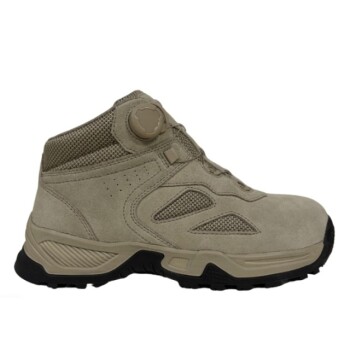
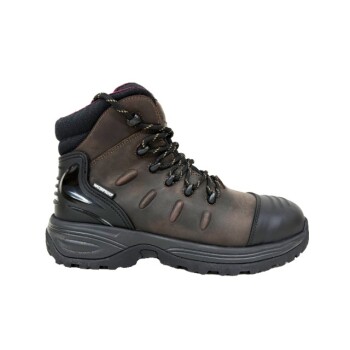
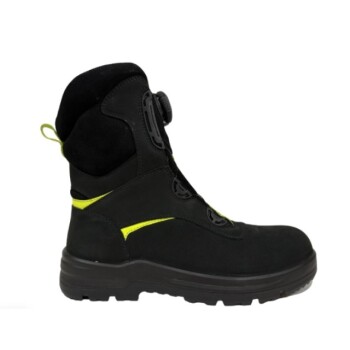
The primary function of hygroscopic mesh lining is to actively manage internal moisture through a process known as capillary action. This specialized material rapidly absorbs sweat from the foot and wicks it away to the outer layers of the boot, significantly improving internal micro-circulation. By doing so, it ensures the wearer maintains a dry, breathable environment even during extended periods of physical exertion.
Effective safety footwear requires more than just external impact resistance; it demands internal climate control. Hygroscopic mesh lining solves the critical problem of moisture accumulation, preventing the bacterial growth and physical discomfort that compromise worker focus and safety compliance.
The Science of Moisture Management
Understanding Capillary Action
Hygroscopic materials do not merely absorb liquid; they transport it.
Through capillary action, the mesh lining draws moisture away from the skin surface. This prevents sweat from pooling at the bottom of the boot, which is the primary cause of maceration (softening of the skin).
Enhancing Micro-circulation
The structure of the mesh is designed to facilitate airflow.
By creating space between the foot and the boot's insulation, the lining allows air to circulate. This evaporation process is essential for regulating the temperature inside the boot.
Why Internal Dryness is Critical for Safety
Preventing Bacterial Growth
A damp, warm environment is the ideal breeding ground for bacteria and fungi.
By reducing moisture accumulation, hygroscopic lining directly mitigates the risk of infections like athlete's foot. This ensures the workforce remains healthy and capable of performing daily tasks without physical setbacks.
Ensuring Extended Wear Comfort
Industrial shifts often last 8 to 12 hours.
If a boot becomes damp within the first two hours, the worker suffers for the remaining shift. Comfort is a safety feature; a worker distracted by blistered or cold, wet feet is less attentive to hazards in their environment.
Understanding the Trade-offs
Durability vs. Breathability
While mesh linings offer superior comfort, they can be less durable than solid leather linings.
The porous nature of the mesh means it is susceptible to tearing if the internal structure of the boot is compromised. It requires the wearer to ensure the interior remains free of grit or debris that could abrade the fabric.
Maintenance Requirements
Hygroscopic linings function best when allowed to dry out completely between uses.
Because they absorb moisture so effectively, they may retain scent or bacteria if not aired out properly. Workers must rotate boots or use drying aids to maintain the lining's efficacy over time.
The Link to Safety Culture
Hardware as a Compliance Driver
As noted in broader safety management frameworks, the usage rate of professional safety boots is a visible indicator of safety culture.
If boots are uncomfortable due to poor internal moisture management, workers are more likely to remove them or wear non-compliant footwear. High-quality lining increases the likelihood that safety protocols are followed voluntarily.
Making the Right Choice for Your Goal
To select the right footwear for your team, consider the specific environmental demands of your worksite.
- If your primary focus is Hygiene: Prioritize boots where the hygroscopic mesh is treated with antimicrobial agents to double-down on preventing bacterial buildup.
- If your primary focus is High-Heat Environments: Select a mesh with a wider weave structure to maximize the rate of evaporation and micro-circulation.
- If your primary focus is Cold Weather: Ensure the hygroscopic lining is paired with adequate insulation, as wicking moisture away is critical to preventing frostbite.
Invest in the internal technology of the boot to secure the external safety of the worker.
Summary Table:
| Key Feature | Primary Function | Core Benefit |
|---|---|---|
| Capillary Action | Wicks sweat from skin to outer layers | Prevents skin maceration and dampness |
| Micro-circulation | Facilitates internal airflow and evaporation | Regulates temperature for 12-hour shifts |
| Moisture Control | Inhibits damp environments | Prevents bacterial infections and odors |
| Comfort Integration | Reduces friction and wetness | Enhances worker focus and safety compliance |
Elevate Your Footwear Standards with 3515
As a premier large-scale manufacturer serving global distributors and brand owners, 3515 integrates advanced moisture-management technology into every pair of boots. Our comprehensive production capabilities allow us to deliver high-performance footwear tailored to your bulk requirements.
Our value to you includes:
- Specialized Safety Series: Flagship safety shoes featuring antimicrobial hygroscopic mesh.
- Diverse Portfolio: From tactical and outdoor boots to training sneakers and formal dress shoes.
- Scalable Manufacturing: Optimized lead times for distributors and large-scale brand orders.
Ready to enhance your product line with superior internal climate control? Contact us today to discuss your production needs!
References
- Ewa Puszczałowska-Lizis, Jarosław Omorczyk. Evaluation of safety boots and their relationships with the foot structure of female and male industrial workers. DOI: 10.1186/s12891-025-08983-4
This article is also based on technical information from 3515 Knowledge Base .
Related Products
- Premium Waterproof High-Cut Industrial Safety Boots for Wholesale and Bulk Orders
- Custom Wholesale Leather Safety Boots Direct Factory Manufacturing
- Premium Wholesale Wheat Nubuck Safety Boot with Rapid Lacing System
- Puncture-Resistant Velcro Safety Boots for Wholesale & Custom Manufacturing
- Premium Wholesale Waterproof Safety Boots High Performance Protection for Industrial Markets
People Also Ask
- Why are oil-resistant and anti-slip properties critical for industrial safety boots? Expert Outsole Engineering Guide
- What are the primary protective functions of industrial safety boots in oil palm plantations? Master Rough Terrain Safety
- What functions do industrial safety boots serve? Essential Protection for Footwear Sole & Stockfit Processing
- Why are industrial safety boots with high-grip outsoles required for oil leaks and B3 waste? Ensure Worker Stability
- What protective functions do industrial-grade safety boots provide in construction and mining? Maximize Worker Safety