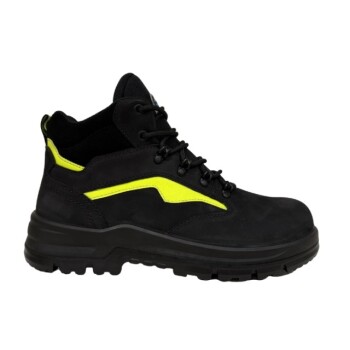
To temporarily improve the comfort of ill-fitting work boots, you can immediately add cushioned or gel insoles, adjust your lacing to relieve pressure points, and wear high-quality moisture-wicking socks. These quick fixes can provide relief while you address the underlying problem of the poor fit.
An ill-fitting work boot is more than a simple inconvenience; it's a risk to your daily performance and long-term health. While temporary adjustments offer short-term relief, the fundamental goal must be to address the root cause of the poor fit.
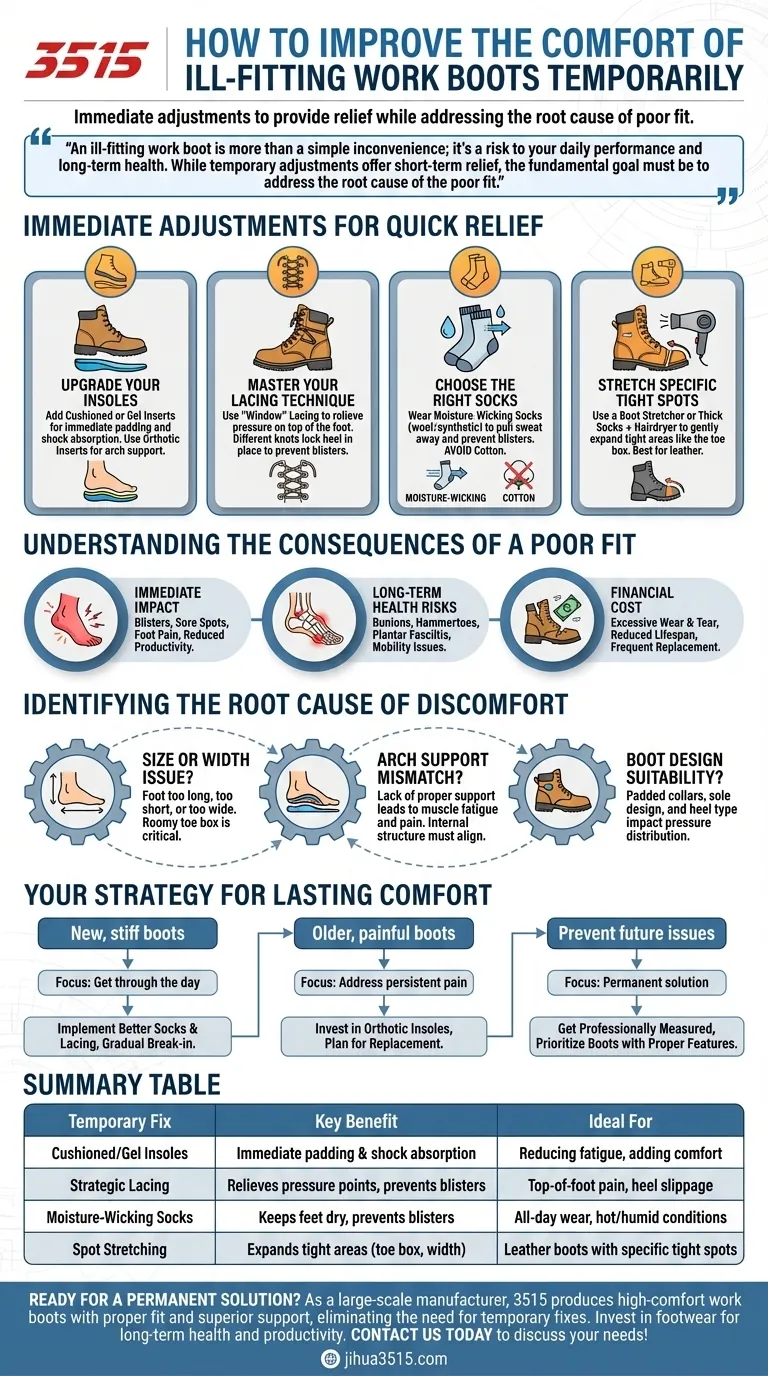
Immediate Adjustments for Quick Relief
When you're dealing with discomfort during a long workday, you need solutions that work now. These tactics are designed to provide fast relief from common pressure points and pain.
Upgrade Your Insoles
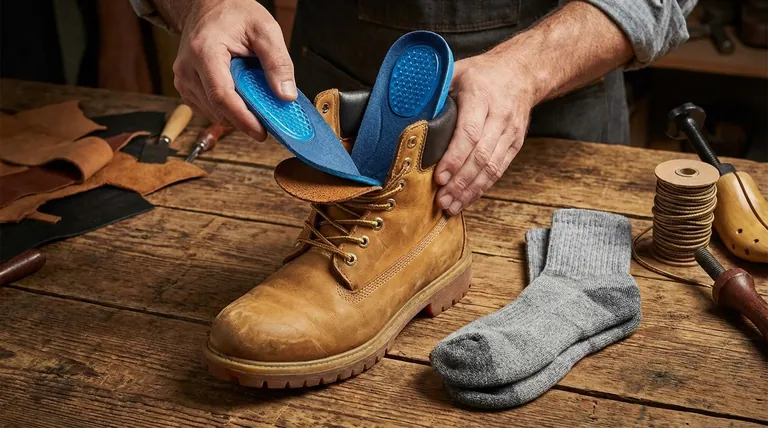
The factory insoles in most boots are basic. Cushioned or gel inserts can provide immediate padding and shock absorption, reducing fatigue. For more specific issues like flat feet or high arches, orthotic inserts can offer crucial arch support.
Master Your Lacing Technique
How you lace your boots can dramatically change their fit. If you have pressure on the top of your foot, try a "window" lacing technique (skipping a set of eyelets) to create space. Different knots and patterns can lock your heel in place to prevent blisters.
Choose the Right Socks
Never underestimate the power of good socks. Moisture-wicking socks made from wool or synthetic blends pull sweat away from your skin, which is the primary defense against blisters. Avoid cotton, as it traps moisture.
Stretch Specific Tight Spots
If your boots are tight in one particular area, such as the toe box or across the width, you can use a boot stretcher or a thick pair of socks and a hairdryer to gently expand the material. This works best with leather boots.
Understanding the Consequences of a Poor Fit
Ignoring the problem of an ill-fitting boot can lead to significant issues. The temporary discomfort is a warning sign of potentially more serious problems.
The Immediate Impact: Pain and Blisters
The most common results of a bad fit are blisters, sore spots, and general foot pain. This not only affects your comfort but also your focus and productivity on the job.
The Long-Term Health Risks
Consistently wearing boots that don't fit correctly can lead to chronic conditions. These include bunions, hammertoes, plantar fasciitis, and other long-term foot damage that can impact your mobility and quality of life.
The Financial Cost
Ill-fitting boots often suffer from excessive wear and tear in specific spots. This uneven pressure can break down materials faster, reducing the lifespan of your boots and forcing you to buy a new pair sooner than expected.
Identifying the Root Cause of Discomfort
To find a lasting solution, you must diagnose exactly why the boot is uncomfortable. Comfort is a result of a boot's design matching your foot's unique shape.
Is It a Size or Width Issue?
This is the most frequent problem. Your foot may be too long, too short, or—very commonly—too wide for the boot. A roomy toe box is critical for allowing your toes to move naturally.
Is It an Arch Support Mismatch?
A lack of proper arch support forces the muscles in your feet to work overtime, leading to fatigue and pain. The boot's internal structure must align with the natural curve of your foot.
Does the Boot Design Suit Your Foot?
Features like padded collars and tongues prevent chafing around the ankle. The sole design—whether a defined heel or a flatter wedge—also impacts how pressure is distributed across your foot during a step.
Your Strategy for Lasting Comfort
Use the following guidelines to decide on your next steps, moving from temporary fixes to a permanent solution.
- If your primary focus is getting through the day with new, stiff boots: Implement better socks, strategic lacing, and a gradual break-in period.
- If your primary focus is addressing persistent pain in older boots: Invest in high-quality orthotic insoles, but start planning to replace the boots if the core fit is wrong.
- If your primary focus is preventing this problem in the future: Get your feet professionally measured and prioritize boots with features that match your foot shape, like a wide toe box and proper arch support.
Ultimately, investing in properly fitting footwear is a direct investment in your own health and safety.
Summary Table:
| Temporary Fix | Key Benefit | Ideal For |
|---|---|---|
| Cushioned/Gel Insoles | Immediate padding & shock absorption | Reducing fatigue, adding comfort |
| Strategic Lacing | Relieves pressure points, prevents blisters | Top-of-foot pain, heel slippage |
| Moisture-Wicking Socks | Keeps feet dry, prevents blisters | All-day wear, hot/humid conditions |
| Spot Stretching | Expands tight areas (toe box, width) | Leather boots with specific tight spots |
Ready for a permanent solution? As a large-scale manufacturer, 3515 produces a comprehensive range of high-comfort work boots designed for distributors, brand owners, and bulk clients. Our expertise ensures proper fit, superior arch support, and durable materials—eliminating the need for temporary fixes. Invest in footwear that supports long-term health and productivity. Contact us today to discuss your needs!
Visual Guide
Related Products
- Durable Leather Work Boots for Wholesale & Custom Manufacturing
- Durable Leather Work Boots for Wholesale & Custom OEM Manufacturing
- Durable Leather Work Boots Wholesale Manufacturer & Custom Factory
- Durable Leather Moc Toe Work Boots for Wholesale & Custom Manufacturing
- Wholesale Leather Work Boots with Customizable Wedge Sole for Brands
People Also Ask
- What is the difference between full-grain and top-grain leather? Premium Material Guide for Boot Manufacturers
- What are the common workplace hazards that can be mitigated with the right work boots? Protect Your Workforce
- What are the common foot issues workers face due to uncomfortable work boots? Prevent Pain & Deformities
- What are the advantages of leather versus synthetic work boots? A Guide to Choosing the Right Material
- What are the key components of modern work boots? Engineered for Ultimate Durability and Comfort