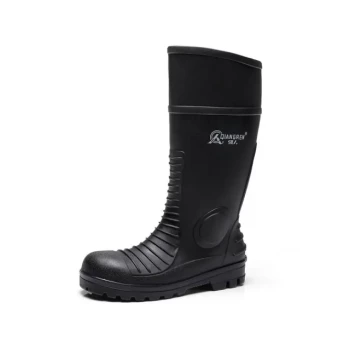
The primary function of a wide toe box design is to create a physical safety zone around the forefoot. By providing ample internal space, this design prevents the toes from being squeezed together, effectively eliminating the friction and localized pressure that lead to skin breakdown.
For individuals with diabetic foot complications, mechanical stress is a silent precursor to serious injury. The wide toe box serves as a critical preventative barrier, ensuring that footwear never becomes the source of trauma for patients who may lack the sensation to feel it happening.
The Mechanics of Injury Prevention
Eliminating Contact Pressure
The most immediate benefit of a wide toe box is the reduction of mechanical injuries. Standard footwear often tapers at the toe, forcing the toes into an unnatural, overlapping position.
By maintaining a wider shape, the shoe allows the toes to splay naturally. This prevents the formation of blisters, ulcers, and calluses caused by skin rubbing against the shoe lining or adjacent toes.
protecting the Neuropathic Foot
This design feature is non-negotiable for users with peripheral neuropathy. These patients often experience significantly reduced pain sensitivity in their feet.
Without the ability to feel pain, a patient might not notice the "pinch" of a narrow shoe until a wound has formed. The wide toe box removes this risk factor entirely by ensuring there is no constriction to begin with.
Volume and Circulation Management
Accommodating Custom Orthotics
A wide toe box is not just about the toes; it contributes to the overall internal volume of the shoe.
Therapeutic footwear is frequently used in conjunction with customized, optimized insoles. The wide design ensures that inserting these insoles does not crowd the foot or reduce the remaining space to dangerous levels.
Maintaining Blood Flow
Diabetic feet are prone to swelling and deformities. A restrictive toe box can act as a tourniquet, impeding necessary blood circulation.
By accommodating potential swelling, the wide design ensures the foot remains uncompressed. This allows for consistent plantar pressure offloading without compromising vascular health.
Understanding the Trade-offs
The Balance of Fit vs. Space
While maximizing space is critical for the toes, it must not compromise the stability of the rest of the foot.
A shoe that is simply "big" rather than anatomically "wide" can lead to heel slippage or lack of midfoot support. The goal is to provide freedom in the forefoot while maintaining a secure fit elsewhere to prevent the foot from sliding forward into the toe box.
Volume Management
Excessive internal volume without proper management can sometimes lead to instability.
It is essential that the wide design works in tandem with the heel cup and insoles. If the volume is too great and not filled by the foot or an insole, the lack of contact can reduce the shoe's ability to offload pressure effectively.
Making the Right Choice for Your Goal
When selecting protective footwear, the wide toe box addresses different priorities depending on the patient's specific condition.
- If your primary focus is Neuropathy Protection: Prioritize a toe box that offers maximum width to eliminate all contact friction, as the patient cannot rely on pain signals to warn them of tightness.
- If your primary focus is Accommodation of Deformities: Ensure the wide design also offers sufficient vertical depth and volume to house custom insoles or accommodate swelling without restricting circulation.
The wide toe box is the foundational element of diabetic foot safety, transforming the shoe from a fashion accessory into a medical device that preserves tissue integrity.
Summary Table:
| Feature | Benefit for Diabetic Care | Clinical Impact |
|---|---|---|
| Anatomical Splay | Eliminates toe squeezing and friction | Prevents blisters and skin breakdown |
| Increased Volume | Accommodates swelling and custom insoles | Ensures consistent pressure offloading |
| Neuropathic Shield | Removes pressure points for insensitive feet | Prevents unnoticed trauma and ulcers |
| Vascular Support | Avoids constriction of blood flow | Maintains circulation and foot health |
Partner with 3515 for High-Performance Protective Footwear
As a large-scale manufacturer serving global distributors and brand owners, 3515 delivers the precision engineering required for therapeutic and safety footwear. Our production capabilities span across our flagship Safety Shoes series, tactical boots, and specialized training shoes, all designed to meet rigorous medical and industrial standards.
By choosing 3515, you gain access to a comprehensive portfolio including:
- Advanced Safety Shoes with wide toe box technology for superior foot protection.
- Versatile Footwear Solutions ranging from outdoor and sneakers to dress and formal shoes.
- Bulk Manufacturing Excellence tailored to your brand’s specific volume and quality requirements.
Enhance your product line with footwear that prioritizes health and safety. Contact us today to discuss your distribution or branding needs.
References
- Nourah Yousef A Al-Harbi, Zainab H. Almohammed. Awareness of Foot Care among Diabetic Patients in Eastern Province, Saudi Arabia: A Cross-Sectional Study. DOI: 10.36348/sjm.2023.v08i09.009
This article is also based on technical information from 3515 Knowledge Base .
Related Products
- Wholesale Customizable Safety Boots Durable & Protective Footwear Manufacturing
- Wholesale Leather Safety Boots with Customizable Protective Toe
- Durable Steel Toe Safety Boots Wholesale & Custom Manufacturing
- Premium Waterproof Nubuck Safety Boots for Wholesale
- Premium Sport Style Safety Boots for Bulk Orders
People Also Ask
- Why are industrial safety boots with steel toes necessary for machine operators? Essential Foot Protection for Safety
- What is the history of steel toe work boots? From German Invention to Modern Safety Standard
- What are the different types of steel toe work boots? Choose the Right Boot for Your Job
- What are the pros and cons of steel toe work boots? A Guide to Maximum Protection vs. Comfort
- What industries are safety toe work boots best suited for? Protect Your Feet in High-Risk Environments