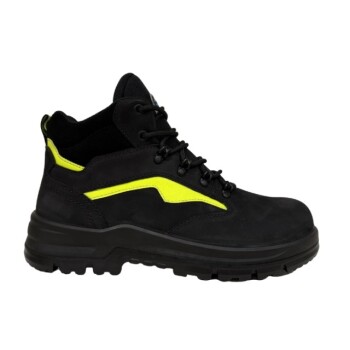
When budgeting for high-quality, durable construction boots, you should expect to invest between $100 and $200. This price range represents the sweet spot for most professionals, offering a critical balance of safety features, long-term durability, and all-day comfort without requiring payment for highly specialized or non-essential features.
The price of a work boot isn't just a number; it's a direct indicator of its construction, materials, and expected lifespan. Investing in the appropriate tier is an investment in your safety and daily comfort.
What Defines a "High-Quality" Boot?
Before analyzing price, it's essential to understand what features separate a reliable work boot from a liability. The cost is directly tied to the quality of three core components.
The Foundation: Safety Features
A boot's primary job is protection. High-quality boots feature reinforced safety toes (steel, composite, or alloy), meet or exceed ASTM safety standards, and often include features like electrical hazard (EH) protection or puncture-resistant plates.
The Core: Material and Construction
This is where price differences become most apparent. Premium boots use full-grain leather, which is more durable and water-resistant than cheaper split-grain leathers or synthetic materials. The construction method, such as a Goodyear welt, allows the boot to be resoled, drastically extending its life compared to a cemented sole that is simply glued on.
The Comfort Factor: Support and Design
Spending all day on your feet requires more than just protection. Better boots incorporate superior arch support, shock-absorbing midsoles, and breathable, moisture-wicking liners. These features reduce fatigue and prevent long-term foot problems.
Breaking Down the Price Tiers
While the $100-$200 range is a solid guideline, understanding the tiers helps you pinpoint the right value for your specific needs.
The Entry-Level ($75 - $120): The Essentials
Boots in this range will meet basic safety requirements (like having a safety toe) and are suitable for occasional use or less demanding environments. However, they typically use lower-grade materials and cemented construction, meaning they will wear out faster under daily professional use.
The Professional Standard ($120 - $200): The Sweet Spot
This is the target range for most construction professionals. Here you find boots made with full-grain leather, durable Goodyear welt construction, and added features like waterproofing. They provide the longevity and comfort needed for demanding, everyday work, making them a worthwhile long-term investment.
The Premium Tier ($200+): Specialized Features
Boots that cost more than $200 are typically built for specialized jobs or extreme conditions. The extra cost pays for specific features like heavy-duty insulation for cold weather, advanced chemical resistance, or USA-made craftsmanship with premium materials.
Understanding the Trade-offs
Choosing a boot is about balancing cost against your daily reality on the job site.
The Pitfall of "Too Cheap"
Opting for a sub-$75 boot for professional work is a false economy. The lower initial cost is quickly offset by rapid wear-and-tear, forcing frequent replacement. More importantly, these boots often lack the support needed for long hours, leading to foot, knee, and back pain.
When Is "Expensive" Unnecessary?
Paying for premium features you don't need is not a good use of funds. A roofer in Arizona doesn't need to pay for 400g of Thinsulate insulation, just as an indoor electrician may not need the rugged exterior of a boot designed for excavation work. Match the boot's features to your actual work environment.
Making the Right Investment for Your Work
Focus on your primary needs to find the ideal balance of price and performance.
- If your primary focus is occasional use or light-duty work: A reliable boot in the $90-$120 range will likely provide the necessary safety and comfort.
- If your primary focus is daily professional use in standard conditions: Target the $120-$200 range for the best long-term value, durability, and all-day support.
- If your primary focus is working in extreme cold, wet, or hazardous environments: Be prepared to invest over $200 for the specialized protective features your job demands.
Ultimately, the right work boot is a critical piece of personal protective equipment that directly impacts your daily performance and well-being.
Summary Table:
| Price Tier | Best For | Key Features |
|---|---|---|
| $75 - $120 (Entry-Level) | Occasional use, light-duty work | Basic safety toe, cemented construction, lower-grade materials |
| $120 - $200 (Professional Standard) | Daily professional use, demanding environments | Full-grain leather, Goodyear welt construction, waterproofing, superior comfort |
| $200+ (Premium/Specialized) | Extreme conditions, specialized hazards | Heavy-duty insulation, advanced chemical resistance, premium craftsmanship |
Ready to Equip Your Team with Durable, High-Quality Footwear?
As a large-scale manufacturer, 3515 produces a comprehensive range of safety footwear for distributors, brand owners, and bulk clients. Our production capabilities encompass all types of durable work boots and shoes, ensuring your team gets the perfect combination of safety, comfort, and value.
We provide:
- Expert Manufacturing: High-volume production of boots built to meet and exceed safety standards.
- Customization Options: Tailor styles, materials, and safety features to your specific market needs.
- Reliable Supply Chain: Consistent quality and on-time delivery for your business.
Let's discuss your footwear needs. Contact our team today for a competitive quote and discover how 3515 can be your trusted manufacturing partner.
Visual Guide

Related Products
- Durable Leather Work Boots Wholesale Manufacturer & Custom Factory
- Durable Leather Work Boots for Wholesale & Custom Manufacturing
- Durable Leather Moc Toe Work Boots for Wholesale & Custom Manufacturing
- Wholesale Customizable Safety Boots Durable & Protective Footwear Manufacturing
- Durable Leather Work Boots for Wholesale & Custom OEM Manufacturing
People Also Ask
- What are the common workplace hazards that can be mitigated with the right work boots? Protect Your Workforce
- Which brands are known for high-quality work boots? A Guide to Durable, Safe Footwear
- How do subjective norms influence the marketing of work boots and tactical footwear? Leverage Social Identity for Sales
- What options are available for restoring worn-out work boots? Expert Strategies for Longevity
- What are the main differences between 6 inch and 8 inch boots? Support vs. Mobility Explained