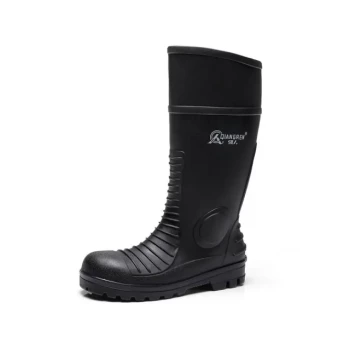
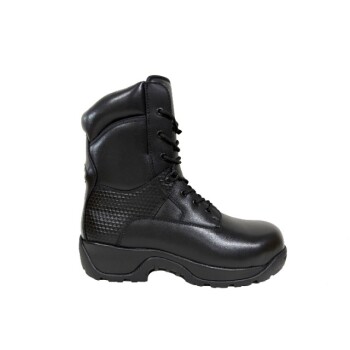
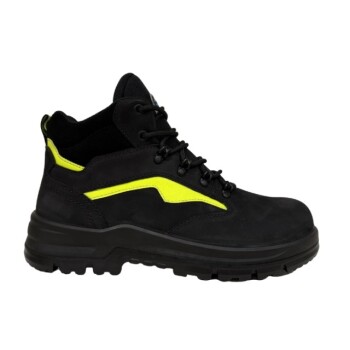
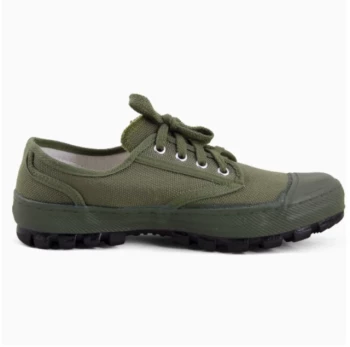
When choosing a work boot, weight is a critical factor for all-day comfort, and the material is the primary determinant. PVC and neoprene boots are characteristically lightweight, making them well-suited for long periods of walking or standing. In contrast, traditional rubber boots are significantly heavier, and this added weight can lead to fatigue over the course of a workday.
The core decision is not simply about finding the lightest boot, but about understanding the trade-offs. While PVC and neoprene reduce fatigue with their lower weight, the heavier nature of rubber often corresponds with greater ruggedness and durability for more demanding environments.
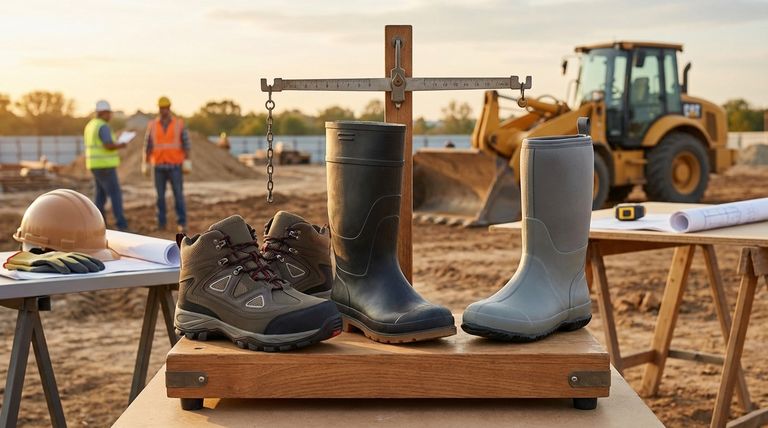
A Direct Comparison of Boot Weight
The difference in weight between these materials stems directly from their density and typical construction methods. This distinction is the starting point for evaluating which boot is right for your needs.
PVC and Neoprene: The Lightweight Champions
As synthetic materials, both PVC (polyvinyl chloride) and neoprene are engineered to be lightweight. This makes them an excellent choice for roles that require constant movement, reducing the physical strain on your legs and feet.
Their low weight contributes directly to user comfort, especially when worn for an entire shift.
Rubber: The Traditional Heavyweight
Natural rubber is inherently denser than its synthetic counterparts. When it is vulcanized and molded into thick, protective structures for work boots, its weight increases substantially.
While this weight provides a sense of sturdiness, it is also the most common source of discomfort and fatigue associated with this boot type.
Why Weight is Just One Piece of the Puzzle
A boot's weight does not exist in isolation. It is intrinsically linked to other crucial performance characteristics, such as flexibility and durability, which together define the user experience.
The Impact of Flexibility on Comfort
Neoprene is the most flexible material of the three, easily molding to the shape of your feet and calves for a near-custom fit that enhances comfort.
Rubber offers moderate flexibility, though this can decrease significantly as the material's thickness increases for durability.
PVC is the most rigid material. While lightweight, its stiffness can restrict natural foot and ankle motion, which may be a source of discomfort for some users.
Material Composition and Origin
Understanding the source of each material provides context for its properties. Rubber is a natural material derived from plant sap, which contributes to its higher cost.
Neoprene and PVC are both synthetic polymers created in a lab. Neoprene is a form of synthetic rubber, while PVC is a durable and widely used plastic.
Understanding the Trade-offs
Choosing the right boot requires an objective look at the compromises inherent in each material. The ideal choice balances its strengths against its weaknesses for your specific application.
The PVC Trade-off: Stiffness for Affordability
PVC boots are lightweight and the most budget-friendly option. However, this comes at the cost of being the stiffest and least flexible material, which can hinder mobility.
The Neoprene Trade-off: Comfort for Specialization
Neoprene offers an unmatched combination of light weight and flexibility, resulting in superior comfort. The trade-off is that it's often used in insulated or specialized boots and may not offer the same puncture and abrasion resistance as thick, heavy-duty rubber.
The Rubber Trade-off: Weight for Robustness
The primary disadvantage of rubber boots is their weight. You accept this extra weight in exchange for what is often superior durability, chemical resistance, and protection in harsh, demanding work environments.
Making the Right Choice for Your Work
To select the best boot, align the material's core strengths with the primary demands of your daily tasks.
- If your primary focus is all-day comfort and mobility: Choose neoprene boots for their excellent balance of light weight and superior flexibility.
- If your primary focus is budget and basic waterproof protection: PVC boots are the most affordable lightweight option, but be mindful of their inherent stiffness.
- If your primary focus is maximum durability in harsh conditions: Accept the extra weight of rubber boots for their robust, protective, and time-tested construction.
Ultimately, understanding these material trade-offs empowers you to choose a boot that works with you, not against you.
Summary Table:
| Material | Weight | Key Characteristic | Ideal For |
|---|---|---|---|
| PVC | Lightweight | Most affordable, but stiff | Budget-conscious users, basic protection |
| Neoprene | Lightweight | Most flexible and comfortable | All-day comfort, mobility-focused roles |
| Rubber | Heavyweight | Most durable and robust | Harsh conditions, maximum protection |
Ready to find the perfect work boot for your team?
As a large-scale manufacturer, 3515 produces a comprehensive range of footwear for distributors, brand owners, and bulk clients. We understand that the right boot enhances productivity and safety. Our production capabilities encompass all types of shoes and boots, ensuring you get the ideal combination of weight, durability, and comfort for your specific needs.
Let's discuss your requirements and get a quote for high-performance work boots that reduce fatigue and stand up to the job.
Contact our experts today to get started!
Visual Guide

Related Products
- Durable Leather Work Boots for Wholesale & Custom Manufacturing
- Durable Leather Work Boots for Wholesale & Custom OEM Manufacturing
- Durable Leather Work Boots Wholesale Manufacturer & Custom Factory
- Durable Leather Moc Toe Work Boots for Wholesale & Custom Manufacturing
- Wholesale Leather Work Boots with Customizable Wedge Sole for Brands
People Also Ask
- What is the difference between full-grain and top-grain leather? Premium Material Guide for Boot Manufacturers
- What are the common workplace hazards that can be mitigated with the right work boots? Protect Your Workforce
- What are the common foot issues workers face due to uncomfortable work boots? Prevent Pain & Deformities
- What are the advantages of leather versus synthetic work boots? A Guide to Choosing the Right Material
- What are the key components of modern work boots? Engineered for Ultimate Durability and Comfort