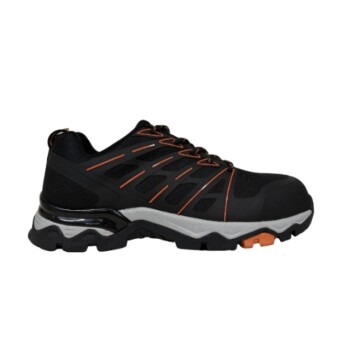
Professional safety footwear is a non-negotiable requirement for nursing staff working in high-intensity clinical settings. These specialized shoes provide a dual-layer defense, protecting the feet from physical trauma—such as puncture wounds from sharps and impact from heavy equipment—while simultaneously preventing skin contact with hazardous liquid leakages. Beyond immediate protection, they incorporate advanced ergonomic structures that stabilize the body, significantly reducing the risk of falls and chronic musculoskeletal fatigue.
Professional footwear in a hospital setting functions as critical Personal Protective Equipment (PPE) that bridges the gap between physical safety and long-term physiological health. By mitigating both acute injury risks and the cumulative wear of high-frequency tasks, these shoes ensure that healthcare providers remain safe, stable, and focused on patient care.
Mitigating Physical and Biological Hazards
Protection Against Punctures and Sharps
In the fast-paced environment of a hospital, the risk of dropping needles or surgical instruments is constant. Professional safety shoes are engineered with puncture-resistant soles and reinforced uppers to prevent sharps from penetrating the foot. This barrier is essential for avoiding both physical injury and potential exposure to bloodborne pathogens.
Defense Against Fluid Exposure
Clinical environments frequently involve exposure to various liquids, from chemical cleaners to bodily fluids. Specialized work shoes utilize liquid-resistant materials and sealed seams to prevent these substances from reaching the skin. This protection is vital for maintaining hygiene and preventing chemical burns or infections.
Impact Resistance from Heavy Equipment
Nurses often maneuver heavy machinery, hospital beds, and pressurized oxygen tanks that can cause severe crushing injuries if dropped. Many professional models include reinforced toe caps designed to absorb and deflect high-pressure impacts. This structural reinforcement ensures that accidental collisions do not result in fractures or contusions.
Ergonomic Support and Long-Term Health
Advanced Stability for Lower Limb Joints
The constant standing and walking required in nursing can lead to significant joint strain. Professional footwear is designed to improve static balance and muscle strength perception in the knees, calves, and ankles. By providing a stable foundation, these shoes help align the body and reduce the prevalence of lower back pain.
Shock Absorption and Ground Force Reduction
Every step taken on hard hospital floors sends a shockwave through the skeletal system. High-performance shoes utilize advanced cushioning systems to absorb these ground reaction forces before they reach the joints. This ergonomic intervention is critical for reducing the "wear and tear" that leads to chronic exhaustion and long-term physical degradation.
Anti-Slip Technology for Rapid Transitions
Emergency situations often require nurses to move quickly across floors that may be wet or contaminated with spills. Specialized slip-resistant outsoles provide the necessary friction to maintain traction during rapid transitions. This feature is a primary defense against workplace falls, which are a leading cause of occupational injury in healthcare.
Understanding the Trade-offs
Protection versus Weight
One of the primary trade-offs in professional safety footwear is the balance between protective features and shoe weight. While reinforced toe caps and puncture-resistant plates provide maximum safety, they can increase the overall weight of the shoe. In high-mobility roles, excessive weight may contribute to leg fatigue over a 12-hour shift.
Fluid Resistance versus Breathability
Shoes designed to be entirely waterproof or fluid-resistant often sacrifice airflow and breathability. This can lead to heat buildup and moisture accumulation inside the shoe, which may cause discomfort or skin irritation. Selecting a model that balances a fluid-repellent exterior with a moisture-wicking inner lining is essential for long-term comfort.
Choosing the Right Footwear for Your Clinical Role
When selecting professional footwear, you must weigh the specific hazards of your department against your personal physiological needs to ensure maximum protection and performance.
- If your primary focus is Emergency or Surgical Care: Prioritize shoes with maximum fluid resistance and reinforced toe caps to protect against heavy equipment and frequent liquid spills.
- If your primary focus is General Ward or High-Mobility Nursing: Look for models that emphasize advanced cushioning and lightweight stability structures to reduce the fatigue associated with walking long distances.
- If your primary focus is Geriatric or Rehab Care: Ensure the footwear features certified anti-slip outsoles to maintain stability while assisting patients with mobility and transfers.
Investing in high-quality professional footwear is a fundamental step in safeguarding your physical longevity and ensuring peak operational performance in the demanding healthcare environment.
Summary Table:
| Feature | Protection Benefit | Health & Ergonomic Benefit |
|---|---|---|
| Reinforced Toe Caps | Defends against heavy equipment impact | Reduces risk of fractures and contusions |
| Slip-Resistant Soles | Prevents falls on wet or contaminated floors | Provides stability during rapid movements |
| Puncture Resistance | Blocks needles and surgical sharps | Prevents exposure to bloodborne pathogens |
| Fluid-Resistant Uppers | Shields skin from chemical and bodily fluids | Maintains hygiene and prevents skin irritation |
| Advanced Cushioning | Absorbs ground reaction forces | Reduces joint strain and lower back pain |
Secure Your Team's Performance with Professional-Grade Safety Footwear
In high-pressure healthcare environments, the right footwear is more than just a uniform—it is essential Personal Protective Equipment. 3515, a leading large-scale manufacturer, provides distributors and brand owners with high-performance footwear solutions engineered for durability and safety.
Our flagship Safety Shoes series is specifically designed to meet the rigorous demands of clinical and industrial work, offering superior impact resistance and ergonomic support. Beyond medical needs, our comprehensive production capabilities cover tactical boots, outdoor shoes, training sneakers, and formal dress shoes to satisfy all bulk requirements.
Partner with 3515 today to provide your customers with unmatched protection and comfort.
Contact our team for bulk inquiries and manufacturing specifications!
References
- Solehudin Solehudin, Nurul Ainul Shifa. Analisis Penerapan Penggunaan Alat Pelindung Diri (APD). DOI: 10.55606/jurrike.v3i1.2767
This article is also based on technical information from 3515 Knowledge Base .
Related Products
- Premium Suede Sport Safety Shoes for Wholesale & Bulk Orders
- Premium Lightweight Safety Shoes for Wholesale & Bulk Orders
- Wholesale Anti-Smash & Puncture-Proof Safety Shoes Custom Manufacturing for Brands
- Premium KPU Injection Athletic Style Safety Shoes
- Premium Safety Shoes with Rotating Buckle Safety Sneakers
People Also Ask
- What are the primary functions of professional safety shoes? Maximize Safety in Water Supply Confined Spaces
- What industries have specific OSHA footwear requirements? Ensure Compliance & Protect Your Workforce
- What role do specialized safety shoes play in preventing falls? Engineering Stability in Industrial Environments
- Why must safety training be synchronized with the provision of physical safety shoes? Achieve Optimal Workplace Protection
- What happens during the cutting stage of safety shoes manufacturing? Precision, Process & Quality