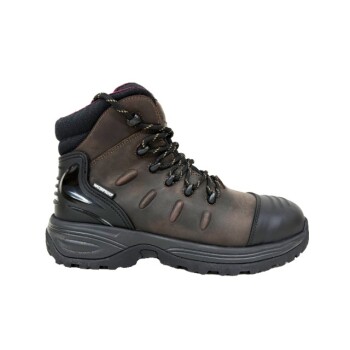
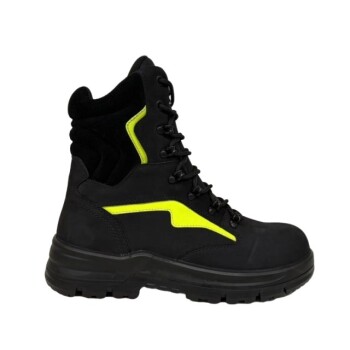
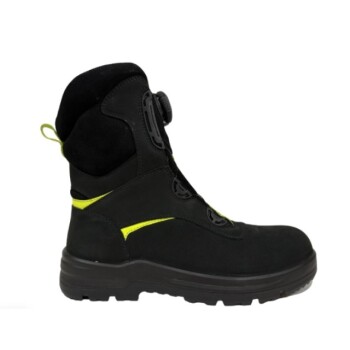
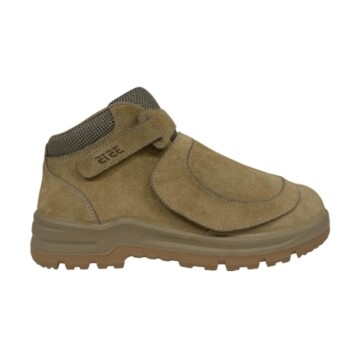
The integrity of your protective gear depends entirely on material resilience. In high-frequency disinfection environments, the use of corrosion-resistant materials is critical to prevent chemical erosion caused by harsh agents like chlorine-based solutions or quaternary ammonium salts. Without these specialized materials, the shoe structure degrades rapidly, leading to seal failure and a total loss of protective performance.
Frequent exposure to corrosive disinfectants attacks the molecular structure of standard footwear, leading to microscopic leaks and structural breakdown. Corrosion-resistant boots are essential to maintain the physical seal of the footwear, ensuring long-term biosecurity and operator safety.
The Mechanics of Protection and Durability
Preventing Chemical Erosion
In environments such as poultry farms or industrial sanitation, boots are subjected to constant chemical stress. Standard materials absorb these chemicals, causing them to brittle or dissolve.
Corrosion-resistant materials are engineered to repel these specific chemical compounds. This prevents the degradation of the boot's outer shell, preserving the structural integrity necessary for daily operations.
Maintaining Seal Integrity
The most critical failure point in protective footwear is the seal. Once the material begins to erode, the waterproof and chemical-proof barrier is compromised.
Using high-durability materials prevents seal failure. This ensures that hazardous liquids do not penetrate the footwear, keeping the operator's feet isolated from potential contaminants.
Long-Term Stability in Biosecurity
Biosecurity is a marathon, not a sprint. Equipment must perform consistently over an extended service life to be effective.
Corrosion-resistant boots provide long-term stability. By resisting wear from frequent disinfection cycles, they maintain their protective properties over time, reducing the frequency of equipment replacement and the risk of unexpected failure during an epidemic prevention scenario.
Operational Context and Physical Shielding
Defense Against Airborne Contaminants
Disinfection often involves thermal fogging, creating drifting pesticide droplets. Corrosion-resistant boots act as a physical shield against these airborne particulates.
They ensure that settling droplets do not degrade the footwear surface. This prevents chemicals from lingering on the boot and potentially contacting the skin later.
Stability in Complex Terrain
While chemical resistance is the primary need, the boot must also function as physical safety gear.
High-quality protective boots are often engineered for complex terrain. They provide the stability needed for operators moving through uneven outdoor environments while maintaining a multi-layered defense system against environmental hazards.
Understanding the Trade-offs
Specificity of Resistance
Not all "corrosion-resistant" materials protect against every chemical. A material engineered to resist chlorine might not be as effective against petroleum-based solvents.
It is crucial to match the material specifications of the boot to the specific class of disinfectants used in your protocol.
Weight and Flexibility
Materials designed for high chemical durability and physical shielding can sometimes be heavier or stiffer than standard footwear.
Operators may experience a slight reduction in flexibility. However, this is a necessary compromise to ensure the multi-layered defense required for handling hazardous agents safely.
Making the Right Choice for Your Goal
To select the correct protective footwear, assess your specific environmental risks.
- If your primary focus is Biosecurity (Poultry/Farms): Prioritize boots with verified resistance to chlorine-based solutions and quaternary ammonium salts to prevent seal failure.
- If your primary focus is Field Operations (Fogging): Look for boots that combine chemical resistance with physical stability to handle complex terrain and drifting droplets.
True safety is achieved only when your equipment is tougher than the environment it operates in.
Summary Table:
| Feature | Standard Materials | Corrosion-Resistant Materials |
|---|---|---|
| Chemical Resistance | Low; prone to brittleness | High; repels harsh disinfectants |
| Seal Integrity | Fails under frequent exposure | Remains watertight and secure |
| Service Life | Short; frequent replacement | Long-term stability and durability |
| Protection Level | Risks microscopic leaks | Multi-layered defense system |
| Ideal Environment | General use only | Poultry farms, sanitation, fogging |
Secure Your Workforce with High-Performance Protective Footwear
In high-frequency disinfection environments, your choice of footwear determines the safety of your team and the integrity of your biosecurity protocols. As a large-scale manufacturer serving distributors and brand owners, 3515 offers comprehensive production capabilities for all footwear types, anchored by our flagship Safety Shoes series.
Our extensive portfolio covers work and tactical boots, outdoor shoes, training shoes, and sneakers, as well as Dress & Formal shoes to meet diverse bulk requirements. By choosing 3515, you gain a partner dedicated to providing durable, corrosion-resistant solutions that withstand the toughest chemical stresses and complex terrains.
Ready to upgrade your protective gear? Contact us today to discuss your bulk manufacturing needs and let us help you build a safer, more resilient operation.
References
- Andrea Laconi, Alessandra Piccirillo. Stakeholders’ Perceptions of Biosecurity Implementation in Italian Poultry Farms. DOI: 10.3390/ani13203246
This article is also based on technical information from 3515 Knowledge Base .
Related Products
- Wholesale Durable Safety Boots | Custom Steel Toe & Puncture-Resistant Manufacturing
- Premium Grain Leather Safety Boots for Bulk Supply
- Premium Oil Wax Leather Safety Boots for Bulk Purchase
- Puncture-Resistant Velcro Safety Boots for Wholesale & Custom Manufacturing
- Durable Steel Toe Safety Boots Wholesale & Custom Manufacturing
People Also Ask
- What materials are commonly used for outsoles in safety boots? A Guide to Durability, Grip, and Comfort
- Why is proper storage important for safety boots? Preserve Protection and Extend Lifespan
- How should safety boots be cleaned to avoid damage? A Gentle Guide to Preserve Your Boots
- What are the consequences of not wearing safety boots? Protect Your Finances and Career
- What are the key features of safety boots? Essential Protection for Hazardous Workplaces