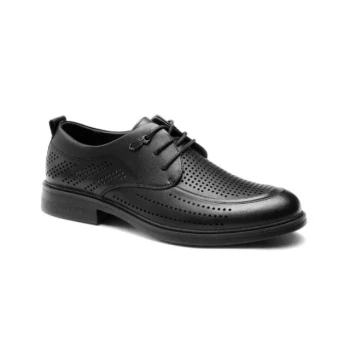
Specialized footwear is a critical enabler of physical activity for patients managing metabolic syndrome. Because individuals with central obesity experience significantly higher pressure on their lower limbs, standard shoes often fail to provide adequate protection against this strain. Proper footwear design allows these patients to sustain the exercise regimens necessary to improve their metabolic status and reduce cardiovascular risks.
For patients managing metabolic syndrome, footwear is not merely an accessory but a prerequisite for safe rehabilitation. By mitigating the physical strain of central obesity through support and shock absorption, specialized shoes empower patients to engage in the physical activity required to reduce cardiovascular risk factors.
The Physical Challenge of Metabolic Syndrome
The Impact of Central Obesity
Patients with metabolic syndrome typically exhibit specific physical characteristics, often assessed through Body Mass Index (BMI) and waist circumference.
This condition frequently presents as central obesity. This distribution of weight places a unique mechanical load on the body, distinct from general weight gain.
Increased Lower Limb Pressure
The primary mechanical consequence of this body composition is higher pressure on the lower limbs.
Every step generates significant impact forces. For patients with central obesity, these forces are amplified, creating excessive physical strain that can deter movement.
Critical Design Features
Reinforced Support
To counter the instability caused by central obesity, footwear must offer reinforced support.
This structural integrity ensures that the foot remains aligned under heavy loads. It prevents the collapse of the shoe’s structure, which is essential for preventing injury during movement.
Superior Shock Absorption
The most vital component for facilitating exercise is superior shock absorption.
By dampening the impact of each step, the footwear acts as a buffer between the patient's weight and the ground. This reduces the immediate physical toll on joints and tissues.
Understanding the Risks of Neglect
The Cycle of Inactivity
The trade-off for ignoring footwear design is often the failure of the weight loss intervention itself.
Without the mechanical assistance of specialized shoes, the pain or discomfort from lower limb pressure becomes a barrier. This prevents the patient from engaging in the physical activity required to improve their health.
The Support vs. Strain Equation
Standard footwear lacks the engineering to handle the specific pressures of central obesity.
Relying on generic designs forces the patient's body to absorb the excess strain. This undermines the goal of reducing cardiovascular risk factors by increasing the likelihood of orthopedic fatigue or injury.
Making the Right Choice for Your Goal
To effectively support weight loss interventions, footwear selection must be treated as a strategic medical decision.
- If your primary focus is Pain Reduction: Prioritize superior shock absorption to minimize the immediate impact forces generated by central obesity.
- If your primary focus is Sustained Mobility: Prioritize reinforced support to maintain structural alignment and prevent fatigue during extended periods of physical activity.
The right footwear transforms exercise from a painful risk into a sustainable therapy for improving metabolic status.
Summary Table:
| Feature | Physical Benefit | Impact on Weight Loss Intervention |
|---|---|---|
| Reinforced Support | Ensures structural alignment under central obesity loads | Sustains mobility & prevents orthopedic injuries during activity |
| Superior Shock Absorption | Dampens high impact forces on lower limbs & joints | Reduces exercise-induced pain to ensure regimen compliance |
| Anatomical Integrity | Prevents structural collapse of the shoe | Transforms painful movement into sustainable physical therapy |
| Pressure Mitigation | Offloads mechanical strain from the lower limbs | Lowers barriers to the activity needed for cardiovascular health |
Partner with 3515 for High-Performance Specialized Footwear
As a premier large-scale manufacturer serving global distributors and brand owners, 3515 delivers the engineering precision required for specialized health and performance footwear. We understand that for patients with metabolic syndrome, the right shoe is a medical necessity. Our comprehensive production capabilities allow us to integrate advanced shock absorption and reinforced support across our entire range—from our flagship Safety Shoes and Tactical Boots to high-durability Training Shoes and Sneakers.
Whether you are looking to develop a dedicated health line or expand your bulk inventory with superior-quality work and dress shoes, 3515 provides the expertise and scale to meet your requirements. Contact us today to discuss your production needs and discover how our manufacturing excellence can add value to your brand and comfort to your customers.
References
- Hilde Bergum, Tor Ole Klemsdal. Effects on physical activity, physical fitness and well-being in a 36-months randomized controlled study, comparing a multimodal hospital-based intervention programme for primary cardiovascular prevention with usual care. DOI: 10.1186/s12872-024-03892-1
This article is also based on technical information from 3515 Knowledge Base .
Related Products
- Lightweight Breathable Training Shoes for Wholesale & Custom OEM Manufacturing
- Durable Leather Work Boots for Wholesale & Custom Manufacturing
- Wholesale Breathable Training Shoes Custom Athletic Footwear Manufacturer
- Wholesale Smart Casual Sneakers with Dial Closure | Factory Direct Manufacturing
- Wholesale Durable Camouflage Canvas Shoes with High-Traction Cleated Rubber Sole
People Also Ask
- Why are lightweight training shoes often preferred over professional hiking boots in urban walking? Maximize City Comfort
- What is the primary role of specialized training or orthopedic shoes? Enhance Safety in Elderly Balance Training
- Why are professional-grade training shoes essential for physical therapy? Ensure Patient Safety and Gait Stability
- Why are the slip-resistance and stability performance of training shoes critical in gait analysis? Ensure Data Accuracy
- Why is the use of flat-soled or professional training shoes essential for WBV? Maximize Vibration Energy Transfer