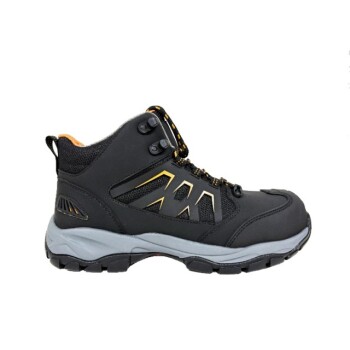
The integration of wearable ankle braces with specialized footwear serves to establish a rigid mechanical interface that ensures high-fidelity data collection during dorsiflexion experiments. This combination isolates ankle movement strictly to the sagittal plane, allowing for the precise transfer of muscle-generated torque to measurement devices while neutralizing inaccuracies caused by lateral instability.
The core value of this setup lies in variable control: by physically locking the foot's trajectory, researchers eliminate mechanical noise caused by natural side-to-side shifting, ensuring that recorded data reflects true muscle performance rather than positional error.
Ensuring Data Fidelity Through Mechanical Stability
Establishing a Precise Connection
The primary function of combining bracing with footwear is to create a stable mechanical connection between the subject and the measurement apparatus. This ensures that every degree of joint movement generated by muscle contractions is accurately transferred to the recording sensors. Without this unified support, energy is lost or misdirected, leading to understated force measurements.
Isolating the Sagittal Plane
Accurate dorsiflexion data requires movement to occur along a single axis. The brace and footwear combination acts as a physical constraint, forcing the ankle to move only in the sagittal plane (up and down). This isolation is critical for valid kinematic analysis, as it filters out complex, multi-axis rotations that naturally occur in the foot.
Eliminating Lateral Displacement
A major source of error in ankle experiments is lateral displacement—the side-to-side shifting of the foot. By integrating a brace, the setup effectively blocks this lateral movement. This reduction in displacement error is essential for distinguishing actual physiological changes from mechanical artifacts.
Protecting Subject Integrity
Stability During Electrical Stimulation
Dynamic experiments often rely on electrical stimulation to induce frequent dorsiflexion movements. These repeated, involuntary contractions can easily cause the foot to shift out of position over time. The integrated footwear system anchors the foot, preventing position shifts that could jeopardize the subject's safety or the consistency of the experiment.
Understanding the Trade-offs
Natural Movement vs. Experimental Control
While this integration improves data accuracy, it creates an artificial mechanical environment. By strictly limiting movement to the sagittal plane, the setup eliminates the natural pronation and supination that accompany real-world ankle motion.
Setup Complexity and Fit
Achieving the necessary mechanical rigidity requires precise fitting of both the brace and the footwear. If the integration is not seamless, it can introduce new variables or pressure points that affect the subject's performance or comfort level.
Making the Right Choice for Your Experiment
If your primary focus is quantitative precision:
Implement the full brace-footwear integration to eliminate lateral noise and ensure torque is measured strictly within the sagittal plane.
If your primary focus is long-duration testing:
Utilize this setup to maintain consistent foot positioning, protecting against the gradual slippage common during repeated electrical stimulation cycles.
By mechanically constraining the ankle, you transform a variable biological movement into a quantifiable engineering metric.
Summary Table:
| Feature | Function in Experiments | Benefit to Researcher |
|---|---|---|
| Rigid Mechanical Interface | Direct force transfer to sensors | High-fidelity torque measurement |
| Sagittal Plane Isolation | Filters out multi-axis rotations | Valid kinematic analysis |
| Lateral Blocking | Eliminates side-to-side shifting | Reduction in mechanical noise |
| Positional Anchoring | Stabilizes foot during electrical stimulation | Subject safety and test consistency |
Elevate Your Footwear Portfolio with 3515
As a large-scale manufacturer serving global distributors and brand owners, 3515 delivers the engineering excellence required for high-performance footwear. Our comprehensive production capabilities cover everything from our flagship Safety Shoes and Tactical Boots to specialized Training Shoes, Sneakers, and Dress & Formal footwear.
Whether you are developing biomechanically advanced sports shoes or high-durability work boots, our factory provides the precision and bulk capacity you need to succeed. Contact us today to discuss your manufacturing requirements and discover the value of a partnership with 3515.
References
- Qiang Zhang, Nitin Sharma. Ultrasound Echogenicity as an Indicator of Muscle Fatigue during Functional Electrical Stimulation. DOI: 10.3390/s22010335
This article is also based on technical information from 3515 Knowledge Base .
Related Products
- Durable High-Ankle Tactical Boots Wholesale Manufacturer for Custom & Bulk Orders
- Durable Leather High-Ankle Tactical Boots for Wholesale & Custom Manufacturing
- Durable High-Ankle Tactical Boots for Wholesale & Custom Manufacturing
- Wholesale Classic Leather Lace-Up Ankle Boots for Brand Manufacturing
- Wholesale Safety Boots Manufacturer for Custom & Private Label Orders
People Also Ask
- What specialized protections do tactical boots offer? Maximize Endurance with High-Performance Footwear
- How do tactical boots protect against injuries? Discover the Integrated Safety System
- What are the ideal use cases for tactical boots? Empower Your Performance in Demanding Scenarios
- Can tactical boots be stylish for everyday wear? Yes, with the right styling and features.
- What are the primary benefits of wearing tactical boots for everyday use? Get All-Day Comfort & Durability