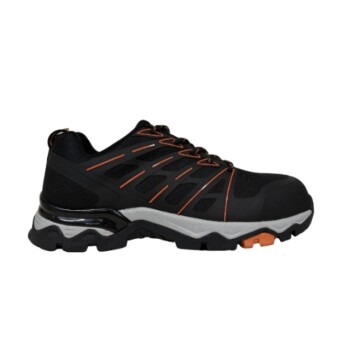
Incorporating modern aesthetics into safety footwear is a strategic method to align protective equipment with a worker's professional identity. By designing shoes that meet individual aesthetic preferences, organizations can significantly reduce unsafe behaviors that stem from cultural bias against traditional, unattractive gear.
The core benefit lies in psychological alignment: when safety gear reflects modern industrial aesthetics, it bridges the gap between organizational safety mandates and an individual's voluntary behavior.
The Intersection of Design and Safety Culture
Integrating Safety into Professional Identity
Historically, safety gear was viewed as a separate, often burdensome layer added to a worker's attire. Modern industrial design shifts this paradigm by integrating protection into the worker's self-image.
When safety shoes align with broader fashion trends and modern industrial aesthetics, they cease to be just "PPE" (Personal Protective Equipment). Instead, they become a seamless part of the worker's professional uniform and identity.
Reducing Cultural Bias and Resistance
A major barrier to safety compliance is "cultural bias"—the resistance to wearing items that feel outdated, clumsy, or culturally irrelevant. If protective equipment feels alien to a worker’s lifestyle, they are less likely to wear it consistently.
By adopting modern aesthetics, manufacturers remove the friction between the worker's personal preferences and safety requirements. This fosters a natural alignment between the organization's safety culture and the individual's daily choices.
Functional Benefits of Modern Industrial Design
Utilizing Advanced Materials
While the primary benefit is cultural alignment, modern design often brings functional advantages through "sneaker-style" engineering. The use of lightweight fabrics and shock-absorbing midsole structures replaces the heavy, rigid nature of traditional leather boots.
Optimizing Pressure Distribution
Industrial design principles focus on how the shoe interacts with the foot over long periods. Modern designs optimize foot pressure distribution and improve breathability. This technical improvement directly addresses foot fatigue, a common precursor to occupational accidents.
Understanding the Trade-offs
Durability vs. Weight
While modern, sneaker-style safety shoes offer superior aesthetics and reduced fatigue, they may face durability challenges in extreme environments compared to traditional heavy leather. Lightweight fabrics may not withstand abrasive chemicals or molten metal as effectively as dense leather.
The Perception of Protection
There is a potential psychological pitfall where "looking like a sneaker" might lead workers to underestimate the hazards of their environment. It is critical that the visual appeal does not mask the seriousness of the safety equipment's purpose.
Making the Right Choice for Your Team
To maximize the benefits of modern safety footwear, align your selection with your specific organizational goals:
- If your primary focus is Organizational Culture: Prioritize designs that mirror the off-the-clock aesthetic preferences of your workforce to increase voluntary compliance.
- If your primary focus is Accident Prevention: Select footwear with shock-absorbing structures and lightweight materials to minimize fatigue-related errors during long shifts.
The ultimate goal is to transform safety footwear from a mandatory constraint into a valued aspect of the professional toolkit.
Summary Table:
| Feature | Modern Industrial Design | Traditional Safety Gear |
|---|---|---|
| Aesthetic Appeal | High (Aligns with professional identity) | Low (Often viewed as burdensome) |
| Material Tech | Lightweight fabrics & shock absorption | Heavy leather & rigid structures |
| User Compliance | High (Voluntary adoption) | Low (Resistance due to cultural bias) |
| Physical Impact | Reduced fatigue & better pressure distribution | High foot fatigue during long shifts |
| Primary Goal | Cultural alignment & comfort | Basic physical protection |
Elevate Your Professional Safety Standards with 3515
As a large-scale manufacturer serving global distributors and brand owners, 3515 leverages cutting-edge industrial design to bridge the gap between high-performance protection and modern aesthetics. Our flagship Safety Shoes series is engineered to enhance worker compliance and reduce fatigue, ensuring your team stays protected without compromising their professional identity.
From our core safety line to specialized tactical boots, outdoor footwear, and formal dress shoes, we offer comprehensive production capabilities to meet your diverse bulk requirements. Partner with a manufacturer that understands the intersection of safety culture and functional design.
Contact 3515 Today to Discuss Your Bulk Requirements
References
- A. Nimo-Boakye. Reviewing Measuring Health And Safety Management Performance In The Construction Industry. DOI: 10.26437/ajar.03.2022.25
This article is also based on technical information from 3515 Knowledge Base .
Related Products
- Premium Suede Sport Safety Shoes for Wholesale & Bulk Orders
- Premium Lightweight Safety Shoes for Wholesale & Bulk Orders
- Wholesale Anti-Smash & Puncture-Proof Safety Shoes Custom Manufacturing for Brands
- Premium KPU Injection Athletic Style Safety Shoes
- Premium Safety Shoes with Rotating Buckle Safety Sneakers
People Also Ask
- What industries have specific OSHA footwear requirements? Ensure Compliance & Protect Your Workforce
- What are the primary functions of professional safety shoes? Maximize Safety in Water Supply Confined Spaces
- What role do specialized safety shoes play in preventing falls? Engineering Stability in Industrial Environments
- How do the 3R principles influence green footwear design? Master Sustainable Safety Shoe Manufacturing
- What happens during the cutting stage of safety shoes manufacturing? Precision, Process & Quality