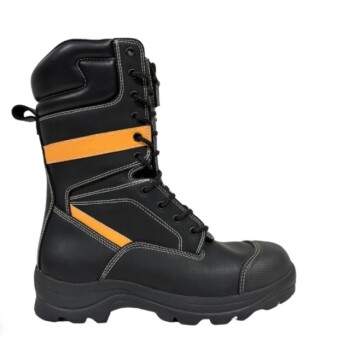
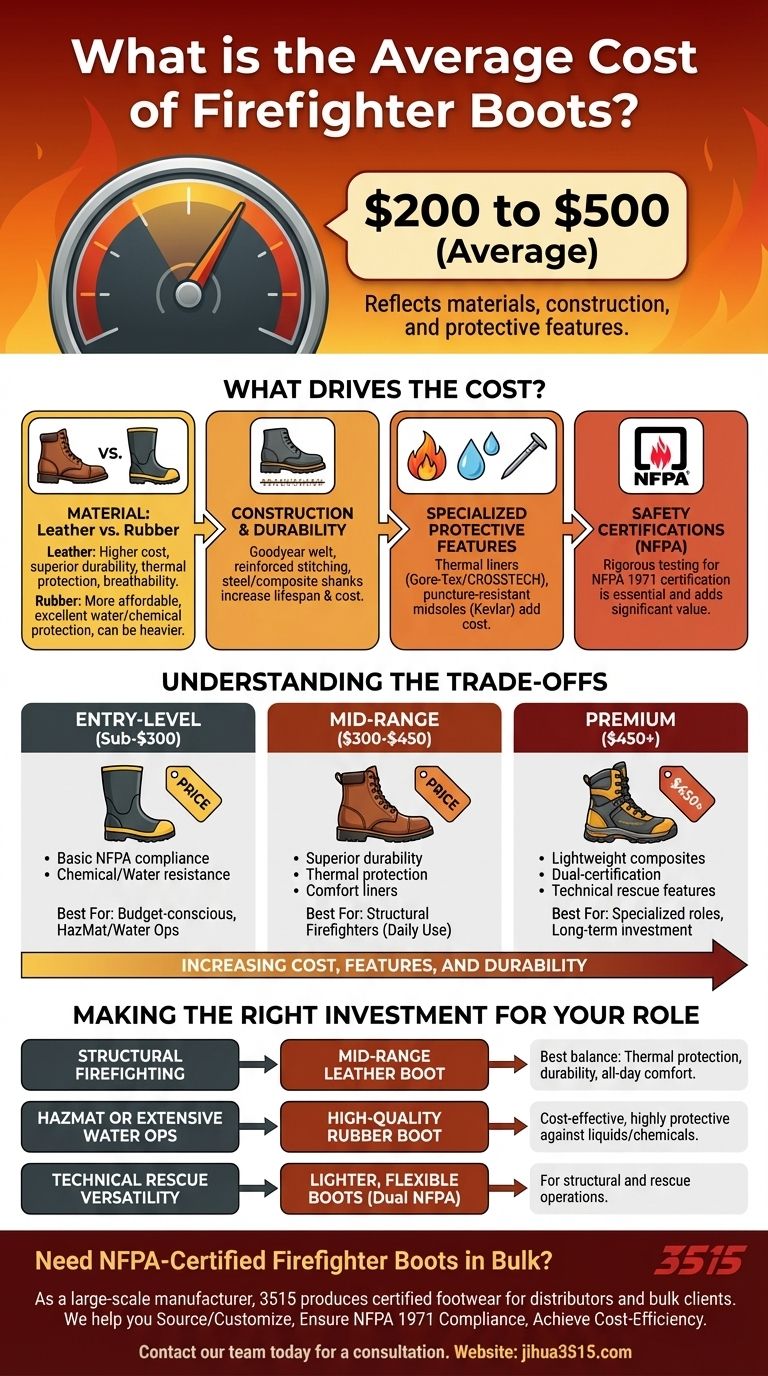
On average, firefighter boots cost between $200 and $500. This price range is not arbitrary; it directly reflects critical differences in materials, construction methods, and the specific protective features required for the immense demands of the job. Investing in appropriate, high-quality boots is a foundational element of a firefighter's personal protective equipment.
The price of firefighter boots is a direct indicator of their protective capabilities, durability, and intended use. Understanding what drives the cost—from the type of material to essential safety certifications—is the key to selecting the right boot that meets both your budget and non-negotiable safety standards.
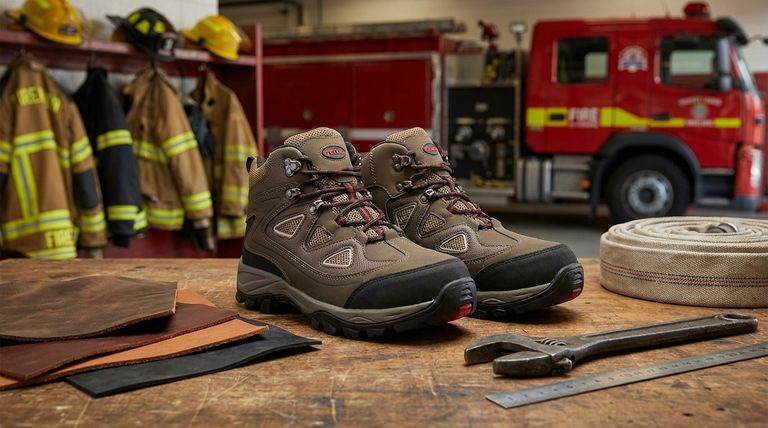
What Drives the Cost of Firefighter Boots?
The significant price variation is a result of deliberate engineering and material choices. Each component is designed to protect against specific, life-threatening hazards encountered on the fireground.
Material: Leather vs. Rubber
The primary material is one of the biggest cost factors. Leather boots are typically at the higher end of the price spectrum due to their superior durability, thermal protection, and breathability.
Rubber boots are generally more affordable and offer excellent protection against water and hazardous chemicals. However, they may offer less thermal insulation and can be heavier than their leather counterparts.
Construction and Durability
How a boot is assembled directly impacts its lifespan and cost. Features like a Goodyear welt construction, which allows for resoling, add to the initial price but can extend the boot's service life considerably.
Reinforced stitching, durable pull-on loops, and integrated steel or composite shanks for arch support also contribute to a higher price point by enhancing the boot's structural integrity.
Specialized Protective Features
Modern firefighter boots are packed with advanced safety technology. The inclusion of these features will increase the cost.
Common additions include thermal liners (like Gore-Tex or CROSSTECH), which provide a waterproof barrier while allowing moisture to escape, and puncture-resistant midsoles (often made of Kevlar) to protect against nails and sharp debris.
Safety Certifications (NFPA)
For a boot to be used in structural firefighting in the United States, it must meet or exceed the standards set by the National Fire Protection Association (NFPA).
The rigorous testing and high-performance materials required to achieve NFPA 1971 certification add a significant cost. This certification is your assurance that the boot has been proven to protect against thermal, physical, and liquid hazards.
Understanding the Trade-offs
Choosing a boot often means balancing cost against specific features and long-term value. While all certified boots provide a baseline of protection, what you pay for is often enhanced durability, comfort, and specialized performance.
Entry-Level Boots (Sub-$300)
Boots in this range are typically rubber and will meet all necessary NFPA standards for basic protection. They provide a cost-effective solution, especially for protection against water and chemicals, but may lack the comfort and long-term durability of more expensive models.
Mid-Range Boots ($300-$450)
This is the most common price range for quality leather boots. These models offer a strong balance of thermal protection, durability, and comfort features like padded collars and advanced liners. They represent a solid, long-term investment for most structural firefighters.
Premium Boots ($450+)
The highest-priced boots often feature advanced, lightweight composite materials for the safety toe and shank, reducing fatigue. They may also include dual certifications for specialized tasks like technical rescue or HazMat response, alongside superior comfort and fit.
Making the Right Investment for Your Role
Your choice should be dictated by your primary responsibilities, department requirements, and budget.
- If your primary focus is structural firefighting: A certified leather boot in the mid-range offers the best combination of thermal protection, durability, and all-day comfort.
- If you frequently handle hazardous materials or extensive water operations: A high-quality rubber boot is a cost-effective and highly protective choice.
- If your role demands versatility for technical rescue: Look for lighter, more flexible boots that may have dual NFPA certifications for both structural and rescue operations.
Ultimately, selecting the right firefighter boot is a critical investment in your personal safety and your ability to perform effectively when it matters most.
Summary Table:
| Price Range | Typical Material | Key Features | Best For |
|---|---|---|---|
| Sub-$300 | Rubber | Basic NFPA compliance, chemical/water resistance | Budget-conscious departments, HazMat/water ops |
| $300-$450 | Leather | Superior durability, thermal protection, comfort liners | Structural firefighters (daily use) |
| $450+ | Advanced Composites | Lightweight, dual-certification, technical rescue features | Specialized roles, long-term investment |
Need NFPA-Certified Firefighter Boots in Bulk?
As a large-scale manufacturer, 3515 produces a comprehensive range of certified footwear for distributors, brand owners, and bulk clients. We understand that the right boot is a critical investment in safety and performance.
We can help you:
- Source or Customize boots tailored to your specific needs (structural, HazMat, or rescue).
- Ensure NFPA 1971 Compliance with rigorously tested materials and construction.
- Achieve Cost-Efficiency without compromising on the protective features your team requires.
Let's discuss your requirements and how our production capabilities can deliver the durable, high-performance footwear you need. Contact our team today for a consultation.
Visual Guide
Related Products
- High Performance Fire-Retardant Waterproof Safety Boots
- Premium Flame-Retardant Waterproof Safety Boots and Shoes
- Durable Military Combat Boots with Water Drainage for Wholesale & OEM
- Wholesale Lightweight Tactical Boots Custom Manufacturer for Desert & Combat Use
- High-Traction Suede Tactical Boots Wholesale & Custom Manufacturing
People Also Ask
- Why are waterproof safety boots recommended for certain work environments? Essential Protection for Wet & Hazardous Jobs
- What roles do 3D vision systems and industrial robots play in the manufacturing of fire safety boots? Smart Automation
- What are the drawbacks of waterproof boots? The Breathability vs. Protection Trade-Off
- What are the primary benefits of incorporating waterproof technology into professional and outdoor boots? Boost Value
- What is a drawback of waterproof boots? The Hidden Cost of Trapped Sweat and Heat