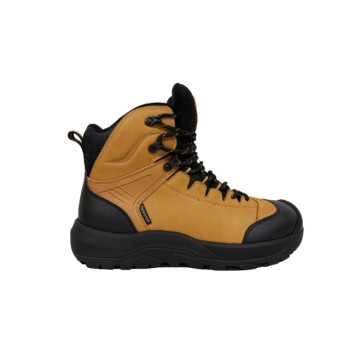
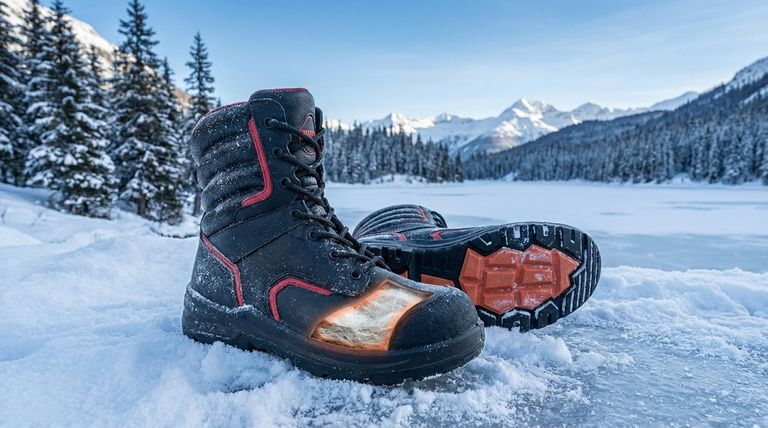
At its core, 3M Thinsulate is a synthetic insulation material engineered to provide exceptional warmth without the bulk associated with traditional materials. For snow boots, this is a critical advantage. It means your feet stay warm and dry in harsh winter conditions, but the boots themselves remain lightweight and flexible, avoiding the heavy, clumsy feeling of older winter footwear.
The true benefit of Thinsulate in snow boots is not just warmth, but efficient warmth. It traps heat more effectively than thicker, heavier materials, resulting in boots that are less cumbersome and more comfortable for active use.
How Thinsulate Delivers Warmth Without Weight
The effectiveness of Thinsulate lies in its unique microscopic structure. It's not about thickness, but about intelligent design.
The Power of Microfibers
3M Thinsulate is constructed from extremely fine synthetic microfibers. These fibers are far denser than those found in traditional insulation, creating a much tighter web.
Trapping Air, Not Moisture
This dense web of microfibers creates millions of tiny air pockets. These pockets trap the radiant heat your body naturally produces, preventing it from escaping and keeping your feet warm.
Crucially, the synthetic fibers are hydrophobic, meaning they resist water absorption. This helps keep your feet dry from both external snow and internal sweat, which is essential for maintaining warmth.
A Superior Warmth-to-Weight Ratio
The result of this microfiber structure is a high warmth-to-weight ratio. Thinsulate provides more insulation per unit of thickness compared to materials like felt or even some natural downs, allowing boot manufacturers to create protective footwear that doesn't weigh you down.
Key Benefits for Snow Boot Performance
Choosing a snow boot with Thinsulate insulation directly impacts its comfort, usability, and longevity.
Enhanced Mobility and Comfort
Because the insulation is so thin, the boot can be more flexible and less rigid. This reduces foot fatigue and makes walking, hiking, or working feel more natural and less restrictive.
Consistent Warmth When Wet
Unlike some natural insulation materials that lose their thermal properties when damp, Thinsulate maintains a significant portion of its insulating ability even when wet. This provides a crucial safety and comfort margin in snowy, slushy conditions.
Long-Term Durability
Thinsulate is engineered to withstand the repeated compression that occurs with every step. It resists packing down over time, ensuring the boot retains its insulating properties for years of use.
Understanding Thinsulate Ratings
The amount of insulation in a boot is measured in grams per square meter of material. This rating is a key indicator of the conditions for which the boot is designed.
What the Grams Mean
A higher gram rating indicates a greater amount of insulation fibers and, therefore, more warmth. It's a straightforward way to compare the thermal performance of different boots.
Common Insulation Levels for Footwear
- 200g: Best for cool conditions or high-exertion activities like winter hiking or snowshoeing, where your body is generating significant heat.
- 400g: Considered the all-purpose standard for winter boots. It provides substantial warmth for cold days and moderate activity levels.
- 600g - 800g+: Designed for very cold, arctic-like conditions or for sedentary activities like ice fishing, where you need maximum heat retention.
Making the Right Choice for Your Goal
The right amount of insulation depends entirely on how you plan to use your boots.
- If your primary focus is active winter sports: Look for boots with 200g to 400g of Thinsulate for the ideal balance of warmth and breathability.
- If your primary focus is everyday winter wear: A 400g Thinsulate boot offers the perfect all-purpose warmth for most commuting and casual use.
- If your primary focus is extreme cold or low activity: Prioritize boots with 600g or more to ensure your feet stay warm when you're not moving.
Ultimately, Thinsulate empowers you to select boots based on your activity, not just the thermometer, ensuring your feet remain both warm and comfortable.
Summary Table:
| Feature | Benefit for Snow Boots |
|---|---|
| Microfiber Structure | Creates millions of tiny air pockets for efficient heat retention. |
| High Warmth-to-Weight Ratio | Provides maximum insulation with minimal bulk and weight. |
| Hydrophobic Fibers | Resists water absorption, keeping feet dry and warm even when wet. |
| Durability | Resists compression, maintaining insulating power over the long term. |
| Flexibility | Allows for more natural movement and reduced foot fatigue. |
As a large-scale manufacturer, 3515 produces a comprehensive range of footwear for distributors, brand owners, and bulk clients. We specialize in integrating high-performance materials like 3M Thinsulate into our snow boots to deliver the perfect balance of warmth, weight, and durability your customers demand. Our production capabilities encompass all types of shoes and boots. Ready to develop your next best-selling winter boot line? Contact our expert team today to discuss your specific needs and leverage our manufacturing expertise.
Visual Guide
Related Products
- Premium Insulated Safety Boots and Shoes for Wholesale & Bulk Orders
- Factory Direct Wholesale Rain Boots Durable Waterproof & Fully Customizable
- Premium Wholesale Tactical Style Safety Shoes Boots with Quick Lacing
- Durable Leather Tactical Boots Wholesale & Custom Manufacturing for Brands
- Durable High-Ankle Tactical Boots Wholesale Manufacturer for Custom & Bulk Orders
People Also Ask
- What are the recommended insulation ratings for mild winter conditions? A Guide for Active & Stationary Workers
- How does insulation thickness correlate with temperature ranges? A Guide to Choosing the Right Warmth
- What insulation level is needed for severe cold and stationary work? 1200g or Higher is Essential
- What safety advantages do insulated boots offer beyond warmth? Dielectric Protection & Superior Grip
- How does fleece lining contribute to the warmth of insulated boots? Trapping Air for Superior Cold Protection