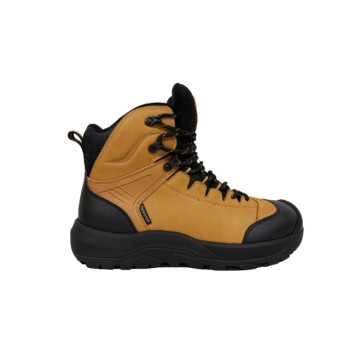
High-performance winter riding boots represent a sophisticated balance between thermal protection and equestrian precision. To protect riders in cold weather, these boots incorporate high-efficiency thin insulation, integrated waterproof membranes, and specialized high-traction outsoles. Unlike standard snow boots, these features are engineered to maintain a slim profile, ensuring the rider retains critical contact and sensitivity with the horse's flank while remaining warm and dry.
To successfully market winter riding boots, distributors must prioritize products that offer "warmth without bulk." The core insight is that effective cold-weather protection in an equestrian context relies on technical materials that manage moisture and retain heat while preserving the boot's functional shape for stirrup use.
Advanced Thermal Regulation Technologies
High-Efficiency, Low-Bulk Insulation
The primary challenge in winter riding boot design is providing warmth without interfering with the rider's leg position. High-efficiency warm padding is used to provide significant thermal resistance while maintaining a thin profile. This allows for precise communication between the rider and the horse, a feature that differentiates professional-grade boots from generic winter footwear.
Premium Interior Linings
For enterprise-level product lines, manufacturers often utilize natural and synthetic linings such as sheepskin, teddy fleece, or felt. These materials create an internal microclimate that traps heat while remaining breathable. Utilizing a rich heritage of craftsmanship since 1951, leading manufacturers can expertly integrate these linings to prevent bunching or discomfort.
Removable Liner Systems for Extreme Cold
In conditions reaching below -20°C, boots often feature removable inner liners. This modular approach allows for easier drying and customizable warmth levels. This versatility is highly valued by wholesalers catering to diverse climates and professional stable environments.
Moisture Barriers and Structural Integrity
Integrated Waterproofing and Stitched Tongues
To combat slush and snow, premium boots employ waterproof exteriors and specialized construction techniques. Stitched boot tongues are a critical functional feature, preventing moisture and debris from entering through the lace or zip gaps. This ensures the foot remains dry, which is the first line of defense against frostbite.
Wind Resistance and Material Durability
Winter riding demands materials that can withstand harsh wind chill and abrasive stable environments. Modern OEM/ODM capabilities allow for the use of wind-resistant synthetics and treated leathers that provide a robust barrier against the elements. These materials are tested against international standards to ensure consistent performance in large-volume deliveries.
Adjustable Closures for Heat Retention
Features such as laces, buckles, and Velcro straps allow riders to customize the fit. This adjustability is not just for comfort; a snug fit around the calf and ankle prevents cold air from circulating downward. High-top, below-the-knee designs further enhance this protection by covering a greater surface area of the leg.
Traction and Safety in Winter Conditions
Specialized High-Traction Outsoles
Standard riding soles are often slick, which is dangerous on ice or packed snow. Winter models incorporate non-slip soles with tread designs similar to winter tires. These outsoles provide the necessary grip for leading horses across frozen yards while remaining narrow enough to fit safely in a stirrup.
Safety Reflectors and Ankle Support
Short winter days necessitate increased visibility; many boots now include integrated reflectors for safety during low-light riding. Additionally, high ankle support protects the rider from injury on uneven, frozen ground. These features are essential for distributors looking to offer a comprehensive, safety-conscious product range.
Understanding the Trade-offs
Sensitivity vs. Thermal Mass
The most significant trade-off in winter riding boots is between insulation thickness and leg sensitivity. While thicker insulation offers more warmth, it can deaden the rider's feel for the horse. Professional-grade boots solve this by using more expensive, high-density materials that provide warmth at a fraction of the thickness.
Breathability vs. Absolute Waterproofing
A boot that is 100% waterproof but lacks breathability will cause the foot to sweat, eventually leading to cold feet. Balancing a waterproof membrane with moisture-wicking properties is technically difficult and increases production costs. Lower-tier boots often sacrifice breathability, leading to discomfort during active riding sessions.
How to Apply This to Your Inventory Strategy
Making the Right Choice for Your Goal
- If your primary focus is high-performance sport riding: Prioritize boots with high-efficiency thin padding and a slim profile to ensure the rider maintains maximum sensitivity and contact with the horse.
- If your primary focus is stable management and utility: Look for models featuring removable liners, high-traction outsoles, and robust waterproofing to withstand long hours in snow and slush.
- If your primary focus is extreme cold weather (below -20°C): Source below-the-knee lace-up designs with sheepskin linings and specialized "winter tire" tread patterns for maximum heat retention and grip.
By sourcing boots that integrate these advanced functional features, distributors can provide a product that meets the rigorous demands of both professional and recreational winter riding.
Summary Table:
| Feature Category | Key Technologies & Materials | Primary Benefit for the Rider |
|---|---|---|
| Thermal Regulation | Low-bulk thin padding, Sheepskin/Fleece linings | Maximum warmth without losing leg sensitivity |
| Moisture Barrier | Waterproof membranes & Stitched tongues | Keeps feet dry and prevents frostbite in snow |
| Traction & Safety | Winter-tread outsoles & Integrated reflectors | Secure grip on ice and visibility in low light |
| Structural Fit | Adjustable laces, buckles, and ankle support | Prevents heat loss and protects on frozen terrain |
| Modularity | Removable inner liner systems | Easy drying and adaptable for extreme cold (-20°C) |
Partner with a Global Manufacturing Leader
As a large-scale manufacturer serving distributors and brand owners since 1951, 3515 offers comprehensive production capabilities for all footwear types. Anchored by our flagship Safety Shoes series, our extensive portfolio covers work and tactical boots, outdoor shoes, training shoes, and sneakers, as well as Dress & Formal shoes to meet your diverse bulk requirements.
For distributors and wholesalers seeking high-performance winter riding boots, we provide:
- Premium OEM/ODM Capabilities: Custom designs tailored to your brand's technical specifications.
- Enterprise-Level Scale: State-of-the-art equipment capable of consistent, large-volume delivery.
- Certified Quality: International certifications ensuring performance in the harshest climates.
- Supply Chain Stability: A rich heritage of reliability and robust logistics support.
Ready to elevate your inventory with professional-grade winter footwear? Contact us today to discuss your wholesale needs!
Related Products
- Premium Insulated Safety Boots and Shoes for Wholesale & Bulk Orders
- Factory Direct Wholesale Rain Boots Durable Waterproof & Fully Customizable
- Durable Waterproof Rain Boots | Custom Manufacturer for Wholesale & Brands
- Heavy-Duty Waterproof Nubuck Safety Boots Safety Shoes for Bulk Supply
- Wholesale Waterproof Tactical Boots Custom Suede & High-Traction Soles
People Also Ask
- What are the recommended insulation ratings for mild winter conditions? A Guide for Active & Stationary Workers
- How does insulation thickness correlate with temperature ranges? A Guide to Choosing the Right Warmth
- What insulation level is needed for severe cold and stationary work? 1200g or Higher is Essential
- What safety advantages do insulated boots offer beyond warmth? Dielectric Protection & Superior Grip
- How does fleece lining contribute to the warmth of insulated boots? Trapping Air for Superior Cold Protection