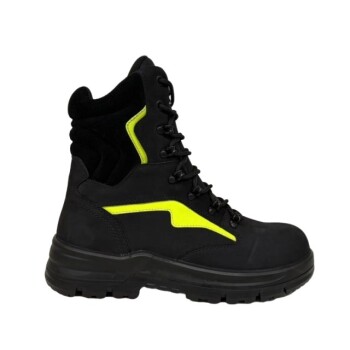
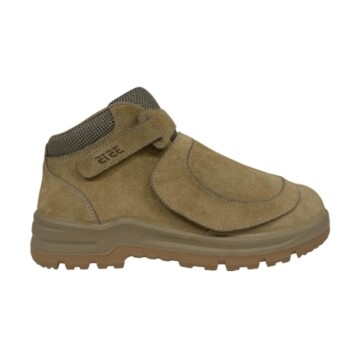
Specialized protective boots function as an impermeable physical barrier that prevents the transdermal absorption of neurotoxic chemicals. By blocking liquid splashes, leaks, and contaminated runoff from contacting the skin of the lower limbs, these boots stop high-concentration solutions of organophosphates and carbamates from entering the bloodstream and triggering a cholinergic toxic reaction.
Core Insight: The primary danger of many herbicides and pesticides lies in their strong transdermal absorption properties. Specialized boots do not merely keep feet dry; they sever the most common pathway of systemic poisoning—skin contact—by utilizing chemically inert materials to block neurotoxins from soaking into the body.
The Mechanism of Exposure Control
Blocking Transdermal Absorption
Many pesticides, specifically organophosphates and carbamates, are designed to be potent. Unfortunately, they possess strong transdermal properties, meaning they can pass through human skin directly into the bloodstream.
Specialized boots create a seal against this threat. They ensure that during the handling of high-concentration solutions, any accidental spills or splashes onto the lower limbs are deflected rather than absorbed.
Managing Environmental Accumulation
In agricultural settings, particularly paddy fields, the risk extends beyond direct splashes. These environments contain significant amounts of water, mud, and surface runoff where pesticides accumulate and concentrate.
Standard footwear would quickly become saturated in these conditions. Specialized protective boots, such as closed rubber variants, provide a continuous barrier against this contaminated sludge, preventing prolonged exposure to dissolved chemicals.
Addressing the Cholinergic Threat
Preventing Systemic Toxicity
A cholinergic toxic reaction is a severe neurological response to certain chemical agents. It occurs when neurotoxins inhibit enzymes necessary for proper nerve function.
By preventing the chemical from entering the body through the skin, specialized boots act as the first line of defense against this systemic failure. They ensure the toxic burden on the body remains at zero, effectively neutralizing the risk of a reaction before it can begin.
Physical Resilience as a Safety Factor
Chemical barriers must also withstand physical stress. Agricultural environments are often harsh, presenting risks of abrasion and punctures.
If protective gear is compromised by a puncture, the chemical barrier is lost. Therefore, these boots combine chemical inertness with physical durability to maintain integrity even when navigating rough terrain or underwater hazards.
Common Pitfalls to Avoid
Misunderstanding Material Resistance
Not all waterproof boots are chemical-resistant. Standard consumer rubber or leather can degrade rapidly when exposed to harsh herbicides, potentially allowing chemicals to seep through unnoticed.
The Risk of Inadequate Coverage
Using footwear that does not fully seal the lower leg leaves the ankles vulnerable to splashes and runoff. Effective protection requires "closed" designs that integrate with chemical-resistant trousers to eliminate any gaps in the armor.
Ensuring Effective Protection
To maximize safety and prevent toxic reactions, select gear based on your specific operational environment.
- If your primary focus is handling concentrates: Prioritize boots with certified chemical resistance to block high-potency splashes and leaks.
- If your primary focus is field application: Ensure the footwear offers high physical resistance against punctures and abrasion to maintain barrier integrity in mud or water.
- If your primary focus is total exposure control: Integrate boots with chemical-resistant trousers to create a seamless shield against surface runoff.
The most effective protection against neurotoxicity is a barrier that never fails.
Summary Table:
| Feature | Protective Function | Benefit |
|---|---|---|
| Impermeable Material | Blocks organophosphates & carbamates | Prevents transdermal neurotoxin absorption |
| Physical Resilience | Resists punctures and abrasions | Maintains barrier integrity in harsh terrain |
| Seamless Design | Deflects liquid splashes and runoff | Eliminates skin contact with high-potency chemicals |
| Chemical Inertness | Prevents material degradation | Ensures long-term safety against corrosive herbicides |
Secure Your Workforce with Professional Protective Footwear
As a large-scale manufacturer serving distributors and brand owners, 3515 offers comprehensive production capabilities for all footwear types, anchored by our flagship Safety Shoes series. Our specialized protective boots are engineered to provide the ultimate physical and chemical barrier against agricultural neurotoxins, ensuring total exposure control for your customers.
From tactical boots to specialized safety footwear, our extensive portfolio covers work and training shoes designed to meet diverse bulk requirements with uncompromising quality.
Ready to enhance your product line with industry-leading protection? Contact us today to discuss your bulk manufacturing needs
References
- Suresh R. Naik, Amisha Mahesh Bhopatrao. Chemical health hazards and toxicity of environmental pollutants on humans, animals and others: An overview. DOI: 10.59400/jts.v2i1.1135
This article is also based on technical information from 3515 Knowledge Base .
Related Products
- Wholesale Customizable Safety Boots Durable & Protective Footwear Manufacturing
- Premium Grain Leather Safety Boots for Bulk Supply
- Premium Wholesale Tactical Style Safety Shoes Boots with Quick Lacing
- Premium Wholesale Waterproof Safety Boots High Performance Protection for Industrial Markets
- Wholesale Durable Safety Boots | Custom Steel Toe & Puncture-Resistant Manufacturing
People Also Ask
- Why are industrial safety boots with steel toes necessary for machine operators? Essential Foot Protection for Safety
- What is the history of steel toe work boots? From German Invention to Modern Safety Standard
- What are the different types of steel toe work boots? Choose the Right Boot for Your Job
- What are the pros and cons of steel toe work boots? A Guide to Maximum Protection vs. Comfort
- What styles can safety toe work boots come in? From Classic to Casual, Find Your Perfect Fit