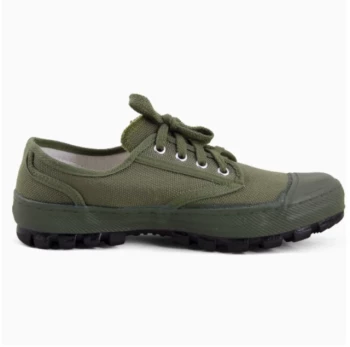
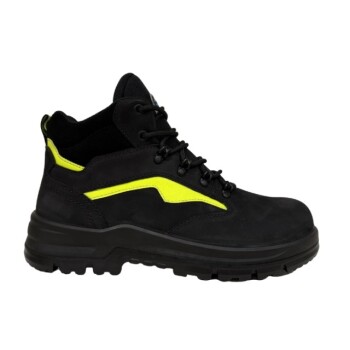
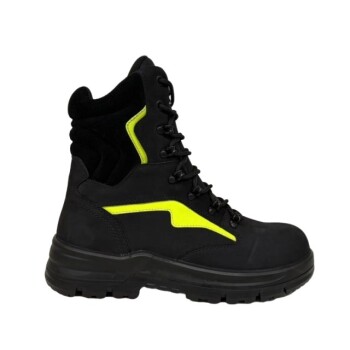
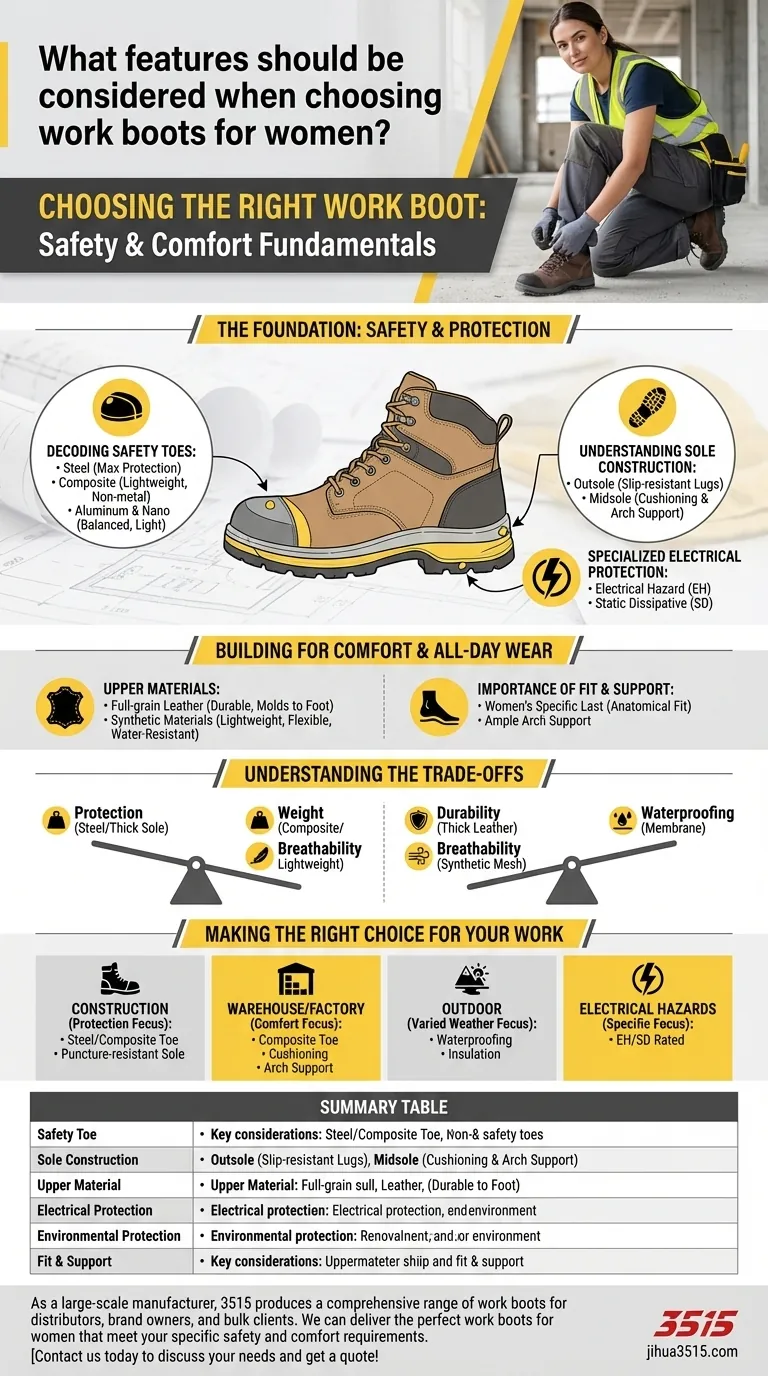
Choosing the right work boot involves looking beyond style to a core set of features that ensure safety and comfort. The most critical elements to consider are the type of safety toe (steel, composite, or aluminum), the sole's construction for slip resistance and support, the upper material's durability, and environmental protections like waterproofing or insulation. These features must align directly with the specific hazards and demands of your job.
The most effective work boot is not the one with the most features, but the one with the right features for your specific environment. The goal is to create a perfect match between the boot's capabilities and the daily challenges you face.
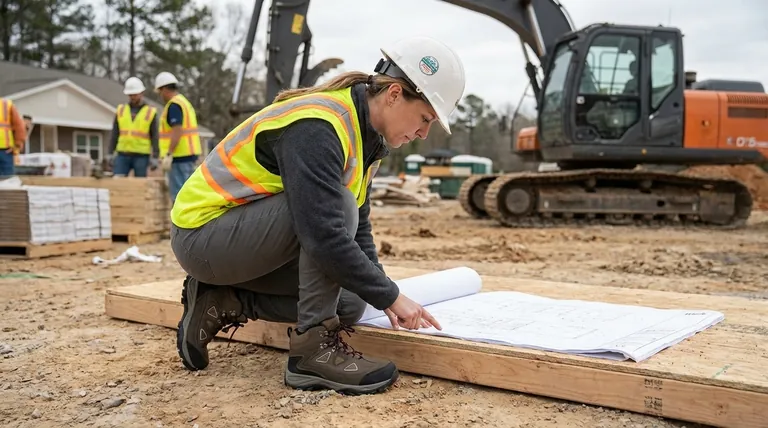
The Foundation: Safety and Protection
Your first priority must be mitigating the specific risks of your workplace. The boot's fundamental protective features are non-negotiable and are often required by safety regulations.
Decoding Safety Toes
The safety toe is your primary defense against impact and compression. Each type offers a distinct balance of protection and weight.
- Steel Toes provide the maximum protection against heavy impacts. They are the traditional standard but are also the heaviest option and can conduct cold in low temperatures.
- Composite Toes are made from non-metal materials like carbon fiber, plastic, or Kevlar. They are significantly lighter than steel, don't conduct heat or cold, and won't set off metal detectors, making them ideal for certain secure or electrical environments.
- Aluminum & Nano Toes offer a lightweight alternative to steel while still meeting safety standards. They provide a good balance of protection and comfort but can be more expensive.
Understanding Sole Construction
The sole is the boot's connection to the ground, responsible for traction, support, and shock absorption. It consists of two key parts.
- The outsole is the bottom layer that makes contact with surfaces. Look for deep lugs and a slip-resistant rating appropriate for your environment (e.g., oil and slip-resistant for workshops).
- The midsole provides cushioning and arch support, which is critical for reducing fatigue during long hours on your feet, especially on hard surfaces like concrete.
Specialized Electrical Protection
For some professions, electrical protection is essential. It's crucial to know the difference.
- Electrical Hazard (EH) rated boots are designed to protect you from accidental contact with live electrical circuits.
- Static Dissipative (SD) boots reduce the buildup of static electricity in your body, protecting sensitive electronic equipment from damage.
Building for Comfort and All-Day Wear
Once safety requirements are met, the focus shifts to features that ensure the boot remains comfortable and durable through long workdays.
The Role of Upper Materials
The "upper" is the main body of the boot. The material dictates its durability, flexibility, and resistance to the elements.
- Full-grain leather is highly durable, breathable, and molds to your foot over time for a custom fit.
- Synthetic materials like nylon and advanced textiles offer lighter weight, increased flexibility, and are often more water-resistant from the start.
The Importance of Fit and Support
Comfort is a critical safety feature; a painful boot is a distraction. A proper fit prevents blisters and fatigue.
Women's work boots are specifically designed on a "last," or foot model, that accounts for the general anatomical differences in women's feet, ensuring a more precise and comfortable fit than a smaller men's size. Look for ample arch support to distribute pressure evenly.
Understanding the Trade-offs
Choosing a work boot is an exercise in balancing competing priorities. Understanding these trade-offs is key to making an informed decision.
Protection vs. Weight
Heavier boots with steel toes and thick, puncture-resistant soles offer maximum protection. However, that extra weight can lead to significant foot and leg fatigue by the end of the day. A lighter composite-toe boot might be a better choice if your impact risk is lower.
Durability vs. Breathability
Tough, thick leather is exceptionally durable and protective but can be warm and less breathable. Lighter synthetic or mesh-paneled boots offer better airflow for hot environments but may not withstand the same level of abrasion.
Waterproofing vs. Airflow
A fully waterproof membrane is essential for consistently wet conditions, but it can trap sweat and heat. If you only face occasional splashes, a water-resistant treatment on a more breathable boot may provide a better balance of comfort.
Making the Right Choice for Your Work
Select your boot by prioritizing features that solve the biggest challenges of your workday.
- If your primary focus is protection on a construction site: Prioritize a certified safety toe (steel or composite) and a puncture-resistant, high-traction sole.
- If your primary focus is all-day comfort in a warehouse or factory: Look for a lightweight composite toe, excellent arch support, and a well-cushioned midsole.
- If your primary focus is working outdoors in varied weather: Select boots with a reliable waterproofing system and consider insulation based on your climate.
- If your primary focus is working around electrical hazards: Ensure your boots have the correct EH or SD rating required for your specific environment.
By aligning these core features with the reality of your workday, you invest not just in a boot, but in your long-term safety and well-being.
Summary Table:
| Feature | Key Considerations |
|---|---|
| Safety Toe | Steel (max protection), Composite (lightweight), Aluminum (balanced) |
| Sole Construction | Outsole (slip resistance), Midsole (cushioning & arch support) |
| Upper Material | Full-grain leather (durable), Synthetics (lightweight & flexible) |
| Electrical Protection | EH (electrical hazard), SD (static dissipative) |
| Environmental Protection | Waterproofing, Insulation (for cold/wet conditions) |
| Fit & Support | Designed for women's anatomy, proper arch support for all-day comfort |
As a large-scale manufacturer, 3515 produces a comprehensive range of work boots for distributors, brand owners, and bulk clients. We can deliver the perfect work boots for women that meet your specific safety and comfort requirements, from steel-toe protection for construction sites to lightweight composite options for warehouse comfort. Let us help you equip your workforce with durable, reliable footwear.
Contact us today to discuss your needs and get a quote!
Visual Guide
Related Products
- Wholesale Leather Work Boots with Customizable Wedge Sole for Brands
- Durable Leather Work Boots for Wholesale & Custom Manufacturing
- Durable Leather Moc Toe Work Boots for Wholesale & Custom Manufacturing
- Durable Leather Work Boots for Wholesale & Custom OEM Manufacturing
- Durable Moc Toe Wedge Sole Work Boots for Wholesale and Private Label
People Also Ask
- What is the difference between full-grain and top-grain leather? Premium Material Guide for Boot Manufacturers
- What are the advantages of leather as an upper material for work boots? Unmatched Durability & Custom Comfort
- How can leather work boots be protected from environmental elements? A 3-Step Guide to Lasting Durability
- What is the complete process for deep cleaning leather work boots? A Step-by-Step Guide to Preserve Your Investment
- What are the key qualities of leather for work boots? Superior Durability, Breathability & Custom Fit