
Packer boots are primarily made suitable for various weather conditions through the integration of water-resistant materials and slip-resistant soles. These foundational features allow them to adapt to changing environments, keeping the wearer dry and secure.
Robust footwear like packer boots is engineered with a combination of material science and design principles to offer reliable protection across diverse weather challenges. Their suitability stems from features that manage moisture, ensure traction, and provide thermal comfort, making them a versatile choice for outdoor activities.
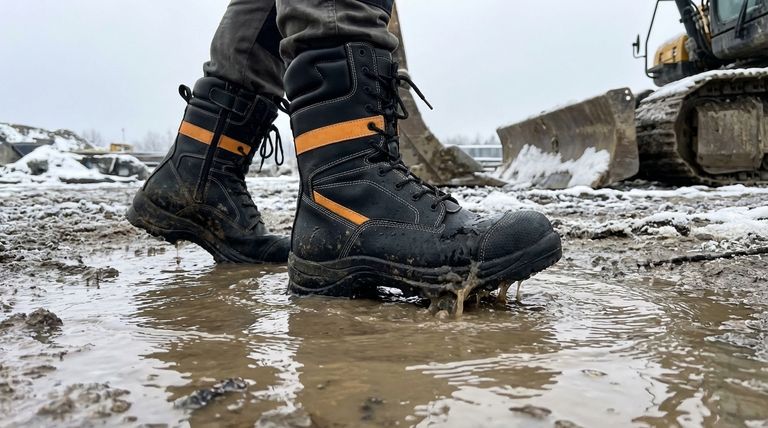
Engineering for All-Weather Performance
Packer boots incorporate several key design and material choices to ensure functionality and comfort across different climatic conditions. These features address moisture, traction, and thermal regulation.
Managing Moisture
Keeping feet dry is paramount in any weather, preventing discomfort and potential foot ailments. Packer boots achieve this through various protective layers.
Water-Resistant Exteriors
Many packer boots utilize water-resistant leather or other treated fabrics. This material actively repels light rain and splashes, preventing immediate saturation. This capability is crucial for maintaining comfort in damp conditions.
Waterproofing for Extreme Wet
For extremely wet environments, some packer boots, or comparable robust boots, feature fully waterproof constructions. These designs employ membranes or sealed seams to entirely block water penetration, keeping feet dry even when fully submerged or exposed to heavy precipitation. This helps prevent issues like trench foot.
Quick-Dry Properties
While the primary focus is often on keeping water out, some materials used in boot construction can also have quick-dry properties. This helps prevent prolonged discomfort if moisture does get inside, or when the boots are drying out after use.
Ensuring Traction and Stability
Secure footing is essential, particularly on challenging or slippery surfaces. Packer boots are designed with specialized soles to maximize grip.
Enhanced Grip on Varied Surfaces
Packer boots are equipped with slip-resistant soles featuring distinct tread patterns. These designs are crafted to provide reliable traction on both dry and wet terrains, preventing slips and falls. This is critical for navigating uneven or slick ground.
Specialized Treads for Snow and Ice
For winter conditions, some boots incorporate deep tread designs similar to winter tires. These specialized outsoles are engineered to bite into snow and ice, offering superior grip and stability in freezing temperatures. This minimizes the risk of losing footing on frozen surfaces.
Providing Thermal Regulation
Protection against cold is another critical aspect of all-weather footwear. Insulation helps maintain a comfortable foot temperature.
Insulation for Cold Weather
Many boots designed for varied conditions include insulation in their lining. This thermal barrier traps warm air, providing essential warmth in cold climates and protecting against conditions like frostbite. The level of insulation varies depending on the intended temperature range.
Height for Added Warmth and Protection
Taller boot designs, such as below-the-knee lace-up boots, offer enhanced warmth and protection. Their increased height helps to prevent snow and cold air from entering the boot, and the additional material provides extra insulation for the lower leg.
Durability and Comfort
Beyond specific weather features, the overall construction contributes to long-term performance and wearer well-being.
Robust Construction
The materials and assembly methods used in packer boots result in a durable construction. This ensures the boots can withstand harsh environmental conditions and rigorous use over time, maintaining their protective qualities. This robustness is essential for outdoor and work environments.
Preventing Foot Injuries
The protective features, including sturdy materials and good support, help to prevent foot injuries. By keeping feet dry, warm, and stable, these boots contribute to overall foot health and reduce the risk of strain or cold-related issues.
Understanding the Trade-offs
While packer boots are versatile, it's important to recognize their limitations and the compromises inherent in all-purpose design.
Water-Resistance vs. Waterproofing
There is a crucial distinction between water-resistant and waterproof. Water-resistant materials repel some moisture but can be overwhelmed in heavy rain or prolonged exposure, whereas waterproof designs offer a complete barrier. Relying solely on water-resistance in extremely wet conditions can lead to damp feet.
Insulation and Bulk
The addition of significant insulation, especially for extreme cold, can increase the bulk and weight of the boot. While beneficial for warmth, this can sometimes reduce agility or breathability in milder conditions, leading to overheating.
Versatility vs. Specialization
A boot designed for "various conditions" is a jack-of-all-trades. It may not perform as optimally as a highly specialized boot, such as a dedicated mountaineering boot for extreme ice or a lightweight tactical boot for rapid movement in dry conditions. Choosing one boot for all scenarios always involves some compromise in peak performance for specific niche conditions.
Making the Right Choice for Your Goal
Selecting the appropriate footwear hinges on prioritizing your most frequent needs and the specific challenges you expect to encounter.
- If your primary focus is general outdoor versatility in unpredictable weather: Look for packer boots with good water-resistant materials and robust, slip-resistant soles for balanced protection.
- If your primary focus is extreme cold and snow: Prioritize boots with high levels of insulation, tall designs, and specialized deep-tread outsoles for maximum warmth and grip on ice.
- If your primary focus is extremely wet environments: Opt for fully waterproof boots with sealed seams to guarantee dry feet, even if it means slightly less breathability.
- If your primary focus is lightweight agility and breathability in damp conditions: Choose options that balance water resistance with lighter, possibly quick-drying materials, acknowledging their limits in heavy downpours.
By understanding the specific features and their trade-offs, you can confidently select footwear that empowers you to face any weather condition.
Summary Table:
| Feature | Purpose | Key Benefit |
|---|---|---|
| Water-Resistant/Waterproof Materials | Repels moisture from rain and snow | Keeps feet dry, prevents discomfort and foot ailments |
| Slip-Resistant Soles | Provides grip on wet, uneven, or icy surfaces | Enhances stability and prevents slips and falls |
| Insulated Lining | Traps body heat inside the boot | Offers essential warmth and protection against cold weather |
| Durable Construction | Withstands harsh conditions and rigorous use | Ensures long-term performance and value |
Need Reliable Footwear for Your Team or Brand?
As a large-scale manufacturer, 3515 produces a comprehensive range of durable footwear for distributors, brand owners, and bulk clients. Our production capabilities encompass all types of work boots and shoes, including packer boots engineered with the precise features discussed above.
We can help you provide your customers with footwear that combines weather protection, comfort, and long-lasting durability.
Let's discuss your specific needs: Contact 3515 today for expert manufacturing solutions.
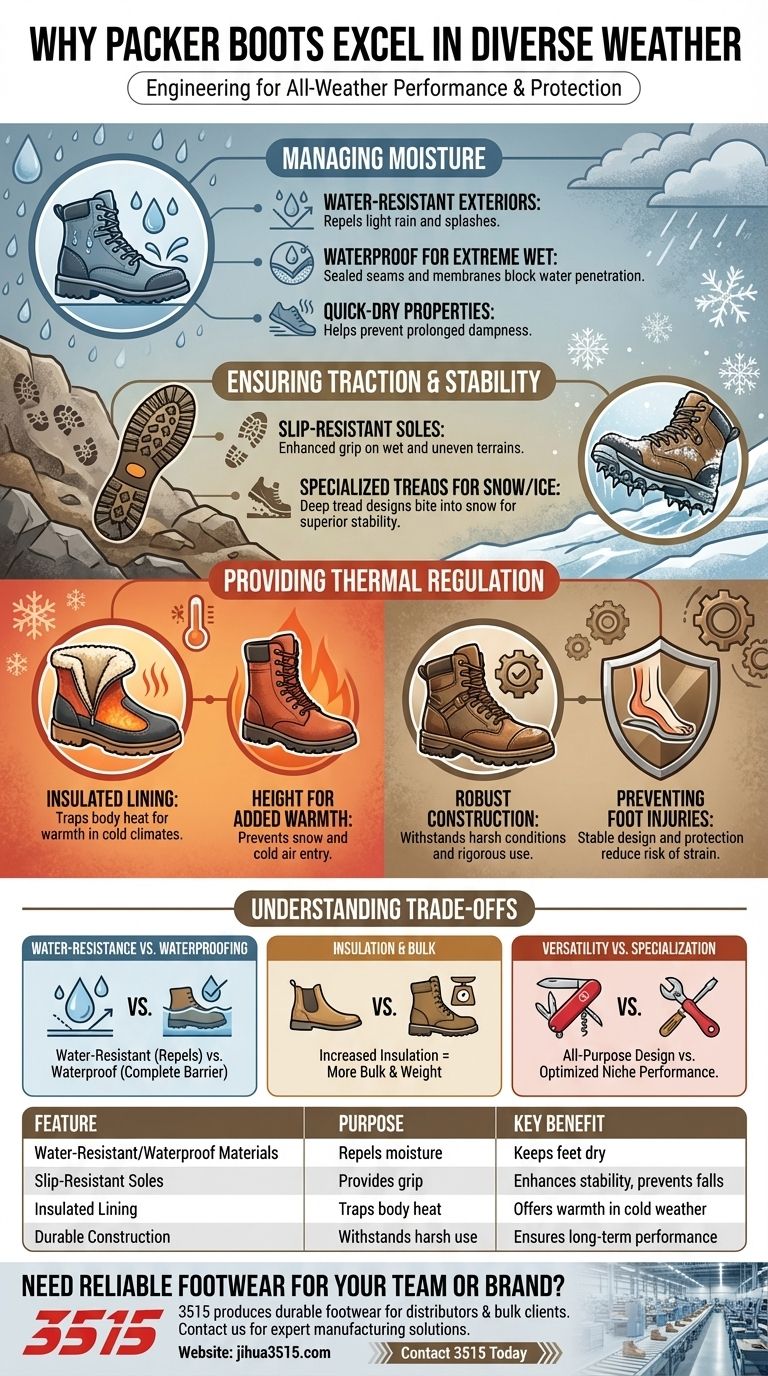
Visual Guide
Related Products
- Durable Leather Work Boots for Wholesale & Custom Manufacturing
- Premium Grain Leather Safety Boots for Bulk Supply
- Durable Leather Work Boots for Wholesale & Custom OEM Manufacturing
- Heavy-Duty Waterproof Nubuck Safety Boots Safety Shoes for Bulk Supply
- Wholesale Safety Boots Manufacturer for Custom & Private Label Orders
People Also Ask
- What is the difference between full-grain and top-grain leather? Premium Material Guide for Boot Manufacturers
- What are the common workplace hazards that can be mitigated with the right work boots? Protect Your Workforce
- What are the common foot issues workers face due to uncomfortable work boots? Prevent Pain & Deformities
- What are the advantages of leather versus synthetic work boots? A Guide to Choosing the Right Material
- What are the key components of modern work boots? Engineered for Ultimate Durability and Comfort

















