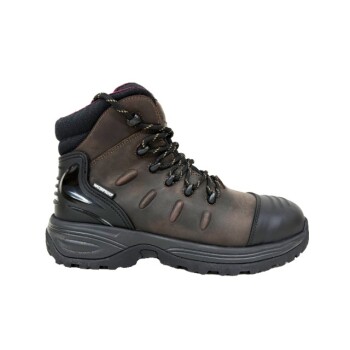
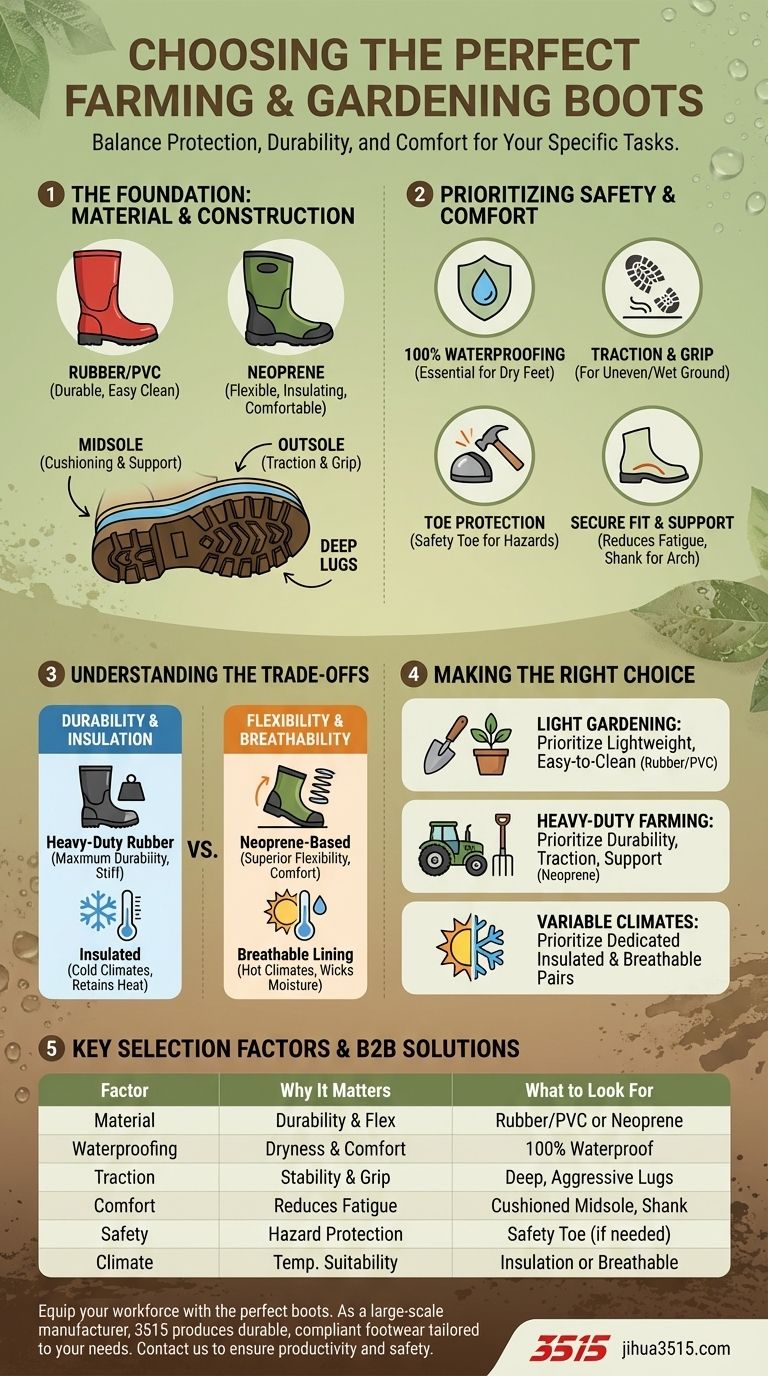
Choosing the right farming and gardening boot is about much more than just keeping your feet dry. The perfect pair is determined by a combination of material quality, waterproofing, traction, comfort, and the specific level of protection your tasks demand. These factors work together to ensure your boots are a reliable tool, not a source of discomfort or risk.
The ideal boot is not the one with the most features, but the one whose features are perfectly matched to your specific environment and workload. Your goal is to find the precise balance of protection, durability, and comfort that your daily tasks require.
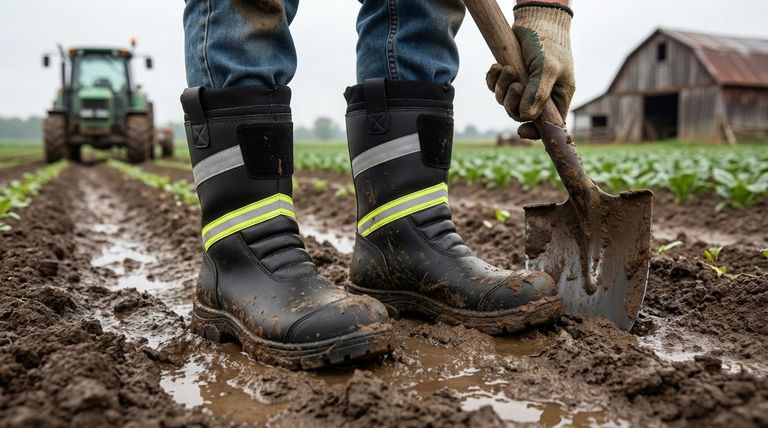
The Foundation: Material and Construction
The materials used in a boot dictate its performance in every other category, from durability to comfort. Understanding the basic components is the first step in making an informed choice.
Why Material is Your First Decision Point
The boot's primary material determines its weight, flexibility, insulation, and resistance to punctures and chemicals. This single choice has the largest impact on the boot's overall feel and function.
Common Materials: Rubber vs. Neoprene
Most farming and gardening boots are made from natural rubber, PVC, or neoprene.
Simple rubber or PVC boots offer excellent waterproofing and are easy to clean, making them ideal for lighter, muddy tasks.
Neoprene, often found in 5mm thickness, adds significant flexibility, shock absorption, and insulation, providing superior comfort for long hours of demanding work.
The Sole's Critical Role
A boot's sole is composed of two key parts. The outsole is the part that contacts the ground, providing traction and grip. The midsole is located above it and is responsible for providing cushioning and support.
Prioritizing Your Safety and Comfort
Beyond the basic materials, specific features are designed to protect you from job-site hazards and prevent fatigue over a long day.
The Non-Negotiable: Waterproofing
Farming and gardening almost always involve water, dew, or mud. 100% waterproof construction is essential to keep your feet dry, prevent blisters, and maintain comfort in all conditions.
Grip and Traction for Uneven Ground
Slippery surfaces are a constant hazard. Look for boots with deep, aggressive lugs on the outsole for reliable traction on mud, wet grass, and uneven terrain. This is a critical safety feature.
Toe Protection: When is it Necessary?
For most gardening, a standard soft-toe boot is sufficient. However, if your work involves heavy machinery, falling objects, or livestock, a safety toe (steel, composite, or alloy) is a necessary precaution.
The Importance of a Secure Fit
A poorly fitting boot will cause discomfort and fatigue. Ensure the boot fits snugly without being tight, and consider features like a shank in the midsole, which provides crucial arch support during long periods of standing or walking.
Understanding the Trade-offs
No single boot is perfect for every situation. You must weigh the benefits of certain features against their potential downsides for your specific needs.
Durability vs. Flexibility
Heavy-duty, thick rubber boots offer maximum durability and puncture resistance but can feel stiff and heavy. Lighter, neoprene-based boots provide far more flexibility and comfort but may not withstand the harshest abrasive conditions as well.
Insulation vs. Breathability
Insulated boots are critical for keeping feet warm in cold climates. However, that same insulation will cause excessive sweating and discomfort in hot weather.
For hot climates, prioritize boots with breathable, moisture-wicking linings that help pull sweat away from the skin, keeping your feet cooler and drier.
Ease of Cleaning
Boots with complex lacing systems or textured surfaces can trap mud and debris. Smooth, one-piece rubber or neoprene designs are significantly easier to hose off and maintain at the end of the day.
Making the Right Choice for Your Work
To select the perfect boot, align its features directly with the demands of your primary activities.
- If your primary focus is light gardening and yard work: Prioritize a lightweight, flexible rubber or PVC boot that is easy to slip on and clean.
- If your primary focus is heavy-duty farming or landscaping: You need maximum durability, aggressive traction, and supportive construction, likely from a neoprene-based boot.
- If your primary focus is working in variable or extreme temperatures: Choose a dedicated insulated boot for cold and a separate breathable boot for heat to ensure season-long comfort.
Ultimately, investing in the right pair of boots is a direct investment in your daily safety, comfort, and productivity.
Summary Table:
| Key Factor | Why It Matters | What to Look For |
|---|---|---|
| Material & Construction | Determines durability, flexibility, and weight. | Natural rubber for durability, neoprene for comfort and flexibility. |
| Waterproofing | Keeps feet dry to prevent blisters and discomfort. | 100% waterproof construction, sealed seams. |
| Traction & Outsole | Provides stability and prevents slips on uneven ground. | Deep, aggressive lugs for grip on mud and wet surfaces. |
| Comfort & Support | Reduces fatigue during long hours of work. | A secure fit, cushioned midsole, and arch support (shank). |
| Safety Features | Protects against job-site hazards. | Safety toe (steel/composite) for heavy work; assess need based on tasks. |
| Climate Suitability | Ensures comfort in varying temperatures. | Insulation for cold; breathable, moisture-wicking linings for heat. |
Ready to equip your workforce with the perfect farming and gardening boots?
As a large-scale manufacturer, 3515 produces a comprehensive range of durable, comfortable, and safety-compliant footwear for distributors, brand owners, and bulk clients. Our production capabilities encompass all types of shoes and boots, tailored to meet the specific demands of light gardening, heavy-duty farming, and everything in between.
We help you ensure productivity and safety with boots built for performance. Contact our team today to discuss your requirements and discover how we can support your business.
Visual Guide
Related Products
- Premium Oil Wax Leather Safety Boots for Bulk Purchase
- Factory Direct Wholesale Rain Boots Durable Waterproof & Fully Customizable
- Durable Goodyear Welt Leather Work Boots for Wholesale & Private Label
- Durable Steel Toe Safety Boots Wholesale & Custom Manufacturing
- Durable Leather Work Boots Wholesale Manufacturer & Custom Factory
People Also Ask
- What materials are commonly used for outsoles in safety boots? A Guide to Durability, Grip, and Comfort
- How do safety boots reduce cutting hazards? Essential Protection for Your Workforce
- What are the common types of safety boots and their primary uses? A Guide to Industrial Footwear
- Which organizations develop safety standards for work boots? Ensure Compliance & Worker Safety
- What primary protective functions do professional safety boots provide in urban solid waste recovery and waste picking processes? Discover Dual-Layer Protection.