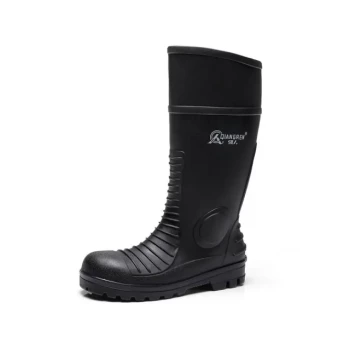
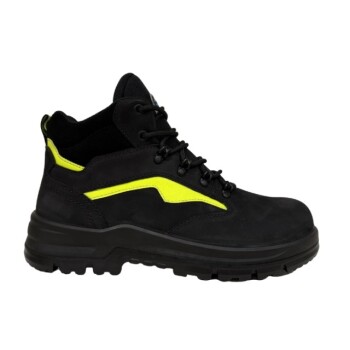
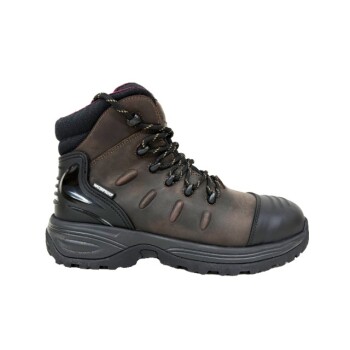
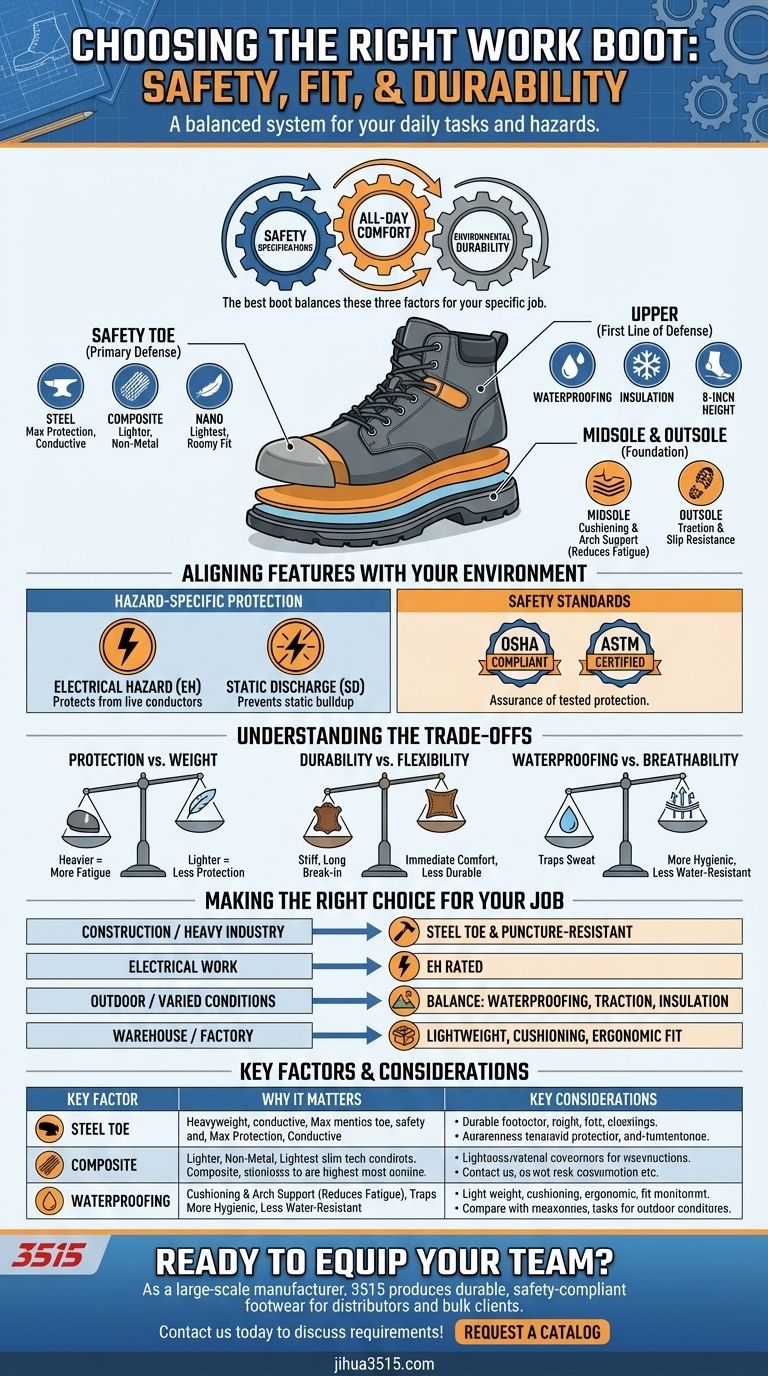
At its core, choosing the right work boot requires a careful evaluation of three primary factors: the specific safety features required by your job, a correct and comfortable fit for long hours of wear, and a durable construction suited to your work environment. The best boot is not the one with the most features, but the one with the right features for your specific daily tasks and hazards.
The most common mistake is prioritizing a single feature over the boot's entire purpose. A truly effective work boot is a balanced system where safety specifications, all-day comfort, and environmental durability work together to protect you.
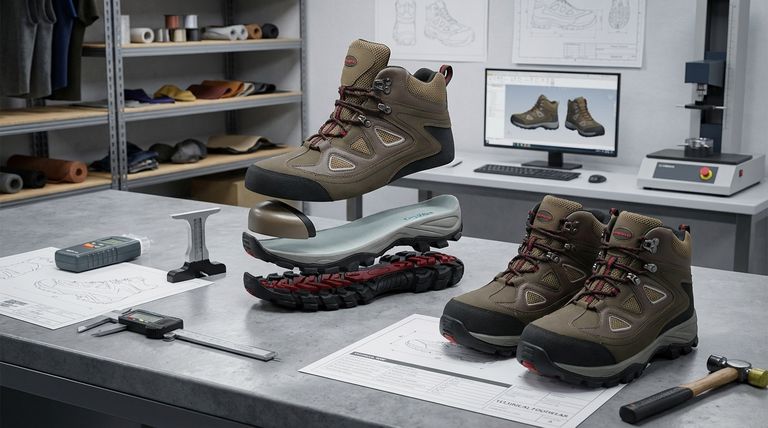
Deconstructing the Modern Work Boot
To make an informed choice, you must understand how each part of the boot contributes to its overall performance. The right combination of components will directly impact your safety and comfort.
The Critical Role of the Safety Toe
The safety toe is your primary defense against impact and compression from heavy objects. The material used has significant trade-offs in weight and properties.
There are three main types:
- Steel Toe: The traditional standard, offering maximum protection. However, it is the heaviest option and can conduct temperature.
- Composite Toe: Made from non-metal materials like carbon fiber or plastic, these are lighter than steel and do not conduct heat or electricity, making them ideal for metal-free environments.
- Nano Toe: The most modern and lightweight option, using advanced materials to provide high-impact resistance with a thinner profile for a roomier fit.
The Foundation: Midsole and Outsole
The bottom of the boot dictates your comfort and stability. The midsole provides cushioning and arch support, which is critical for reducing fatigue during long shifts.
The outsole, or tread, is what connects you to the ground. Its design must provide sufficient traction and slip resistance for the surfaces you encounter, whether they are wet, oily, or uneven.
The Upper: Your First Line of Defense
The "upper" is the material that covers your foot. A higher upper, such as an 8-inch design, provides superior ankle support and protects against splashes or embers, which is crucial for jobs like welding.
Features like waterproofing and insulation are integrated into the upper to protect you from wet and cold climates, respectively.
Aligning Features with Your Work Environment
A boot's features are only valuable if they match the actual hazards you face. Always start by assessing your workplace risks.
Hazard-Specific Protection
Certain jobs require certified protection against non-obvious dangers. An Electrical Hazard (EH) rating is essential for anyone working near live conductors, as it protects against open circuits.
Conversely, Static Discharge (SD) rated boots are necessary in environments where a buildup of static electricity could damage sensitive equipment or ignite flammable materials.
Understanding Safety Standards
Look for boots that comply with OSHA (Occupational Safety and Health Administration) guidelines and meet ASTM (American Society for Testing and Materials) standards. These certifications are your assurance that the boot has been tested and provides a verified level of protection.
Understanding the Trade-offs
Choosing a work boot is an exercise in balancing competing factors. Understanding these compromises is key to finding the best boot for your needs.
Protection vs. Weight
Heavier protection, such as steel toes and thick, puncture-resistant soles, inevitably adds weight. This can increase fatigue over a long day. A lighter composite or nano toe might be a better choice if your impact risk is moderate.
Durability vs. Flexibility
The toughest, most durable materials like thick leather often require a significant break-in period and can feel stiff. More flexible, modern materials may offer greater immediate comfort but might not withstand the harshest environments for as long.
Waterproofing vs. Breathability
A fully waterproof boot is excellent at keeping water out, but it can also trap sweat and moisture inside. For hot climates or high-exertion jobs, a more breathable (but less water-resistant) boot might be more comfortable and hygienic.
Making the Right Choice for Your Job
Your final decision should be guided by the single most important factor: your daily reality at work.
- If your primary focus is construction or heavy industry: Prioritize maximum impact protection (steel toe) and a puncture-resistant outsole.
- If your primary focus is electrical work: Ensure your boots have a certified Electrical Hazard (EH) rating as a non-negotiable feature.
- If your primary focus is working outdoors in varied conditions: Seek a balance of waterproofing, good traction for uneven terrain, and appropriate insulation for the climate.
- If your primary focus is long hours on your feet in a warehouse or factory: Emphasize lightweight construction, superior cushioning, and a perfect ergonomic fit to minimize fatigue.
Investing the time to match the boot to your specific hazards is the most effective way to ensure your daily safety and long-term well-being.
Summary Table:
| Key Factor | Why It Matters | Key Considerations |
|---|---|---|
| Safety Toe | Protects against impact/compression | Steel (max protection), Composite (lightweight, non-conductive), Nano (lightest, roomy fit) |
| Midsole & Outsole | Provides cushioning, stability, and traction | Arch support, slip resistance, puncture protection |
| Upper & Height | Defends against environmental hazards | Material durability, waterproofing, insulation, ankle support (e.g., 8-inch boot) |
| Safety Ratings | Certifies protection for specific hazards | EH (Electrical Hazard), SD (Static Discharge), ASTM/OSHA compliance |
Ready to Equip Your Team with the Perfect Work Boots?
As a large-scale manufacturer, 3515 produces a comprehensive range of durable and safety-compliant footwear for distributors, brand owners, and bulk clients. Our production capabilities encompass all types of safety shoes and boots, tailored to meet the specific demands of various industries.
We can help you source the right footwear that balances critical safety features with all-day comfort for your workforce.
Contact us today to discuss your requirements and request a catalog!
Visual Guide
Related Products
- Durable Leather Work Boots for Wholesale & Custom Manufacturing
- Durable Leather Work Boots for Wholesale & Custom OEM Manufacturing
- Durable Leather Work Boots Wholesale Manufacturer & Custom Factory
- Durable Leather Moc Toe Work Boots for Wholesale & Custom Manufacturing
- Wholesale Leather Work Boots with Customizable Wedge Sole for Brands
People Also Ask
- What is the difference between full-grain and top-grain leather? Premium Material Guide for Boot Manufacturers
- What are the common workplace hazards that can be mitigated with the right work boots? Protect Your Workforce
- What are the common foot issues workers face due to uncomfortable work boots? Prevent Pain & Deformities
- What are the advantages of leather versus synthetic work boots? A Guide to Choosing the Right Material
- What are the key components of modern work boots? Engineered for Ultimate Durability and Comfort