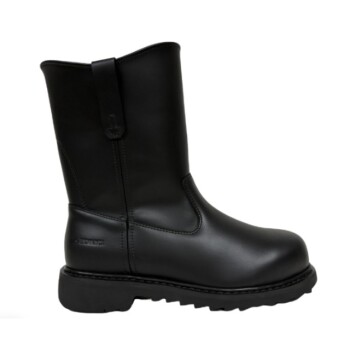
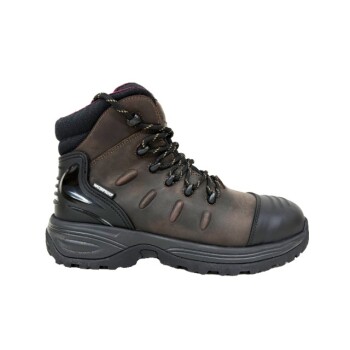
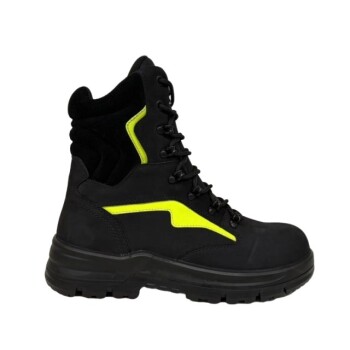
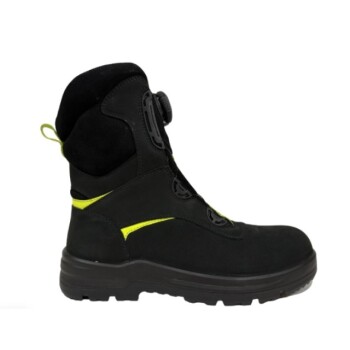
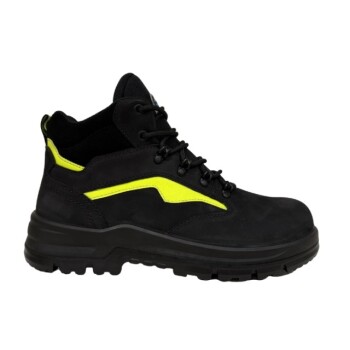
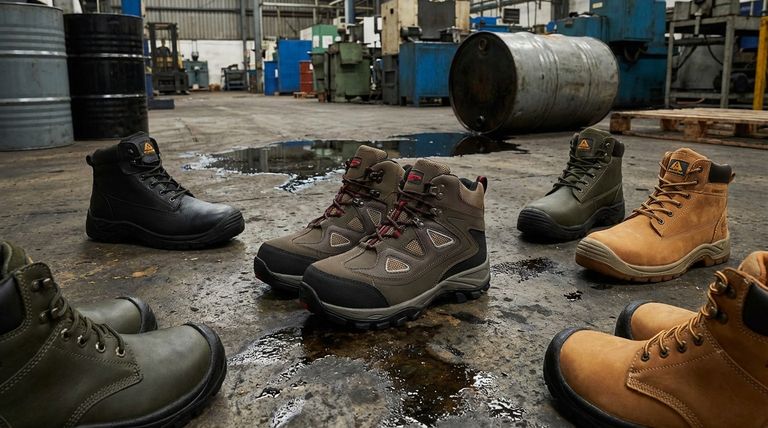
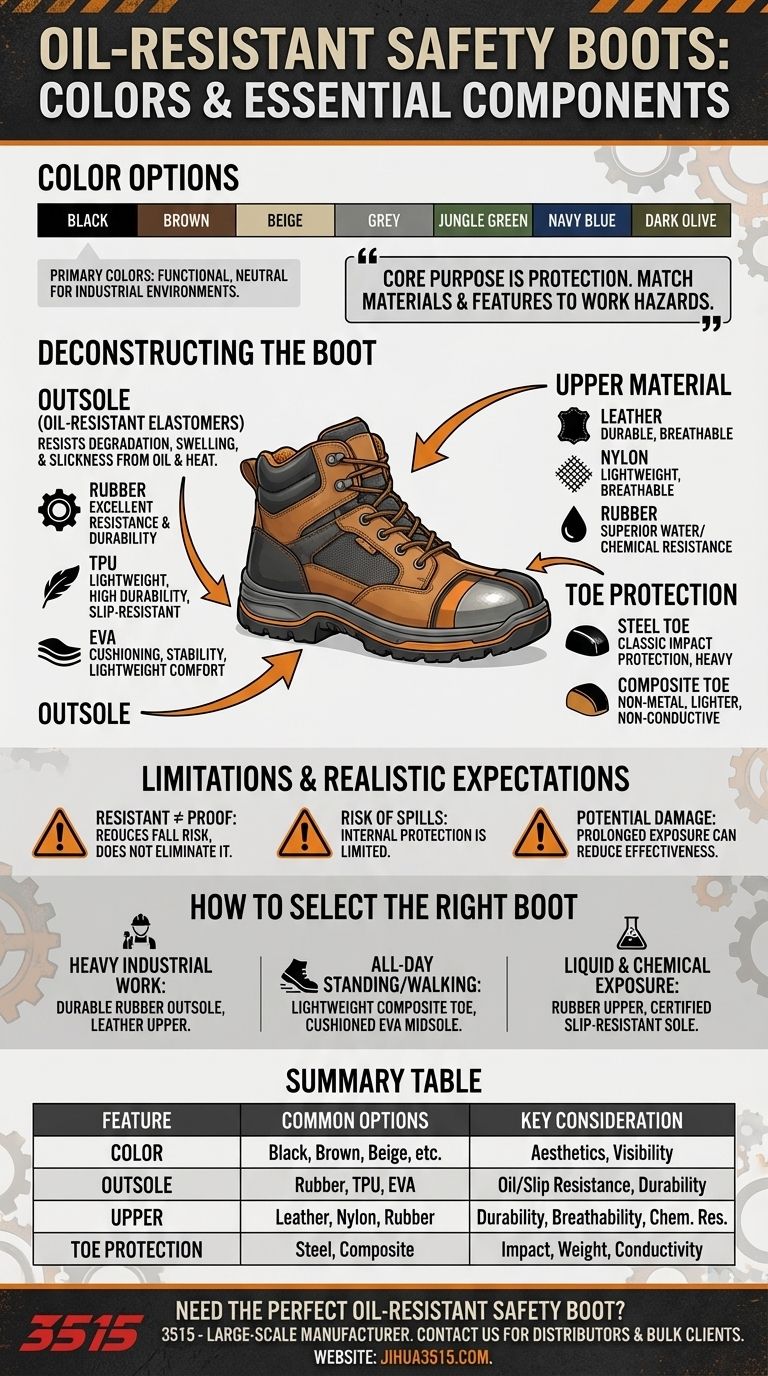
To answer your question directly, oil-resistant safety boots are most commonly available in functional, neutral colors suited for industrial environments. The typical color palette includes black, brown, beige, grey, jungle green, navy blue, and dark olive.
While color is a valid consideration, the core purpose of these boots is protection. The most critical decision lies not in the color, but in matching the boot's specific materials and safety features to the unique hazards of your work environment.
Deconstructing the Oil-Resistant Safety Boot
Understanding the components of a safety boot is the first step toward making an informed choice. Each part is engineered to address a specific risk, from the sole that contacts the ground to the material that protects your toes.
What "Oil-Resistant" Truly Means
The term "oil-resistant" refers to the boot's outsole, which is made from special materials, typically oil-resistant elastomers.
These materials are designed to maintain their structural integrity and grip even when exposed to oil, especially at the elevated temperatures often found in industrial settings. This prevents the sole from degrading, swelling, or becoming slick.
The Critical Role of the Outsole
The outsole is your primary point of contact with hazardous surfaces. The material used is a crucial decision.
- Rubber: Offers excellent resistance to oil and abrasion, making it a durable choice for harsh environments.
- Thermo-Polyurethane (TPU): A lighter alternative to rubber that still provides high durability and slip resistance.
- Ethylene-Vinyl Acetate (EVA): Prized for its lightweight cushioning, stability, and comfort, often used in midsoles but also in outsoles for less demanding applications.
Choosing the Right Upper Material
The "upper" is the part of the boot that covers your foot. The material dictates its breathability, durability, and resistance to elements.
- Leather: A traditional choice known for its exceptional durability and breathability.
- Nylon: Often used in combination with other materials to create a lightweight and breathable boot.
- Rubber: Provides superior water and chemical resistance, making it ideal for environments with significant liquid exposure.
Essential Toe Protection
Safety toe caps are non-negotiable in most hazardous workplaces. The two primary types offer a clear trade-off between weight and protection.
- Steel Toes: The classic standard for impact protection, though they are heavier and can conduct temperature.
- Composite Toes: Made from non-metal materials like carbon fiber or plastic, these are much lighter and do not conduct heat or cold, while still providing structural integrity.
Understanding the Trade-offs and Limitations
Even the highest-quality safety boots have limitations. Being aware of these ensures you maintain realistic expectations and safe work practices.
"Resistant" Does Not Mean "Proof"
An oil-resistant, anti-slip sole significantly reduces the risk of falling, but it cannot eliminate it entirely. Extreme spills or unique surface contaminants can still create slippery conditions.
The Risk of Spills and Leaks
The effectiveness of the boot is compromised if oil or chemicals get inside. The boot's protection is external; a significant leak or spill can still lead to chemical exposure to the skin.
Potential for Permanent Damage
While resistant, the outsole is not indestructible. Prolonged exposure to certain aggressive oils or chemical solvents can eventually cause permanent damage to the non-slip surface, reducing its effectiveness over time.
How to Select the Right Boot for Your Environment
Your choice should be dictated entirely by your daily tasks and the specific hazards you face.
- If your primary focus is heavy industrial work: Choose a boot with a durable rubber outsole and a protective leather upper for maximum durability and abrasion resistance.
- If your primary focus is all-day standing or walking: Prioritize a boot with a lightweight composite toe and a cushioned EVA midsole to reduce fatigue.
- If your primary focus is protection from liquids and chemicals: Select a boot with a rubber upper and a certified slip-resistant sole to ensure maximum barrier protection.
Ultimately, the right safety boot is the one that provides the most effective shield against the specific risks of your job.
Summary Table:
| Feature | Common Options | Key Consideration |
|---|---|---|
| Color | Black, Brown, Beige, Grey, Jungle Green, Navy Blue, Dark Olive | Aesthetics; visibility in the workplace |
| Outsole Material | Rubber, TPU, EVA | Oil resistance, slip resistance, durability |
| Upper Material | Leather, Nylon, Rubber | Durability, breathability, chemical resistance |
| Toe Protection | Steel Toe, Composite Toe | Impact protection, weight, temperature conductivity |
Need the Perfect Oil-Resistant Safety Boot for Your Team?
As a large-scale manufacturer, 3515 produces a comprehensive range of safety footwear for distributors, brand owners, and bulk clients. Our production capabilities encompass all types of oil-resistant safety boots and work boots, ensuring you get the right combination of color, material, and safety features for your specific industrial needs.
Let us help you protect your workforce effectively. Contact our experts today to discuss your requirements and request a quote.
Visual Guide
Related Products
- Heavy-Duty Goodyear Welted Pull-On Safety Rigger Boot
- Premium Oil Wax Leather Safety Boots for Bulk Purchase
- Premium Wholesale Waterproof Safety Boots High Performance Protection for Industrial Markets
- Premium Waterproof Nubuck Safety Boots for Wholesale
- Premium Waterproof High-Cut Industrial Safety Boots for Wholesale and Bulk Orders
People Also Ask
- What are the key elements of quality boot construction? Ensure Longevity & Performance
- Are Goodyear welted boots worth it? The Ultimate Guide to Lifelong Footwear
- What is a Goodyear welt on a boot? The Secret to Durable, Repairable Footwear
- What makes Goodyear Welt boots suitable for harsh environments? Unmatched Durability & Repairability
- What additional high-quality materials are used in Goodyear Welt boots? A Guide to Advanced Components