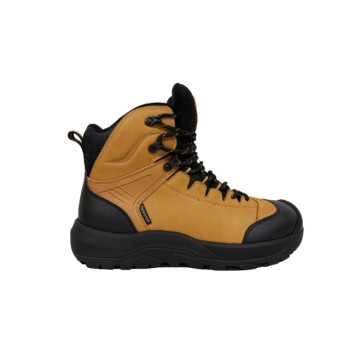
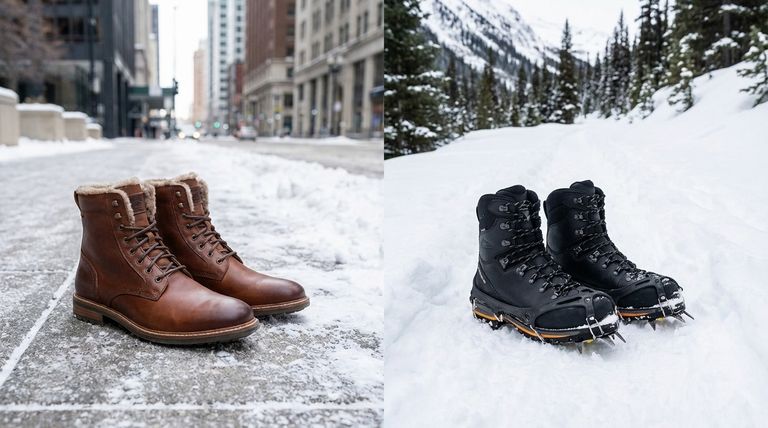
At its core, the vast world of winter footwear is divided into two primary categories defined by their intended use. These are casual winter boots designed for everyday life and commuting, and technical backcountry boots engineered specifically for demanding outdoor activities like winter hiking and snowshoeing.
The fundamental difference isn't just warmth or style; it's a matter of design philosophy. Casual boots prioritize comfort and convenience for predictable environments, while technical boots are purpose-built systems that prioritize performance, traction, and protection in unpredictable terrain.
Deconstructing the Casual Winter Boot
Casual winter boots are your daily drivers for cold weather. Their design centers on providing adequate warmth and protection for the demands of urban and suburban life, from commuting to work to running errands on a snowy day.
Primary Goal: Everyday Comfort and Warmth
The main objective is to keep your feet warm and dry during shorter periods of exposure to cold and snow. They are optimized for walking on cleared sidewalks, driving, and moving between indoor and outdoor spaces.
Defining Features
These boots typically feature moderate insulation, sufficient for most daily activities. They often have flexible soles for comfortable walking and are more likely to be water-resistant rather than fully waterproof, which is adequate for splashing through slushy puddles but not for submersion.
Construction and Style
Uppers are often made from a mix of leather, suede, and textiles, with a greater emphasis on style and a lower shaft height. The overall construction is less rigid, prioritizing out-of-the-box comfort over the ankle support needed for uneven ground.
Deconstructing the Technical Backcountry Boot
Technical boots are specialized equipment designed for performance when you are far from shelter. They are built to handle deep snow, icy trails, and prolonged exposure to freezing temperatures during physically demanding activities.
Primary Goal: Performance in the Elements
This category is for winter hiking, snowshoeing, and other serious outdoor pursuits. The design assumes you will be on your feet for hours in challenging conditions, where failure is not an option.
Engineered for Protection
Technical boots feature significant thermal insulation and are almost always built with a fully waterproof and breathable membrane, such as Gore-Tex. They have a higher shaft (often 8-10 inches) to prevent deep snow from getting inside.
Uncompromising Traction and Support
The most critical feature is the outsole. These boots use high-performance rubber compounds, like Vibram, with deep, aggressive lug patterns designed to grip packed snow and shed mud. The boot's structure is much stiffer to provide stability on uneven, slippery terrain and is often compatible with traction devices like microspikes or crampons.
Understanding the Critical Trade-offs
Choosing the wrong type of boot leads to discomfort at best and unsafe conditions at worst. Understanding the compromises inherent in each design is key to making the right choice.
Comfort vs. Performance
A technical backcountry boot will feel stiff, heavy, and overly warm when worn for a daily commute. Conversely, a casual boot lacks the ankle support, aggressive traction, and robust waterproofing required for a winter trail, increasing the risk of slips, falls, and dangerously cold, wet feet.
Insulation and Weight
The heavy-duty insulation and rugged materials in technical boots add significant weight and bulk. This is essential for safety in the backcountry but makes them clumsy and cumbersome for everyday wear, especially when driving or walking indoors.
Waterproofing vs. Water-Resistance
Many casual boots are simply "water-resistant," meaning their materials will shed light snow and minor splashes. Technical boots are built with certified "waterproof" membranes, creating an impenetrable barrier that can withstand hours of exposure to wet, heavy snow.
Making the Right Choice for Your Goal
Your primary activity dictates the right boot. Mismatching the boot to the environment is the most common mistake.
- If your primary focus is commuting and city life: A casual winter boot provides the ideal balance of warmth, everyday comfort, and style for urban and suburban terrain.
- If your primary focus is winter hiking or snowshoeing: A technical backcountry boot is non-negotiable for its essential waterproofing, deep-lug traction, and superior insulation.
- If you need one boot for mixed, very light use: Consider a hybrid insulated hiking boot, which offers better traction than a casual boot but more flexibility than a full technical model.
Choosing the right category ensures your feet are not just protected, but properly equipped for your specific winter environment.
Summary Table:
| Category | Primary Use | Key Features | Ideal For |
|---|---|---|---|
| Casual Winter Boots | Everyday life, commuting | Moderate insulation, flexible soles, water-resistant, stylish | Urban environments, cleared sidewalks, running errands |
| Technical Backcountry Boots | Winter hiking, snowshoeing | Heavy insulation, waterproof (e.g., Gore-Tex), aggressive traction (e.g., Vibram), stiff support | Unpredictable terrain, deep snow, prolonged outdoor exposure |
Equip Your Customers with the Perfect Winter Boot
As a large-scale manufacturer, 3515 produces a comprehensive range of footwear for distributors, brand owners, and bulk clients. Our production capabilities encompass all types of shoes and boots, including both casual and technical winter models. We can help you source the right winter boots for your target market, ensuring quality, performance, and style.
Ready to build a winter footwear collection that meets every need? Contact our team today to discuss your manufacturing requirements.
Visual Guide

Related Products
- Premium Insulated Safety Boots and Shoes for Wholesale & Bulk Orders
- Factory Direct Wholesale Rain Boots Durable Waterproof & Fully Customizable
- Durable Waterproof Rain Boots | Custom Manufacturer for Wholesale & Brands
- Wholesale Waterproof Tactical Boots Custom Suede & High-Traction Soles
- High Performance Fire-Retardant Waterproof Safety Boots
People Also Ask
- What are the recommended insulation ratings for mild winter conditions? A Guide for Active & Stationary Workers
- How does insulation thickness correlate with temperature ranges? A Guide to Choosing the Right Warmth
- What insulation level is needed for severe cold and stationary work? 1200g or Higher is Essential
- What safety advantages do insulated boots offer beyond warmth? Dielectric Protection & Superior Grip
- How does fleece lining contribute to the warmth of insulated boots? Trapping Air for Superior Cold Protection