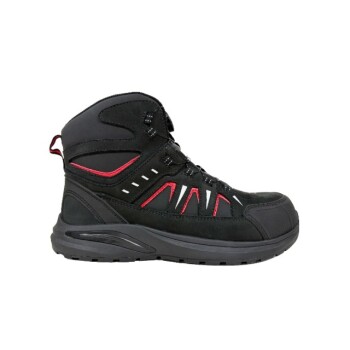
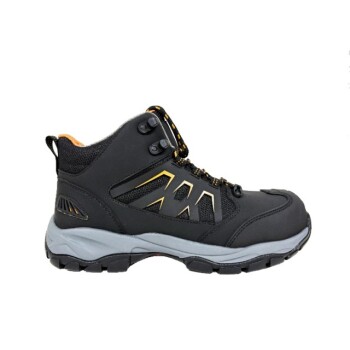
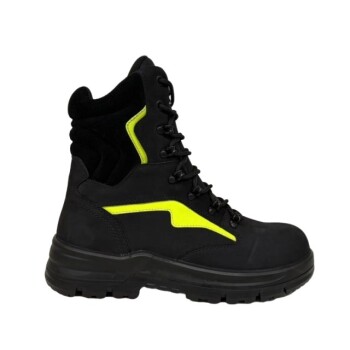
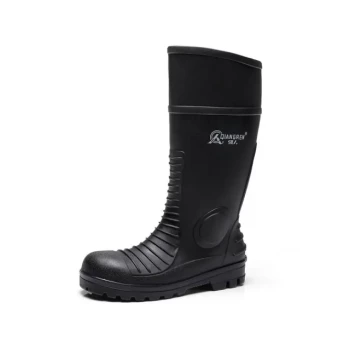
At its core, a steel toe safety shoe is recommended for any work environment where there is a significant risk of heavy objects falling on or crushing your feet. This primarily includes industries like construction, manufacturing, warehousing, and auto repair, where heavy materials, machinery, and tools are constantly in use.
The decision to use steel toe footwear is not about a specific job title, but about a specific risk assessment. If your feet are exposed to potential impact or compression hazards, a certified safety toe is essential protection.
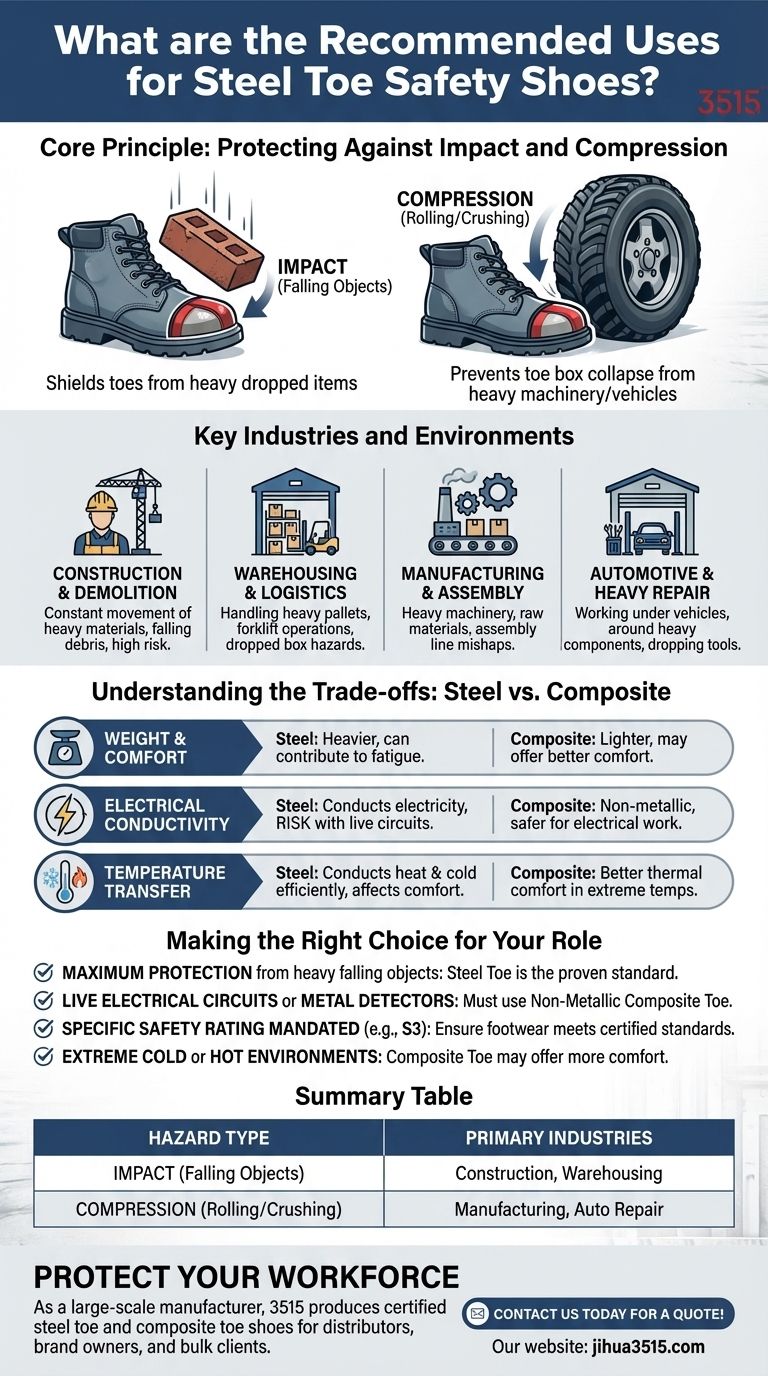
The Core Principle: Protecting Against Impact and Compression
The primary function of a steel toe shoe is to shield the foot from two specific types of mechanical hazards. Understanding these is key to knowing when they are necessary.
How a Steel Toe Works
A steel toe cap is a reinforced piece of steel built into the front of the shoe, covering the entire toe area. This protective box is designed and tested to meet specific safety standards, such as those from the ASTM International (American Society for Testing and Materials), for its ability to withstand force.
The Primary Hazard: Impact
Impact risk refers to danger from falling objects. The steel cap is engineered to deflect the force of a heavy item dropped from a height, preventing the full weight from crushing your toes.
This is the most common reason for mandating steel toes on job sites like construction zones, where tools, building materials, or debris can fall unexpectedly.
The Secondary Hazard: Compression
Compression risk involves the foot being squeezed or run over by rolling or stationary heavy objects. This could include a vehicle tire, a heavy-duty pallet jack, or a piece of industrial machinery.
The steel cap provides a rigid structure that prevents the toe box from collapsing under immense, sustained pressure.
Key Industries and Environments
While risk assessment is personal to each role, certain industries have a high prevalence of impact and compression hazards, making steel toes a standard requirement.
Construction and Demolition
These sites are dynamic environments with constant movement of heavy materials, tools, and machinery. The risk of falling debris is extremely high, making protective footwear non-negotiable.
Warehousing and Logistics
Workers in warehouses and distribution centers frequently handle heavy pallets, operate forklifts, and stack heavy inventory. A dropped box or an accident with a pallet jack can cause severe foot injury.
Manufacturing and Assembly
Factory floors often involve heavy machinery, raw materials, and finished products. A dropped engine part or a mishap on an assembly line presents a clear danger that steel toes are designed to mitigate.
Automotive and Heavy Repair
Mechanics and technicians regularly work under vehicles and around heavy components like engines and transmissions. Dropping a heavy tool or part is a common and dangerous scenario.
Understanding the Trade-offs
While steel toes offer exceptional protection, it is important to understand their specific characteristics compared to other types of safety footwear, like composite toes.
Weight and Comfort
Steel is inherently heavier than composite materials. For workers who spend all day on their feet or walk long distances, the added weight of a steel toe can contribute to fatigue over time.
Electrical Conductivity
Steel is a conductor of electricity. In roles where there is a risk of contact with live electrical circuits, a non-metallic composite toe shoe is the safer and required choice to prevent electrical shock.
Temperature Transfer
Steel also conducts heat and cold very efficiently. In extremely cold environments, the steel cap can become very cold and transfer that to the wearer's toes. The opposite is true in high-heat environments.
Making the Right Choice for Your Role
Ultimately, your choice of footwear should be dictated by a thorough assessment of your specific workplace hazards, not just a job title.
- If your primary focus is maximum protection from heavy falling objects: Steel toe is the traditional, proven standard for robust impact and compression resistance.
- If you work around live electrical circuits or pass through metal detectors: You must use a non-metallic composite toe to avoid the risks of electrical conductivity.
- If your site mandates a specific safety rating (e.g., S3): Ensure your footwear meets that specific standard, which includes certified toe protection alongside other features like puncture and water resistance.
- If you work in extremely cold or hot environments: Be aware that steel can transfer temperature, and a composite toe may offer more thermal comfort.
Choosing the right safety shoe begins with a clear and honest evaluation of your daily workplace risks.
Summary Table:
| Hazard Type | Primary Industries | Key Protection Offered |
|---|---|---|
| Impact (Falling Objects) | Construction, Warehousing | Shields toes from heavy dropped items |
| Compression (Rolling/Crushing) | Manufacturing, Auto Repair | Prevents toe box collapse from heavy machinery/vehicles |
Protect your workforce with the right safety footwear. As a large-scale manufacturer, 3515 produces a comprehensive range of certified steel toe and composite toe shoes and boots for distributors, brand owners, and bulk clients. Our production capabilities ensure you get durable, compliant footwear tailored to the specific hazards of your industry. Contact us today for a quote and expert guidance on your safety footwear needs!
Visual Guide
Related Products
- Durable Steel Toe Safety Boots Wholesale & Custom Manufacturing
- Wholesale Mesh Steel Toe Safety Shoes with Dial Closure Factory Production
- Heavy Duty Nubuck Safety Boots Safety Shoes for Global Distribution
- Puncture-Resistant Velcro Safety Boots for Wholesale & Custom Manufacturing
- Wholesale Durable Breathable Safety Boots Custom OEM Manufacturer
People Also Ask
- Why are industrial safety boots with steel toes necessary for machine operators? Essential Foot Protection for Safety
- Why is it mandatory to wear safety shoes with steel toe protection during metal loading? Prevent Crushing Injuries
- What are the main materials used in steel toe safety shoes? A Guide to Protective Footwear Construction
- What are the characteristics of steel toe safety boots? Maximum Protection, Key Trade-offs
- Is it true that steel toes can cause toes to get cut off? Debunking the Dangerous Myth