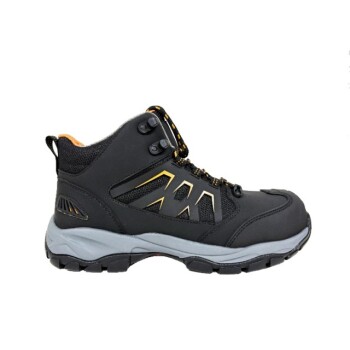
Conducting mechanical strength evaluations on polycarbonate toecaps is a mandatory step in the research and development phase to validate the component's ability to withstand significant physical trauma. These evaluations verify that the material can successfully prevent foot crush injuries under simulated worksite conditions while maintaining the structural integrity necessary for professional-grade safety footwear.
The core purpose of these evaluations is to certify that the protective footwear delivers industrial-grade impact resistance without compromising the lightweight ergonomic performance required for user comfort.
The Critical Role of Impact Resistance
Preventing Catastrophic Injury
The primary function of a toecap is protecting the wearer's foot from falling objects and compression. Mechanical evaluations measure the absolute limit of force the polycarbonate can absorb before failing.
This data is crucial for ensuring the footwear provides sufficient resistance to prevent crushing injuries in hazardous industrial environments.
Simulating Worksite Conditions
Laboratory settings must replicate the chaotic and harsh nature of actual job sites.
By subjecting the toecaps to repeated impact tests, engineers can observe how the material behaves under the stress of recurring physical blows, ensuring reliability beyond a single accident.
Balancing Safety with Ergonomics
Validating Lightweight Performance
Polycarbonate is often selected over steel to reduce the overall weight of the boot. However, weight reduction cannot come at the cost of protection.
Testing ensures that the lightweight experience intended for the wearer does not result in a toecap that is too brittle or weak to function effectively.
Ensuring Occupational Comfort
Heavy footwear contributes to worker fatigue, which can indirectly lead to accidents.
By verifying the strength of lighter polycarbonate materials, R&D teams can confidently deliver a solution that balances occupational safety with ergonomic comfort, allowing for longer wear times without physical strain.
Understanding the Trade-offs
Thickness vs. Protection
While polycarbonate is lighter than steel, it often requires a thicker profile to achieve the same impact resistance.
Evaluations help engineers determine the optimal thickness required to pass safety thresholds without making the toe box bulky or uncomfortable for the wearer.
Material Failure Modes
Unlike steel, which tends to dent or deform under extreme stress, polycarbonate can crack or shatter if the impact exceeds its design limits.
Rigorous testing is required to identify these breaking points to ensure the material fails safely, rather than creating sharp fragments that could exacerbate an injury.
Making the Right Choice for Your Goal
To effectively incorporate these evaluations into your R&D process, prioritize your testing based on the end-user's primary needs.
- If your primary focus is Maximum Safety: Prioritize high-velocity impact tests to ensure the polycarbonate resists crushing forces without catastrophic shattering.
- If your primary focus is Ergonomic Comfort: Focus on finding the minimum material thickness that still passes impact standards to maximize weight reduction.
rigorous mechanical evaluation is the only way to transform a piece of lightweight plastic into a trusted, life-saving safety device.
Summary Table:
| Evaluation Metric | Key Objective | Benefit for R&D |
|---|---|---|
| Impact Resistance | Measure force absorption limits | Prevents crush injuries and ensures safety compliance |
| Durability Testing | Simulate worksite stress | Validates material integrity after repeated physical blows |
| Ergonomic Profile | Optimize material thickness | Balances lightweight performance with toe box comfort |
| Failure Analysis | Identify breaking points | Ensures material fails safely without creating sharp fragments |
Partner with 3515 for Certified Safety Footwear Solutions
As a large-scale manufacturer serving distributors and brand owners, 3515 offers comprehensive production capabilities for all footwear types, anchored by our flagship Safety Shoes series. Our rigorous R&D and mechanical testing ensure that our polycarbonate toecaps deliver the perfect balance of lightweight comfort and industrial-grade protection.
Whether you need robust work and tactical boots, high-performance training shoes, or professional dress and formal footwear, we provide the scale and expertise to meet your bulk requirements.
Ready to elevate your product line with trusted safety technology?
Contact Us Today to Discuss Your Bulk Order
References
- Chap Kau Kwan Chung, Jesús Antonio González Caballero. Revisión bibliográfica de los tipos de Ergonomía estudiadas en las publicaciones científicas localizadas en la Web of Science, 2019-2022. DOI: 10.37811/cl_rcm.v7i2.5556
This article is also based on technical information from 3515 Knowledge Base .
Related Products
- Advanced KPU Athletic Safety Shoe with Steel Toe Cap Anti-Slip Rotary Lacing System
- Wholesale Safety Footwear Manufacturer for Bulk & Custom OEM Orders
- Puncture-Resistant Velcro Safety Boots for Wholesale & Custom Manufacturing
- Wholesale Mesh Steel Toe Safety Shoes with Dial Closure Factory Production
- Durable Leather Safety Boots for Wholesale & Custom OEM Manufacturing
People Also Ask
- What are the key differences between steel toe and composite toe caps? Choose the Right Safety for Your Job
- What impact do steel toe caps have on toe skin health? Prevent Friction and Pressure in Your Safety Shoes
- What are the primary protective functions of safety shoes with steel toes in the automotive repair industry?
- What type of safety shoe is recommended for workers exposed to heavy machinery? Steel Toe Boots for Ultimate Protection
- How does defining specific friction interface models in FEA assist in predicting safety shoe toe cap failure modes?