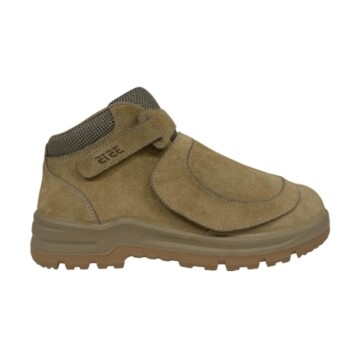
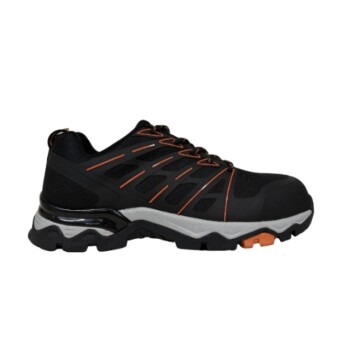
To put it simply, injection-molded construction excels at creating exceptionally durable, waterproof, and chemical-resistant products. By forming the entire structure as a single, seamless piece, this method eliminates the weak points found in traditional assemblies, offering a fortress-like level of protection against harsh environmental hazards.
The core advantage of injection-molded construction is its unified, one-piece design. This approach trades the flexibility and repairability of multi-part items for absolute integrity against liquids, chemicals, and impacts.
The Strengths of a Monolithic Structure
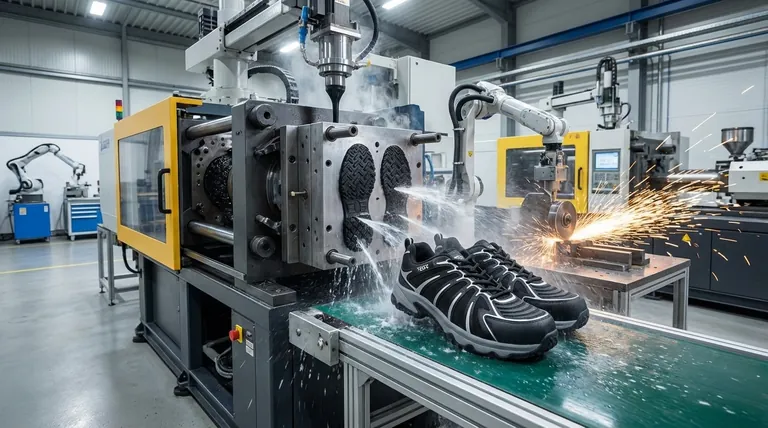
Injection molding involves injecting a molten material, typically a polymer, into a mold to create a solid, single-piece object. This fundamental difference from traditional assembly (stitching, gluing) is the source of its primary benefits, particularly in demanding applications like protective footwear.
Absolute Waterproofing
The seamless nature of an injection-molded product means there are no stitches, seams, or glued joints. These are the most common points of failure for water entry in traditionally constructed gear.
By creating a single, unbroken surface, this method provides a completely impervious barrier to moisture, making it a superior choice for consistently wet conditions.
Enhanced Impact and Puncture Resistance
A one-piece construction distributes the force of an impact or a puncture attempt across the entire structure. This prevents localized stress that can cause a tear or break at a seam.
The result is a product that is inherently more robust and better suited for environments with physical hazards.
High Chemical Resistance
The polymers used in injection molding are often selected for their inherent resistance to oils, acids, and other industrial chemicals.
This makes injection-molded items, such as work boots, ideal for hazardous material handling, agricultural work, or manufacturing settings where chemical exposure is a constant concern.
Understanding the Inherent Trade-offs
The same characteristics that provide these benefits also introduce specific limitations. A truly objective evaluation requires understanding what you sacrifice to gain this level of protection.
Reduced Flexibility
The rigid, single-piece design that offers such great protection also hinders natural movement. This can make injection-molded footwear feel stiff and less comfortable for activities requiring significant walking or agility.
Limited Breathability
The non-porous, waterproof barrier is excellent at keeping water out, but it is equally effective at keeping moisture in. This lack of breathability can lead to sweat and heat buildup, causing discomfort during long periods of use.
The Challenge of Repair
Because the product is a single, fused unit, it cannot be easily repaired. For footwear, this most often means the sole cannot be replaced (resoled), significantly shortening the product's functional lifespan once a critical part wears out.
Making the Right Choice for Your Needs
Choosing the right construction method depends entirely on your primary goal and the environment you will be in.
- If your primary focus is maximum protection: The unparalleled waterproofing and chemical resistance of injection-molded construction make it the definitive choice for hazardous or extremely wet environments.
- If your primary focus is all-day comfort and mobility: The lack of flexibility and breathability makes this a poor choice; traditional stitched or cemented constructions are far superior.
- If your primary focus is long-term value and repairability: The inability to resole or easily repair injection-molded items means you should look for traditional, serviceable designs.
Ultimately, choosing wisely means matching the construction's strengths directly to the demands of your task.
Summary Table:
| Pros | Cons |
|---|---|
| Absolute Waterproofing | Reduced Flexibility |
| Enhanced Impact/Puncture Resistance | Limited Breathability |
| High Chemical Resistance | Difficult or Impossible to Repair |
| Seamless, One-Piece Durability | Shorter Lifespan (Non-repairable) |
Need Unbreakable, Waterproof Footwear for Your Team?
As a large-scale manufacturer, 3515 produces a comprehensive range of injection-molded footwear for distributors, brand owners, and bulk clients. Our one-piece construction delivers the ultimate protection against water, chemicals, and impacts, ensuring safety and durability in the toughest conditions.
Contact us today to discuss your custom footwear needs and leverage our full production capabilities.
Visual Guide

Related Products
- Premium Suede Metatarsal Guard Safety Boots Work Shoes
- Premium KPU Injection Athletic Style Safety Shoes
- Durable Leather Work Boots Wholesale Manufacturer & Custom Factory
- Wholesale Heavy-Duty Waterproof Steel Toe Work Boots OEM Manufacturer
- Durable Leather Work Boots for Wholesale & Custom Manufacturing
People Also Ask
- How does metatarsal protection in safety footwear work? The Essential Guide to Foot Safety
- What is a metatarsal guard in safety boots? Essential Protection for Your Entire Foot
- How do metatarsal guards enhance work shoe safety? Prevent Crushing Foot Injuries on the Job
- What does the 'MT' in ASTM F2413-18 stand for? Essential Metatarsal Protection Explained
- What is metatarsal protection in safety boots? Essential Defense for Top-of-Foot Hazards