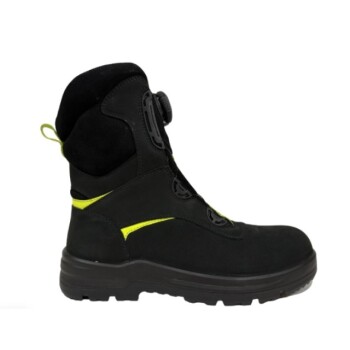
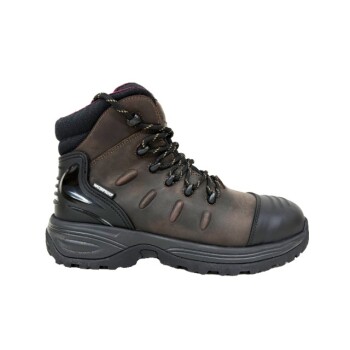
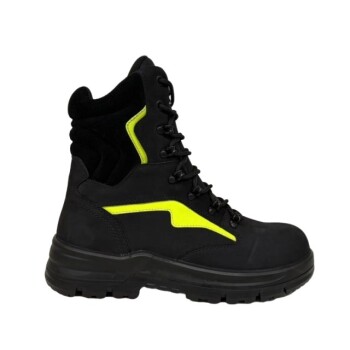
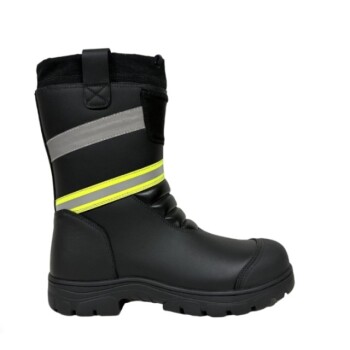
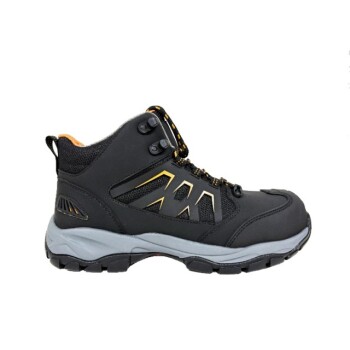
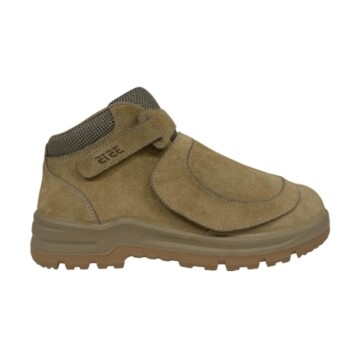
The primary protective functions of professional safety boots during the planting and seedling stages of rubber cultivation are to act as a hardened physical barrier against erratic terrain and biological hazards. Specifically, they utilize puncture-resistant outsoles and high-top designs to prevent injuries from sharp rocks, thorny vegetation, and venomous wildlife.
Core Takeaway The initial phase of rubber planting occurs in complex, unrefined environments where the ground itself poses the greatest risk. The correct footwear must provide a dual-layer defense: mechanical strength to withstand punctures from jagged terrain and full-coverage isolation to protect against snakebites and chemical residues.
Navigating the Physical Environment
Defense Against Mechanical Hazards
During the planting stage, the ground is often uneven and uncleared. Puncture-resistant outsoles are the first line of defense, designed to stop sharp objects like jagged rocks or rigid thorns from penetrating the bottom of the foot.
The Role of High-Top Architecture
Standard shoes leave the ankle and lower shin vulnerable. Professional safety boots utilize a high-top design to extend protection up the leg. This creates a continuous physical shield against scratching vegetation and hidden ground debris.
Mitigating Biological Risks
Protection From Venomous Wildlife
Rubber plantations are biologically diverse ecosystems that often harbor dangerous fauna. The planting phase exposes workers to tall grass and undergrowth where snakes and centipedes frequently hide.
Preventing Stings and Bites
The thick material and high coverage of professional boots effectively block the penetration of fangs and stingers. This serves as a critical preventative measure against potentially lethal biological attacks during seedling maintenance.
Chemical Isolation Capabilities
Blocking Hazardous Absorption
While physical threats are prominent, the seedling stage often involves the application of pesticides. Impermeable materials, such as polyvinyl chloride (PVC), block liquid contaminants from reaching the skin.
Managing Ground Residues
Spray drift and residues often settle on ground vegetation. High-tube boots prevent these chemicals from seeping into socks or pants, effectively isolating the lower limbs from corrosive or toxic substances encountered during manual spraying.
Understanding the Trade-offs
Impermeability vs. Breathability
The same features that make these boots effective—impermeable PVC and thick puncture resistance—can create a hot, humid internal environment. While they excel at locking out external threats, they trap moisture inside, which requires workers to manage foot hygiene carefully to prevent fungal issues.
Mobility vs. Protection
High-top, heavy-duty boots offer maximum safety but can increase fatigue due to their weight. There is often a balance to be struck between the heavy impact protection required for clearing land and the lighter flexibility needed for precise seedling work.
Making the Right Choice for Your Goal
Selecting the correct footwear depends on the specific intensity of the tasks being performed during the planting cycle.
- If your primary focus is land clearing and initial planting: Prioritize boots with puncture-resistant soles and reinforced toes to handle sharp rocks and heavy tools.
- If your primary focus is seedling care and pesticide application: Prioritize high-tube, impermeable PVC boots to ensure a complete seal against chemical drift and residues.
- If your primary focus is general safety in dense vegetation: Prioritize high-top coverage to minimize the risk of snakebites and thorn scratches.
Equipping your team with the right protective gear converts a hazardous, unpredictable environment into a manageable workspace.
Summary Table:
| Protective Feature | Primary Function | Specific Hazard Addressed |
|---|---|---|
| Puncture-Resistant Outsoles | Mechanical Barrier | Sharp rocks, rigid thorns, and jagged terrain |
| High-Top Architecture | Extended Coverage | Snakebites, centipedes, and scratching vegetation |
| Impermeable Materials (PVC) | Chemical Isolation | Pesticide residues, spray drift, and liquid contaminants |
| Reinforced Toe/Heel | Impact Resistance | Heavy tools and accidental ground impacts |
Secure Your Workforce with Premium Protective Footwear
As a large-scale manufacturer serving global distributors and brand owners, 3515 offers comprehensive production capabilities for all footwear types. Our flagship Safety Shoes series is specifically engineered to withstand the rigorous demands of agricultural and industrial environments. Our extensive portfolio covers work and tactical boots, outdoor shoes, training shoes, and sneakers, as well as Dress & Formal shoes to meet diverse bulk requirements.
Partner with us to provide your customers with the ultimate dual-layer defense against mechanical, biological, and chemical hazards. Contact us today to discuss your bulk manufacturing needs!
References
- Jitralada Kittijaruwattana, Aujchariya Chotikhun. Evaluation of the Knowledge and Attitude of Using Personal Protective Equipment among Rubber Farmers in Southern Thailand. DOI: 10.31926/but.fwiafe.2022.15.64.1.9
This article is also based on technical information from 3515 Knowledge Base .
Related Products
- Puncture-Resistant Velcro Safety Boots for Wholesale & Custom Manufacturing
- Wholesale Durable Safety Boots | Custom Steel Toe & Puncture-Resistant Manufacturing
- Premium Grain Leather Safety Boots for Bulk Supply
- Heavy-Duty Waterproof Nubuck Safety Boots Safety Shoes for Bulk Supply
- Premium High-Cut Waterproof Safety Boots Manufacturing & Wholesale Solutions
People Also Ask
- Why are industrial safety boots with steel toes necessary for machine operators? Essential Foot Protection for Safety
- What are the characteristics of steel toe safety boots? Maximum Protection, Key Trade-offs
- Is it true that steel toes can cause toes to get cut off? Debunking the Dangerous Myth
- What are the primary safety functions of safety boots with steel-toe designs? Essential Protection for Industry
- What are the different types of safety toe boots available? Choose the Right Protection for Your Job