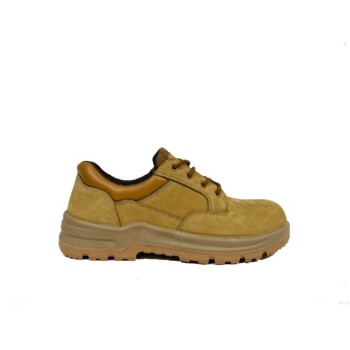
Professional protective shoe covers function as a critical physical barrier within a Personal Protective Equipment (PPE) ensemble. Their specific purpose is to prevent pathogens found in floor liquids from contaminating personal footwear while simultaneously reducing the risk of tracking contaminants between different work zones.
In high-risk environments, foot barrier equipment serves a dual purpose: it protects the wearer’s feet and personal footwear from direct exposure to hazardous fluids, and it preserves environmental biosafety by preventing the migration of pathogens across different operational areas.
The Mechanics of the Physical Barrier
Shielding Personal Footwear
The most immediate function of professional shoe covers is to act as a shield for the wearer's personal footwear.
They prevent direct contact with floor liquids, pathogens, and contaminants that accumulate on walking surfaces.
In oral clinical settings, this protection extends to repelling splashes of blood, saliva, and chemical disinfectants generated during treatment procedures.
Minimizing Skin Exposure
Beyond protecting shoes, these barriers reduce the risk of occupational exposure to the skin itself.
By blocking hazardous fluids, they prevent infectious agents or chemicals from making contact with the skin of medical personnel's feet.
This is particularly vital for preventing infection through damaged skin, which can serve as an entry point for pathogens.
Environmental Biosafety and Zoning
Preventing Cross-Contamination
Shoe covers are essential for maintaining the hygiene integrity of different work zones.
Pathogens and contaminants easily adhere to shoe soles; covers prevent these agents from being tracked from a contaminated area into a clean zone.
This containment is a primary strategy for cutting off potential pathways for cross-infection within a facility.
Mitigating Secondary Contamination
In industrial or logistics contexts, this equipment ensures toxic substances are not carried into non-operational areas.
For example, specialized footwear prevents workers from tracking hazardous material leaks or forklift emissions into clean rest areas.
This isolation is critical for protecting long-term worker health in confined or non-standard spaces.
Integration into the PPE Ensemble
Comprehensive Surface Defense
Shoe covers do not operate in isolation; they are part of a holistic body surface defense system.
When combined with disposable protective clothing and round caps, they minimize the total surface area of skin and personal clothing exposed to the environment.
Breaking Infection Pathways
This full-coverage configuration prevents droplets and settling particles from attaching directly to the operator.
By covering the extremities, the equipment cuts off specific transmission routes that standard clothing cannot address.
Critical Considerations for Effectiveness
Maintaining Material Integrity
The protection offered by shoe covers is entirely dependent on the physical integrity of the material.
During high-intensity or long-duration operations, the risk of wear and tear increases significantly.
If the barrier is breached due to friction or duration of use, environmental biosafety is immediately compromised.
The Limits of Protection
While effective against splashes and tracking, shoe covers must be viewed as a supplementary layer rather than a total solution.
They effectively mitigate surface contact but must be paired with rigorous protocols to ensure they are donned and doffed without self-contamination.
Making the Right Choice for Your Goal
To select the appropriate foot barrier equipment, you must identify the primary vector of risk in your specific environment.
- If your primary focus is Clinical Safety: Prioritize covers that offer high fluid resistance to block blood, saliva, and chemical disinfectants from contacting skin or footwear.
- If your primary focus is Environmental Control: Prioritize durability and fit to ensure the barrier remains intact to prevent tracking pathogens between zones.
Effective foot protection is not just about keeping shoes clean; it is a fundamental control measure for containing biological and chemical hazards at the floor level.
Summary Table:
| Key Function | Primary Benefit | Target Risk Factors |
|---|---|---|
| Physical Shielding | Protects footwear from fluid penetration | Blood, saliva, and chemical disinfectants |
| Skin Protection | Prevents occupational skin exposure | Dermal contact with infectious agents |
| Zoning Control | Mitigates cross-contamination | Tracking pathogens between work zones |
| PPE Integration | Completes full-body surface defense | Droplets and settling bio-particles |
| Hazard Isolation | Prevents secondary contamination | Industrial leaks and toxic residues |
Secure Your Operational Biosafety with 3515 Footwear Solutions
Maintaining a sterile environment requires more than just standard gear; it demands high-performance barrier protection. As a large-scale manufacturer serving global distributors and brand owners, 3515 offers comprehensive production capabilities for all footwear types. Our flagship Safety Shoes series and specialized tactical boots are engineered to meet the rigorous demands of clinical and high-risk environments.
From durable work boots to precision-engineered protective footwear, we provide bulk solutions tailored to your specific safety standards. Partner with us to enhance your product portfolio with footwear that prioritizes durability and biosafety.
Contact us today to discuss your bulk requirements and custom production needs!
References
- Darshini Ayton, Michelle Ananda‐Rajah. Experiences of personal protective equipment by Australian healthcare workers during the COVID-19 pandemic, 2020: A cross-sectional study. DOI: 10.1371/journal.pone.0269484
This article is also based on technical information from 3515 Knowledge Base .
Related Products
- Wholesale Safety Footwear Manufacturer for Bulk & Custom OEM Orders
- Premium Safety Shoes with Rotating Buckle Safety Sneakers
- Custom Safety Shoe Manufacturer for Wholesale & OEM Brands
- Customizable Slip-On Safety Shoes Direct from the Factory for Wholesale
- Wholesale Anti-Smash & Puncture-Proof Safety Shoes Custom Manufacturing for Brands
People Also Ask
- What type of safety shoe is recommended for workers exposed to heavy machinery? Steel Toe Boots for Ultimate Protection
- Why are industrial safety boots with steel toes necessary for machine operators? Essential Foot Protection for Safety
- Why are steel toes popular in safety footwear? The Ultimate Guide to Heavy-Duty Protection
- What are the recommended uses for steel toe safety shoes? Essential Protection for High-Risk Industries
- Is the myth about steel toe shoes cutting off toes true? Debunking the Safety Footwear Myth