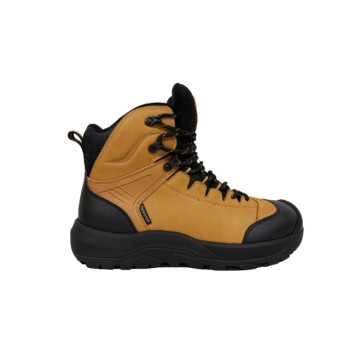
Reliable winter footwear performance begins with a synergy of material science and precision engineering. To effectively serve cold, snowy climates, boots must integrate three non-negotiable functional requirements: a waterproof barrier to repel moisture, high-efficiency thermal insulation to retain body heat, and a high-traction outsole designed for stability on ice and slush. Meeting these requirements at scale requires a manufacturing partner with deep technical heritage and robust quality control systems.
To secure market share in cold-weather regions, distributors must provide footwear that balances moisture protection, thermal regulation, and mechanical grip. Success in this category depends on sourcing from high-capacity manufacturers who can integrate these complex features into consistent, large-volume production runs.
Engineering for Moisture Management
The Role of Waterproof Exteriors
The primary defense against snow and slush is a waterproof exterior that prevents moisture penetration. High-quality production utilizes materials such as Gore-tex, treated leathers, or vulcanized rubber to ensure the foot remains dry. For brand owners, the challenge lies in maintaining this barrier without compromising the aesthetic appeal of the boot.
Seam-Sealing and Construction Integrity
Even the best materials will fail if the construction is subpar. Precision manufacturing involves seam-sealing and specialized bonding techniques that prevent water ingress at the stitch lines. Our legacy in footwear, dating back to 1951, ensures that these technical details are handled with ancestral expertise and modern state-of-the-art equipment.
Thermal Regulation and Heat Retention
Insulation Density and Material Choice
To effectively trap heat, winter boots typically require at least 200 grams of insulation, such as Thinsulate or PrimaLoft. In extreme conditions, natural linings like wool, fleece, or shearling provide superior warmth. Distributors must ensure their inventory matches the specific temperature ratings of their target climate to avoid product returns.
Specialized Liners for Extreme Cold
For environments reaching below -20°C, removable inner boots or thick felt liners are essential for maximum heat retention. These systems allow for easier drying and replacement, extending the product's lifespan. We leverage OEM/ODM capabilities to customize these insulation levels based on the specific geographic needs of your clientele.
Mechanical Traction and Surface Stability
Advanced Compound Outsoles
Stability on ice and snow requires high-traction outsoles featuring deep lug patterns similar to winter tires. These outsoles are often crafted from specialized rubber compounds that remain flexible in sub-zero temperatures. A rigid sole in the cold becomes brittle and loses its "bite" on the ice, leading to safety concerns.
Balancing Flexibility and Sensitivity
In specialized sectors, such as winter riding boots, the design must provide warmth without adding excessive bulk. This allows the wearer to maintain sensitivity and contact while navigating wet or icy terrain. Achieving this balance requires a sophisticated supply chain capable of sourcing high-efficiency, low-profile padding.
Understanding the Trade-offs and Pitfalls
Bulk vs. Mobility
Increasing insulation often leads to a bulkier boot, which can impede movement or interfere with specialized equipment like stirrups or vehicle pedals. Manufacturers must use high-density synthetic fibers to achieve warmth without the weight. Choosing the wrong insulation-to-weight ratio can alienate professional users who require agility.
Breathability vs. Waterproofing
While a boot must be waterproof, it must also allow internal moisture (sweat) to escape. Total waterproofing with non-breathable materials can lead to damp socks, which paradoxically increases the risk of frostbite. Utilizing breathable membranes is critical for long-term comfort but requires more rigorous international certifications to verify performance.
Applying Technical Standards to Your Portfolio
To maximize the commercial viability of your winter footwear line, your sourcing strategy must align with the specific environmental demands of your end-users.
- If your primary focus is Extreme Cold (-20°C and below): Prioritize boots with removable liners, high-denier insulation, and specialized "winter tire" tread designs for maximum safety.
- If your primary focus is Specialized Performance (e.g., Riding): Focus on high-efficiency, thin padding that offers a waterproof barrier while maintaining the wearer's sensitivity and range of motion.
- If your primary focus is High-Volume Retail Stability: Partner with a manufacturer with massive production scale and a heritage of consistent quality to ensure your supply chain remains robust during peak winter demand.
Partnering with a manufacturer that possesses deep technical expertise and global certifications is the most effective way to deliver high-performance footwear that withstands the harshest climates.
Summary Table:
| Functional Requirement | Key Technical Features | Manufacturing Focus |
|---|---|---|
| Moisture Management | Waterproof membranes & Seam-sealing | Precision bonding & material integrity |
| Thermal Regulation | 200g+ insulation (Thinsulate/Wool) | OEM/ODM customization for climate |
| Mechanical Traction | Cold-flexible rubber & Deep lug patterns | High-traction compound engineering |
| Breathability | Breathable membranes & moisture wicking | International performance certifications |
Elevate Your Winter Footwear Line with 3515’s Manufacturing Excellence
As a large-scale manufacturer serving distributors and brand owners since 1951, 3515 provides the robust supply chain and technical expertise needed to master extreme-weather footwear production. Our massive production scale ensures consistent, large-volume delivery across our flagship Safety Shoes series, tactical boots, outdoor footwear, and formal dress shoes.
Why partner with 3515?
- Technical Heritage: 70+ years of expertise in engineering durable, high-performance footwear.
- Comprehensive OEM/ODM: Tailored insulation, traction, and styling to meet your specific market needs.
- Stable Supply Chain: State-of-the-art equipment and global certifications to guarantee quality at scale.
Looking to secure a reliable supply of high-performance winter boots? Contact our expert team today to discuss your bulk requirements!
Related Products
- Premium Insulated Safety Boots and Shoes for Wholesale & Bulk Orders
- Factory Direct Wholesale Rain Boots Durable Waterproof & Fully Customizable
- Durable Waterproof Rain Boots | Custom Manufacturer for Wholesale & Brands
- Wholesale Waterproof Tactical Boots Custom Suede & High-Traction Soles
- High Performance Fire-Retardant Waterproof Safety Boots
People Also Ask
- What are the recommended insulation ratings for mild winter conditions? A Guide for Active & Stationary Workers
- How does insulation thickness correlate with temperature ranges? A Guide to Choosing the Right Warmth
- What insulation level is needed for severe cold and stationary work? 1200g or Higher is Essential
- What safety advantages do insulated boots offer beyond warmth? Dielectric Protection & Superior Grip
- How does fleece lining contribute to the warmth of insulated boots? Trapping Air for Superior Cold Protection