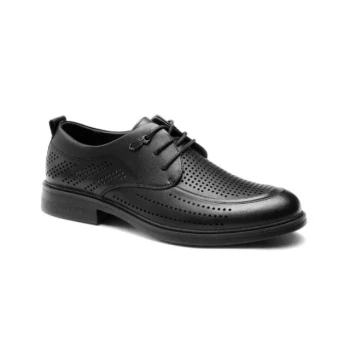
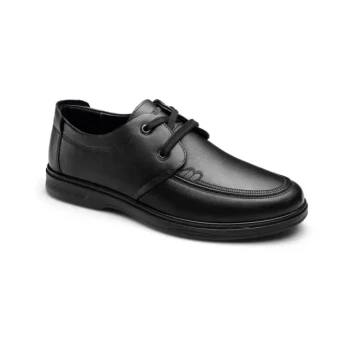
Buffing and polishing act as critical refinement steps in the final stages of leather footwear manufacturing, utilizing high-speed rotating abrasives or brushes to alter the material's surface properties. While often grouped together, they serve opposing functions: buffing is a preparatory process used to remove surface irregularities and ensure coating adhesion, while polishing is a finishing process driven by friction to enhance gloss, texture, and protection.
In leather footwear production, buffing provides the necessary structural preparation by correcting defects and improving adhesion, while polishing delivers the final aesthetic value and environmental protection required for high-quality products like formal dress shoes.
The Function of Buffing: Surface Preparation
Buffing is primarily a corrective and preparatory application. It relies on the mechanical action of high-speed rotating abrasives to physically alter the leather's surface profile.
Removing Surface Irregularities
The primary application of buffing is the elimination of physical defects. Rotating abrasives shave away uneven areas, scuffs, or natural imperfections in the leather grain. This ensures a uniform canvas before any final treatments are applied.
Optimizing Coating Adhesion
Buffing is essential for ensuring that subsequent layers bond correctly to the shoe. By slightly roughening the surface texture, the process increases the surface area available for bonding. This mechanical "keying" allows dyes, finishes, or adhesives to grip the leather more effectively, preventing peeling or flaking later.
The Function of Polishing: Aesthetic Refinement
Polishing is the final touch designed to elevate the visual and tactile quality of the footwear. Unlike the abrasive nature of buffing, this process uses physical friction—often via brushes—to smooth and seal the surface.
Achieving Gloss and Texture
Polishing manipulates the surface orientation of the leather fibers and waxes through friction. This generates heat and pressure that smooths the microscopic landscape of the leather, resulting in a high-gloss finish. It allows manufacturers to precisely control the final texture, creating the mirror-like shine expected in products such as formal dress shoes.
Enhancing Surface Protection
Beyond aesthetics, polishing serves a functional protective role. The friction-based application helps compact the surface and seal in treatments. This creates a barrier that enhances the durability of the finished shoe, protecting the leather against minor environmental wear.
Understanding the Trade-offs
While these equipment processes are vital, they introduce specific risks that must be managed during manufacturing.
The Risk of Material Degradation
Buffing is inherently subtractive; it removes material to achieve smoothness. Aggressive buffing can thin the leather too much or damage the integrity of the grain, potentially weakening the shoe's structure. Operators must balance defect removal with the preservation of material strength.
Heat Generation Management
Both buffing and polishing utilize high-speed rotation and friction. This generates significant heat, which can burn or discolor sensitive leathers if not carefully controlled. Proper equipment calibration is required to achieve the desired finish without thermally damaging the product.
Making the Right Choice for Your Goal
To maximize the value of your finishing equipment, apply the specific process that aligns with your immediate objective.
- If your primary focus is Structural Integrity and Bonding: Prioritize buffing to level the surface and create the mechanical tooth necessary for reliable coating adhesion.
- If your primary focus is Consumer Appeal and Shelf Life: Prioritize polishing to seal the surface, protect against elements, and achieve the high-gloss aesthetic required for premium markets.
Mastering the transition from the abrasive preparation of buffing to the frictional refinement of polishing is the key to producing superior leather footwear.
Summary Table:
| Process | Primary Action | Key Application | Main Benefit |
|---|---|---|---|
| Buffing | Mechanical Abrasion | Removing surface defects & irregularities | Enhances coating adhesion and surface uniformity |
| Polishing | Friction & Heat | Sealing surface with brushes/waxes | Achieves high-gloss finish and environmental protection |
Partner with 3515 for Premium Footwear Manufacturing Solutions
As a large-scale manufacturer serving global distributors and brand owners, 3515 leverages advanced buffing and polishing techniques to deliver exceptional quality across our entire product range. Whether you require the mirror-like finish of our Dress & Formal shoes or the rugged durability of our flagship Safety Shoes and tactical boots, our comprehensive production capabilities ensure your bulk requirements are met with precision and excellence.
Our extensive portfolio—including outdoor shoes, training shoes, and sneakers—is built on decades of expertise in footwear refinement. Contact us today to discuss how our manufacturing scale and technical mastery can add value to your brand and streamline your supply chain.
References
- Judy Angel D., Prakash Muthuperumal. Prevalence and factors associated with occupational health problems among leather footwear manufacturing workers in Ambur town, Thirupathur district, Tamil Nadu, India. DOI: 10.18203/2394-6040.ijcmph20221762
This article is also based on technical information from 3515 Knowledge Base .
Related Products
- Durable Leather Work Boots for Wholesale & Custom Manufacturing
- Durable Leather High-Ankle Tactical Boots for Wholesale & Custom Manufacturing
- Durable Goodyear Welt Leather Work Boots for Wholesale & Private Label
- Durable Leather Tactical Boots Wholesale & Custom Manufacturing for Brands
- Wholesale Comfort Leather Business Shoes with Dial Lacing System
People Also Ask
- What is the difference between full-grain and top-grain leather? Premium Material Guide for Boot Manufacturers
- What are the common workplace hazards that can be mitigated with the right work boots? Protect Your Workforce
- What are the common foot issues workers face due to uncomfortable work boots? Prevent Pain & Deformities
- What are the advantages of leather versus synthetic work boots? A Guide to Choosing the Right Material
- What are the key components of modern work boots? Engineered for Ultimate Durability and Comfort