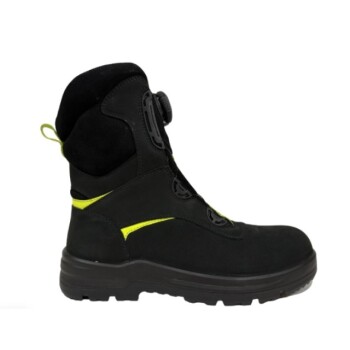
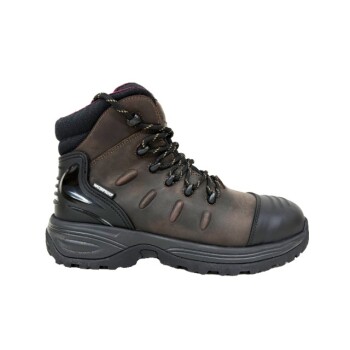
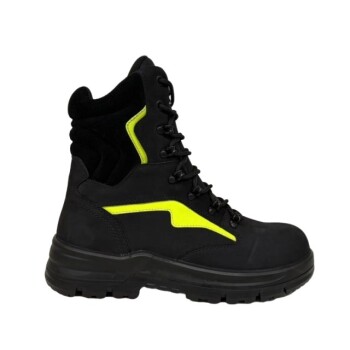
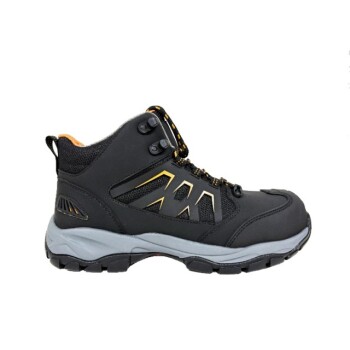
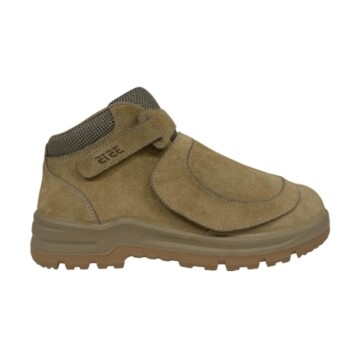
Standardizing safety boots and PPE offers management a strategic advantage by transforming safety from a concept into a visible operational asset. By implementing consistent equipment standards, leadership effectively reduces production interruptions caused by injuries and stabilizes the workforce against high turnover. Crucially, this standardization provides immediate, tangible evidence of legal compliance during regulatory inspections.
Core Insight: The true value of standardized PPE lies in its ability to mitigate operational risk. It acts as both a physical shield for the workforce and a legal shield for the company, offering clear proof of compliance while protecting productivity.
Strengthening Operational Stability
Minimizing Production Interruptions
In labor-intensive industries, the continuity of work is paramount. Workplace injuries are a primary cause of stalled production lines and missed deadlines. By mandating high-quality, standardized safety footwear, management proactively reduces the frequency of these accidents, ensuring workflows remain uninterrupted.
Reducing Employee Turnover
High turnover rates are costly and disruptive to project momentum. Providing quality safety gear demonstrates a tangible commitment to worker well-being. This investment fosters a safer environment, which directly contributes to higher retention rates and a more stable, experienced workforce.
Streamlining Regulatory Compliance
Visual Evidence for Inspections
Regulatory audits can be stressful and complex. Standardized PPE serves as a visible indicator of compliance that inspectors can verify immediately upon entering the site. This uniformity signals that safety protocols are systemic rather than sporadic.
Fulfilling Legal Obligations
Management bears the burden of proof regarding labor safety laws. Implementing a consistent standard for footwear and protective equipment creates a clear audit trail. This provides the necessary evidence that the business is actively fulfilling its legal health and safety obligations, protecting the organization from liability.
Strategic Considerations and Trade-offs
Initial Investment vs. Long-Term Savings
Standardizing high-quality gear requires a larger upfront capital outlay than allowing workers to source their own equipment. Management must weigh this immediate expense against the long-term savings gained from reduced injury claims and avoided downtime.
Implementation Consistency
The benefits of standardization are only realized through strict enforcement. Management must accept the administrative burden of monitoring compliance to ensure every worker adheres to the standard, as gaps in enforcement can negate the legal protection standardization provides.
Making the Right Choice for Your Organization
To derive the most value from your PPE strategy, assess your current operational challenges.
- If your primary focus is Compliance and Liability: Prioritize standardized gear that is easily identifiable and meets the highest regulatory codes to serve as irrefutable evidence during audits.
- If your primary focus is Productivity and Retention: Invest in high-comfort, high-quality footwear to minimize physical strain, thereby reducing injury-related absenteeism and turnover.
Standardized safety equipment is not just a purchase; it is a foundational investment in the legal and operational health of your business.
Summary Table:
| Management Goal | Advantage of Standardization | Impact on Business |
|---|---|---|
| Operational Stability | Reduces workplace injuries | Prevents production line stalls and missed deadlines |
| Regulatory Compliance | Provides visible evidence for audits | Mitigates legal liability and streamlines inspections |
| Workforce Retention | Demonstrates commitment to safety | Lowers turnover costs and stabilizes project momentum |
| Risk Management | Creates a clear audit trail | Protects the organization from costly legal claims |
Elevate Your Operational Safety with 3515
As a large-scale manufacturer serving distributors and brand owners, 3515 offers comprehensive production capabilities for all footwear types, anchored by our flagship Safety Shoes series. We understand the strategic importance of standardized PPE in labor-intensive industries. Our extensive portfolio—covering work and tactical boots, outdoor shoes, training shoes, sneakers, and Dress & Formal shoes—is designed to meet your diverse bulk requirements while ensuring maximum compliance and worker protection.
Contact us today to secure your workforce and streamline your operations.
References
- Gabriella Cioce, James Davison Hunter. How does informalisation encourage or inhibit collective action by migrant workers? A comparative analysis of logistics warehouses in Italy and hand car washes in Britain. DOI: 10.1111/irj.12359
This article is also based on technical information from 3515 Knowledge Base .
Related Products
- Puncture-Resistant Velcro Safety Boots for Wholesale & Custom Manufacturing
- Wholesale Durable Safety Boots | Custom Steel Toe & Puncture-Resistant Manufacturing
- Premium Grain Leather Safety Boots for Bulk Supply
- Heavy-Duty Waterproof Nubuck Safety Boots Safety Shoes for Bulk Supply
- Premium High-Cut Waterproof Safety Boots Manufacturing & Wholesale Solutions
People Also Ask
- Why are industrial safety boots with steel toes necessary for machine operators? Essential Foot Protection for Safety
- What are the characteristics of steel toe safety boots? Maximum Protection, Key Trade-offs
- Is it true that steel toes can cause toes to get cut off? Debunking the Dangerous Myth
- What are the primary safety functions of safety boots with steel-toe designs? Essential Protection for Industry
- What do the symbols M, F, I, and C represent on safety toe boots? Decode ASTM F2413 for Maximum Protection