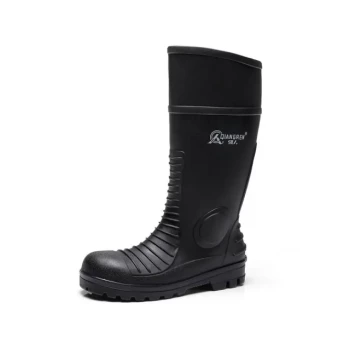
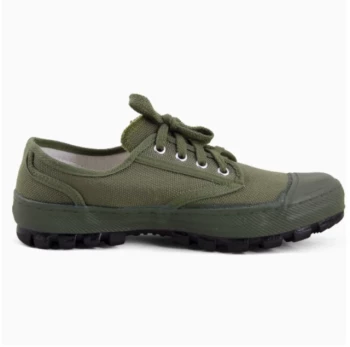
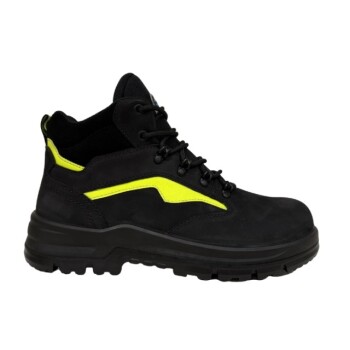
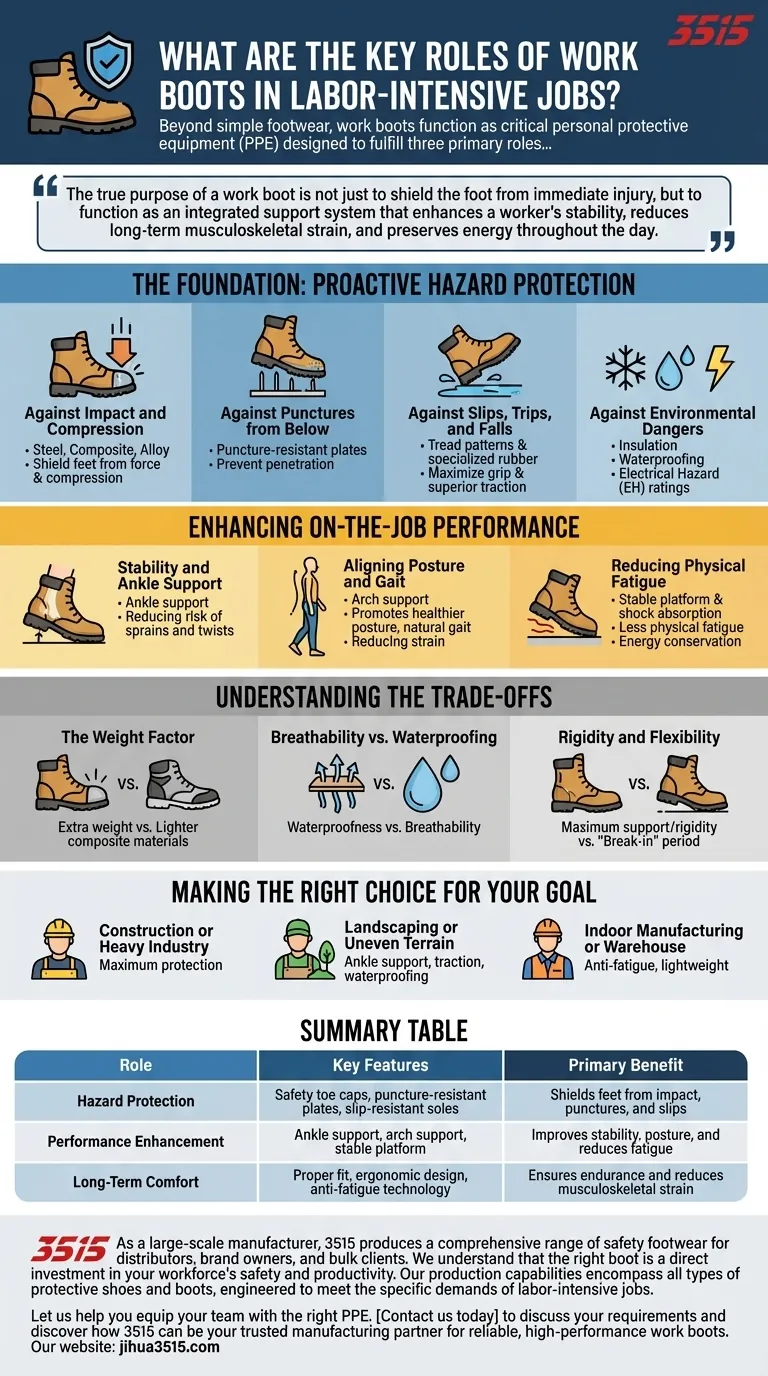
Beyond simple footwear, work boots function as critical personal protective equipment (PPE) designed to fulfill three primary roles in any demanding job: providing robust protection from workplace hazards, enhancing physical performance and stability, and ensuring the necessary comfort to reduce fatigue over long hours. They are an essential tool engineered for safety and endurance.
The true purpose of a work boot is not just to shield the foot from immediate injury, but to function as an integrated support system that enhances a worker's stability, reduces long-term musculoskeletal strain, and preserves energy throughout the day.
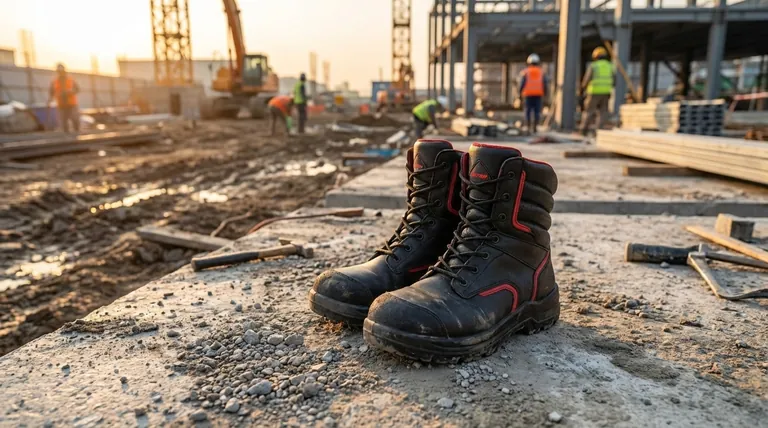
The Foundation: Proactive Hazard Protection
A work boot's most fundamental role is to act as the first and last line of defense against a wide array of physical dangers common in labor-intensive environments.
Against Impact and Compression
The most recognized safety feature is the protective toe cap. Whether made of steel, composite, or alloy, these reinforced toes are designed to shield the feet from the force of falling objects and the compression risks from heavy machinery or rolling equipment.
Against Punctures from Below
Many job sites have hidden dangers on the ground, such as loose nails, sharp scrap metal, or rebar. Puncture-resistant plates, often made of steel or flexible composites, are integrated into the midsole to prevent these objects from penetrating the sole of the boot.
Against Slips, Trips, and Falls
Slips are one of the most common causes of workplace injury. Work boot outsoles are engineered with specific tread patterns and specialized rubber compounds to maximize grip and provide superior traction on wet, oily, or uneven surfaces.
Against Environmental Dangers
Boots are specialized to handle specific environmental threats. This includes insulation for extreme cold, waterproofing for wet conditions, and certified Electrical Hazard (EH) ratings that protect against accidental contact with live electrical circuits.
Enhancing On-the-Job Performance
Properly designed work boots go beyond passive protection; they actively contribute to a worker's efficiency and physical well-being.
Stability and Ankle Support
Jobs that require navigating uneven terrain or climbing ladders demand stability. The rigid structure and height of a work boot provide critical ankle support, significantly reducing the risk of sprains and twists.
Aligning Posture and Gait
A well-constructed footbed and shank provide essential arch support. This helps maintain proper foot alignment, which in turn promotes a healthier posture and more natural gait, reducing strain that would otherwise travel up to the knees, hips, and lower back.
Reducing Physical Fatigue
By providing a stable platform and absorbing shock, work boots reduce the micro-adjustments your muscles must make to maintain balance. This conservation of energy leads directly to less physical fatigue over the course of a long and demanding shift.
Understanding the Trade-offs
Choosing the right work boot involves balancing competing needs. Maximum protection in one area can sometimes compromise another feature.
The Weight Factor
Features like steel toes and thick, puncture-proof soles add significant protection but also increase the boot's weight. Over a day, this extra weight can contribute to fatigue, making lighter composite materials a better choice for some roles.
Breathability vs. Waterproofing
A fully waterproof boot is excellent for keeping feet dry from external moisture. However, the membranes that block water can also trap sweat, leading to discomfort. This creates a trade-off between waterproofness and breathability.
Rigidity and Flexibility
Maximum support often comes from a rigid boot structure. While excellent for stability, this rigidity can feel restrictive and often requires a lengthy "break-in" period before the boot becomes comfortable for all-day wear.
Making the Right Choice for Your Goal
Selecting the right boot requires matching its features to the specific demands of your job.
- If your primary focus is construction or heavy industry: Prioritize maximum protection with certified safety toes, puncture-resistant plates, and a durable outsole.
- If your primary focus is landscaping or work on uneven terrain: Emphasize ankle support, aggressive traction for loose ground, and waterproofing.
- If your primary focus is indoor manufacturing or warehouse work: Balance safety features with anti-fatigue technology and lightweight materials to reduce the strain of standing on concrete.
Investing in the correct work boot is a direct investment in your daily safety, long-term health, and ability to perform at your best.
Summary Table:
| Role | Key Features | Primary Benefit |
|---|---|---|
| Hazard Protection | Safety toe caps, puncture-resistant plates, slip-resistant soles | Shields feet from impact, punctures, and slips |
| Performance Enhancement | Ankle support, arch support, stable platform | Improves stability, posture, and reduces fatigue |
| Long-Term Comfort | Proper fit, ergonomic design, anti-fatigue technology | Ensures endurance and reduces musculoskeletal strain |
As a large-scale manufacturer, 3515 produces a comprehensive range of safety footwear for distributors, brand owners, and bulk clients. We understand that the right boot is a direct investment in your workforce's safety and productivity. Our production capabilities encompass all types of protective shoes and boots, engineered to meet the specific demands of labor-intensive jobs.
Let us help you equip your team with the right PPE. Contact us today to discuss your requirements and discover how 3515 can be your trusted manufacturing partner for reliable, high-performance work boots.
Visual Guide
Related Products
- Durable Leather Work Boots for Wholesale & Custom Manufacturing
- Durable Leather Work Boots for Wholesale & Custom OEM Manufacturing
- Durable Leather Work Boots Wholesale Manufacturer & Custom Factory
- Durable Leather Moc Toe Work Boots for Wholesale & Custom Manufacturing
- Wholesale Leather Work Boots with Customizable Wedge Sole for Brands
People Also Ask
- What is the difference between full-grain and top-grain leather? Premium Material Guide for Boot Manufacturers
- What are the common workplace hazards that can be mitigated with the right work boots? Protect Your Workforce
- What are the common foot issues workers face due to uncomfortable work boots? Prevent Pain & Deformities
- What are the advantages of leather versus synthetic work boots? A Guide to Choosing the Right Material
- What are the key components of modern work boots? Engineered for Ultimate Durability and Comfort