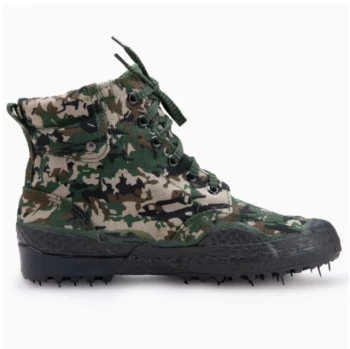
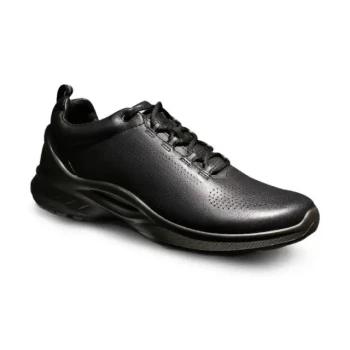
At their core, the soles of hunting footwear are engineered for three primary functions: traction, protection, and stability. They achieve this with features like deep, multi-directional lugs for superior grip, non-slip and puncture-resistant materials, and specialized designs that shed mud and debris to maintain consistent footing. High-quality boots often utilize durable vulcanized or molded rubber, sometimes incorporating steel plates for maximum safety against hazards.
The sole of a hunting boot is not just a layer of rubber; it is a specialized tool designed to connect you safely and effectively to the ground. Choosing the right sole means matching its specific traction and protection features to the unique demands of your hunting environment.
The Foundation of Performance: Deconstructing the Sole
A boot's effectiveness begins where it meets the earth. The outsole is the critical interface that determines your stability and safety, and its design is a direct response to the challenges of the outdoors.
Traction and Grip
The primary job of any hunting sole is to prevent slips and falls.
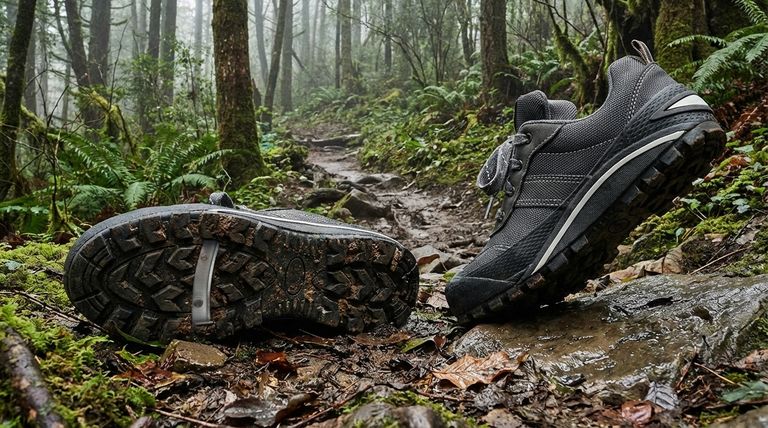
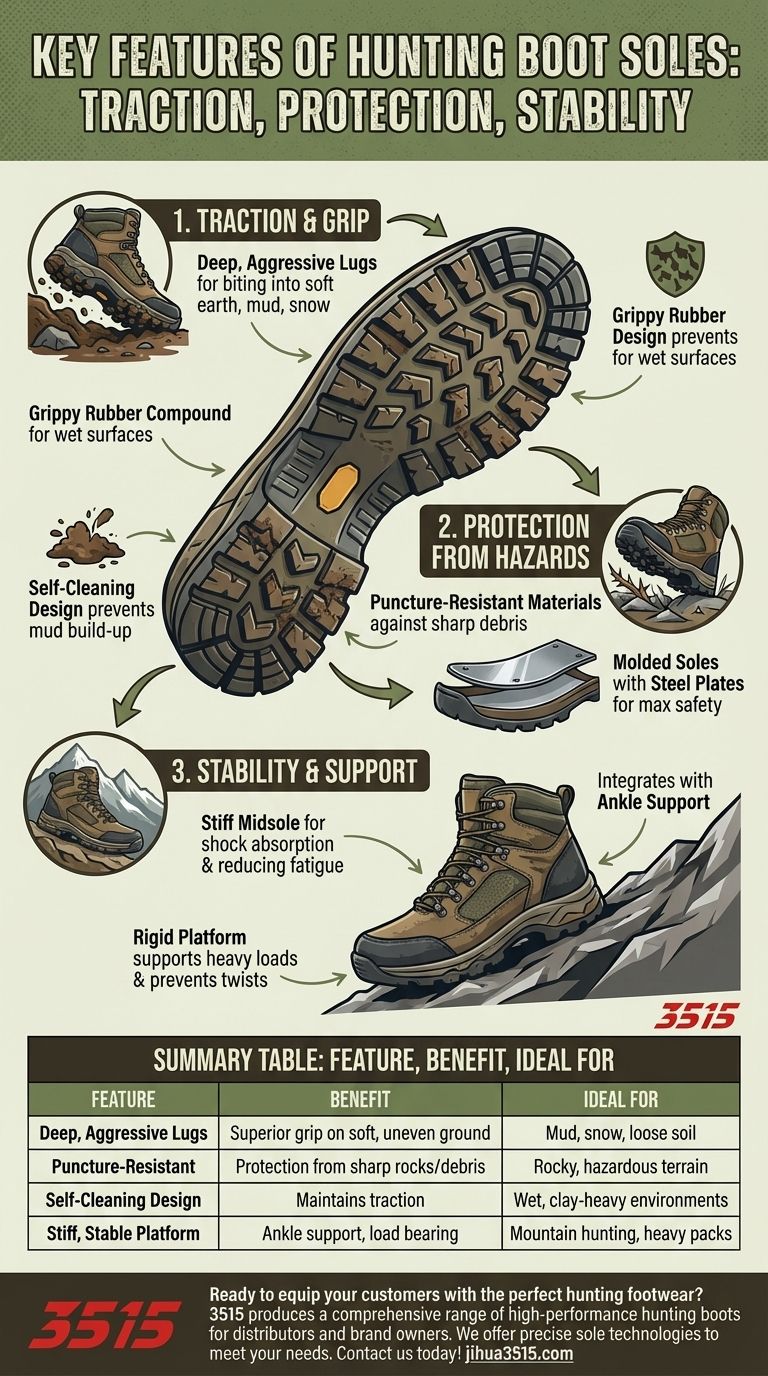
Manufacturers achieve this with deep, aggressive lugs—the tread patterns on the bottom of the boot—that are designed to bite into soft earth, mud, and snow. A grippy rubber compound ensures stable traction even on smooth, wet surfaces like rock or fallen logs.
Protection from Hazards
The ground is unpredictable and can hide sharp rocks, sticks, and other debris.
Soles are made from durable materials specifically chosen for their puncture resistance. For hunts in the most demanding terrain, some models feature molded soles with integrated steel plates, providing an exceptional level of protection from below.
Material and Construction
The material dictates the sole's durability and performance characteristics.
Most hunting boots use either vulcanized rubber, which is known for its toughness and durability, or advanced molded rubber compounds. Brands like Vibram are renowned for creating specialized outsoles that offer an excellent balance of grip and longevity for tough terrain.
Self-Cleaning Design
Traction is useless if the sole's lugs are packed with mud or clay.
Effective hunting soles incorporate tread patterns designed to prevent the accumulation of dirt and debris. As you walk and the sole flexes, these channels work to push mud out, ensuring the lugs remain clear and able to grip the ground.
How the Sole Works with the Rest of the Boot
The outsole is a critical part of a complete footwear system. Its performance is directly supported by the other components of the boot, which work together to keep you safe and comfortable.
The Role of the Midsole
While the outsole grips the ground, the midsole absorbs the impact.
This layer provides crucial cushioning and shock absorption, reducing fatigue on long treks over hard ground. A well-designed midsole provides support and prevents the feeling of sharp rocks underfoot.
Integrating Ankle Support
A rigid, stable sole is the foundation for effective ankle support.
Mountain hunting boots, in particular, pair a stiff sole with a high, supportive upper. This combination creates a rigid platform that resists twisting and helps prevent sprains, especially when navigating steep inclines or carrying a heavy pack.
Completing the Weatherproof Seal
The sole's construction is fundamental to the boot's overall waterproofing.
The outsole is bonded to the boot's upper in a way that creates a waterproof seal. This works in concert with internal waterproof membranes (like GORE-TEX) and moisture-wicking technologies (like BOGS Max-Wick) to ensure your feet stay dry from both external water and internal sweat.
Understanding the Trade-offs
No single sole design is perfect for every situation. Choosing the right boot involves understanding the key trade-offs between different features.
Stiffness vs. Flexibility
A stiffer sole provides more support for carrying heavy loads and traversing mountainsides. However, this rigidity can make it feel clumsy and loud when trying to stalk quietly on flatter ground. A more flexible sole offers a better "feel" for the terrain but provides less support.
Aggressive Lugs vs. Surface Contact
Deep, widely spaced lugs are excellent for digging into mud and soft soil. On smooth, flat surfaces like wet rock, however, a sole with more surface area and a stickier rubber compound may provide more reliable grip.
Durability vs. Weight
The most durable and protective features—thick rubber, steel plates, and robust construction—inevitably add weight. For hunts that require agility and covering long distances quickly, a lighter boot with a less extreme sole might be the better choice, even if it sacrifices some long-term durability.
Selecting the Right Sole for Your Hunt
Your choice should be guided by the terrain you hunt most often and the physical demands of your style.
- If your primary focus is mountain hunting with heavy packs: Prioritize a stiff, robust outsole with deep lugs and integrated shock absorption for maximum stability and support.
- If your primary focus is stalking on varied or flat terrain: Look for a sole that balances aggressive grip with some flexibility for quieter movement and a better feel of the ground.
- If your primary focus is hunting in wet, muddy, or hazardous environments: Emphasize features like non-slip materials, puncture resistance, and self-cleaning lug patterns to ensure safety and consistent traction.
Ultimately, the best sole is the one that gives you the confidence to move safely and effectively through your chosen terrain.
Summary Table:
| Feature | Key Benefit | Ideal For |
|---|---|---|
| Deep, Aggressive Lugs | Superior grip on soft, uneven ground | Mud, snow, and loose soil |
| Puncture-Resistant Materials | Protection from sharp rocks and debris | Rocky or hazardous terrain |
| Self-Cleaning Design | Maintains traction by shedding mud | Wet and clay-heavy environments |
| Stiff, Stable Platform | Ankle support and load bearing | Mountain hunting with heavy packs |
Ready to equip your customers with the perfect hunting footwear?
As a large-scale manufacturer, 3515 produces a comprehensive range of hunting boots and shoes for distributors, brand owners, and bulk clients. Our production capabilities encompass all types of outdoor footwear, engineered with the precise sole technologies—from advanced rubber compounds to specialized lug patterns—detailed in this article.
We can help you source or private label high-performance hunting boots that provide the traction, protection, and stability your customers demand.
Contact our team today to discuss your manufacturing needs and get a quote.
Visual Guide
Related Products
- Wholesale Leather Ankle Boots with Lug Soles for Custom Brand Manufacturing
- Durable Canvas Work Shoes with Rubber Lug Sole | Wholesale Manufacturer
- Durable Spiked Camouflage Boots Wholesale & Factory Production
- Durable Rubber Sole Outdoor Shoes Wholesale & Custom Manufacturing
- Wholesale Waterproof Tactical Boots Custom Suede & High-Traction Soles
People Also Ask
- What is the difference between full-grain and top-grain leather? Premium Material Guide for Boot Manufacturers
- What are the key qualities of leather for work boots? Superior Durability, Breathability & Custom Fit
- What is the complete process for deep cleaning leather work boots? A Step-by-Step Guide to Preserve Your Investment
- What are the advantages of leather uppers in work boots? Unmatched Durability & Protection
- How should new leather work boots be broken in? A Guide to Comfort and Durability