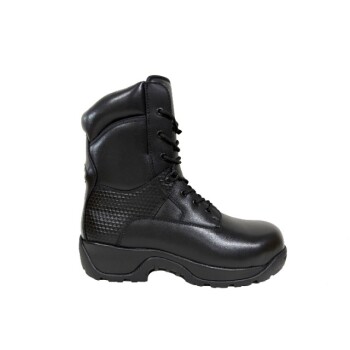
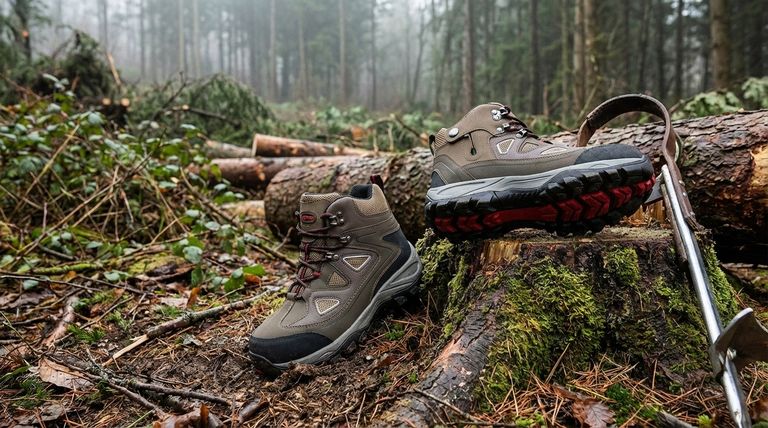
At their core, logger boots are defined by two primary characteristics: a significantly raised heel and a tall shaft. These specialized work boots feature a heel height of 1.25 to 1.5 inches designed specifically for gripping uneven terrain and securing climbing spurs. Their tall, often 10-inch shaft provides exceptional ankle support and protects the lower leg from hazards. Combined with aggressive outsoles, safety toes, and water-resistant construction, these features create a boot purpose-built for the most demanding outdoor work environments.
The unique design of a logger boot, especially its high heel and tall shaft, is not for style; it's a functional system engineered for stability and safety on the treacherous, uneven, and often vertical terrain common in forestry and other rugged professions.
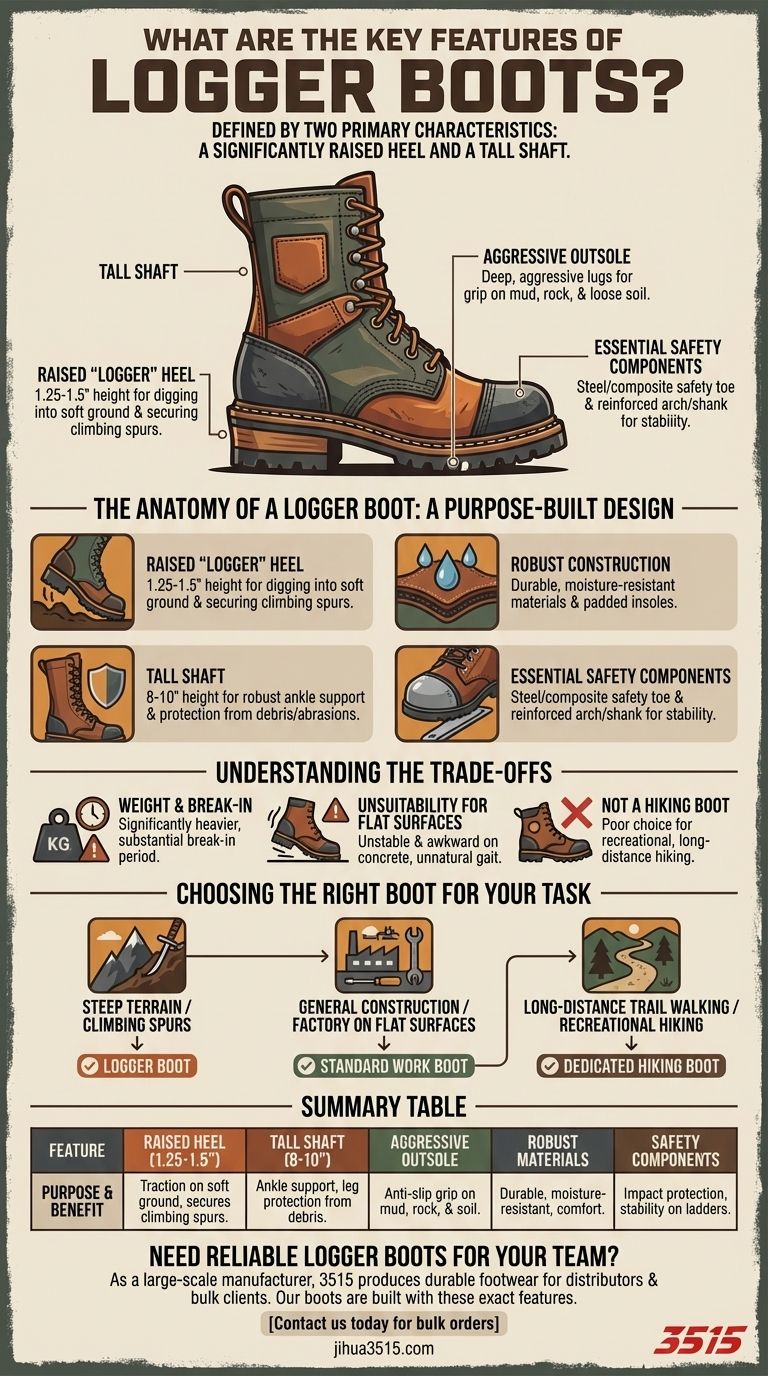
The Anatomy of a Logger Boot: A Purpose-Built Design
Each feature of a logger boot serves a critical function, working together to provide protection and stability in hazardous conditions. Understanding the purpose of each component reveals why this design has remained a staple for outdoor professionals.
The Raised "Logger" Heel
The most distinctive feature is the high, raised heel. This design allows the wearer to dig into soft ground, like dirt and mud, for superior traction on steep inclines.
Critically, this heel also creates a secure channel for locking in climbing spurs (gaffs), which are essential for linemen and arborists who need to scale poles or trees.
The Tall Shaft
Logger boots typically feature a shaft that is 8 to 10 inches tall, or even higher. This provides robust ankle support, which is vital for preventing twists and sprains when navigating rough, unpredictable ground.
The added height also serves as a shield, protecting the lower legs from underbrush, debris, and abrasions.
Aggressive Outsole and Tread
The outsole of a logger boot is equipped with deep, aggressive lugs. This tread pattern is engineered to grip tenaciously on a variety of surfaces, including mud, rock, and loose soil.
The anti-slip properties are crucial for maintaining a secure footing in wet and challenging conditions.
Robust Construction and Materials
These boots are built for durability using thick, moisture-resistant materials like leather. Many models are either water-resistant or fully waterproof to keep feet dry in damp environments.
To combat foot fatigue during long workdays, they also incorporate well-padded insoles and supportive footbeds.
Essential Safety Components
Most logger boots are also safety boots. They commonly include a steel or composite safety toe to protect against impacts and compression.
A reinforced arch or shank is another key feature, providing the rigidity needed to stand comfortably on ladder rungs or climbing spurs for extended periods.
Understanding the Trade-offs
While logger boots offer unmatched performance in their intended environment, their specialized design comes with important trade-offs.
Weight and Break-in Period
Their robust construction makes them significantly heavier than standard work boots or hiking boots. This can lead to fatigue over very long distances on foot.
The stiff leather and rigid structure also mean they typically require a substantial break-in period to become comfortable.
Unsuitability for Flat Surfaces
The same high heel that provides excellent grip on slopes can feel unstable and awkward on hard, flat surfaces like concrete floors or pavement.
Prolonged walking on these surfaces in logger boots can lead to discomfort and an unnatural gait.
Not a Dedicated Hiking Boot
While often described as "hiking-friendly," their weight and rigidity make them a poor choice for recreational, long-distance hiking. A dedicated hiking boot is far lighter and more flexible, designed for covering miles efficiently.
Choosing the Right Boot for Your Task
Selecting the correct footwear is a matter of safety and performance. Consider your primary work environment to make an informed decision.
- If your primary focus is working on steep, uneven terrain or with climbing spurs: The high heel and tall shaft of a logger boot provide unmatched stability and safety.
- If your primary focus is general construction or factory work on flat surfaces: A standard work boot with a lower heel will offer better all-day comfort and is more appropriate for the environment.
- If your primary focus is long-distance trail walking or recreational hiking: A dedicated, lighter-weight hiking boot is the superior choice for comfort and performance.
Understanding the purpose behind each feature ensures you select footwear that enhances your safety and performance, rather than hindering it.
Summary Table:
| Feature | Purpose & Benefit |
|---|---|
| Raised Heel (1.25-1.5") | Digs into soft ground for traction; secures climbing spurs for linemen/arborists. |
| Tall Shaft (8-10") | Provides robust ankle support and protects lower legs from debris and abrasions. |
| Aggressive Outsole | Deep lugs grip mud, rock, and loose soil for anti-slip performance. |
| Robust Materials | Durable, moisture-resistant leather; waterproof options; padded insoles for comfort. |
| Safety Components | Steel/composite safety toe; reinforced shank for stability on ladders/spurs. |
Need Reliable Logger Boots for Your Team?
As a large-scale manufacturer, 3515 produces a comprehensive range of durable footwear for distributors, brand owners, and bulk clients. Our logger boots are built with the exact features outlined above, ensuring your workforce has the stability, safety, and durability required for the most demanding outdoor environments.
Contact us today to discuss your bulk order requirements and get a competitive quote.
Visual Guide
Related Products
- Durable Leather Work Boots for Wholesale & Custom Manufacturing
- Durable Leather Work Boots for Wholesale & Custom OEM Manufacturing
- Durable Leather Work Boots Wholesale Manufacturer & Custom Factory
- Wholesale Leather Work Boots with Customizable Wedge Sole for Brands
- Durable Goodyear Welt Leather Work Boots for Wholesale & Private Label
People Also Ask
- What is the difference between full-grain and top-grain leather? Premium Material Guide for Boot Manufacturers
- What are the common workplace hazards that can be mitigated with the right work boots? Protect Your Workforce
- What are the common foot issues workers face due to uncomfortable work boots? Prevent Pain & Deformities
- What are the advantages of leather versus synthetic work boots? A Guide to Choosing the Right Material
- What are the key components of modern work boots? Engineered for Ultimate Durability and Comfort