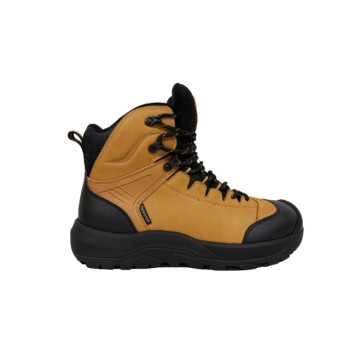
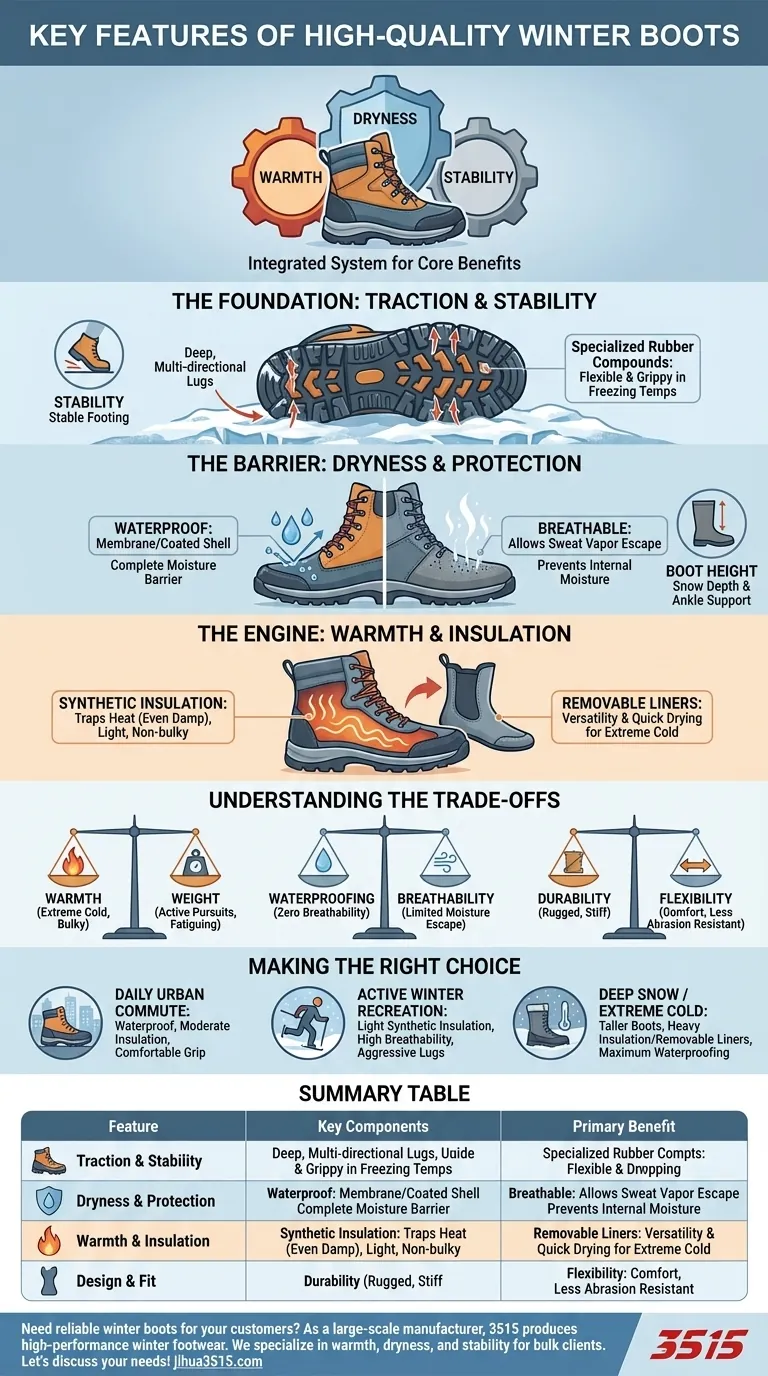
High-quality winter boots are an integrated system designed to deliver three non-negotiable benefits: warmth, dryness, and stability. They achieve this through a careful combination of specialized materials for insulation and waterproofing, ergonomic designs for comfort, and robust outsoles engineered for superior traction on snow and ice.
The best winter boot is not the one with the most features, but the one with the right features for your specific environment and activity. Understanding how each component functions—from the outsole grip to the type of insulation—is the key to making an intelligent choice.
The Foundation: Traction and Stability
A boot's connection to the ground is its most critical safety feature. Without reliable traction, all other features are secondary.
Outsole Material and Design
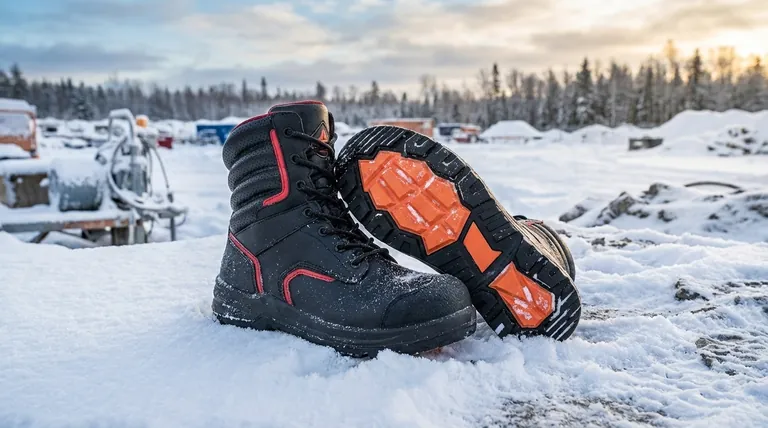
The outsole is your primary defense against slips and falls. High-quality boots use specialized rubber compounds that remain flexible and grippy even in freezing temperatures.
The Role of Lugs
Look for deep, multi-directional lugs in the tread pattern. These aggressive indentations bite into snow and provide stable footing on uneven, icy surfaces, far surpassing the capability of a standard flat sole.
The Barrier: Dryness and Protection
Staying dry is just as important as staying warm. Wet feet lose heat rapidly and are prone to blisters and discomfort.
Waterproof vs. Water-Resistant
Waterproof boots typically use a built-in membrane or a coated shell to create a complete barrier against moisture. Water-resistant boots can handle light snow or rain but will eventually soak through in prolonged wet conditions.
Breathability is Essential
A truly effective barrier must also be breathable. This allows sweat vapor to escape, keeping your feet dry from the inside out. Without breathability, moisture builds up and your insulation becomes ineffective.
The Importance of Boot Height
The height of the boot shaft should match your expected snow depth. A taller boot provides better protection against deep snow entering from the top and offers increased ankle support.
The Engine: Warmth and Insulation
A boot’s ability to retain heat is its core function in cold weather. This is determined by the type and amount of insulation used.
Synthetic Insulation
Most modern winter boots use synthetic insulation. This material is effective because it traps heat even when damp and is generally lighter and less bulky than traditional felt or shearling.
Removable Liners
For maximum versatility and extreme cold, some boots feature removable liners. This allows you to dry the liners quickly overnight or adapt the boot's warmth for different conditions.
Understanding the Trade-offs
There is no single "perfect" boot; every design choice involves a compromise. Understanding these balances is crucial.
Warmth vs. Weight
Heavily insulated boots rated for extreme cold are often bulky and heavy. This is excellent for low-activity situations but can be fatiguing during active pursuits like winter hiking.
Waterproofing vs. Breathability
The most waterproof materials, like solid rubber, offer zero breathability. High-tech waterproof membranes are a sophisticated compromise, but a fully sealed boot will always limit moisture escape to some degree.
Durability vs. Flexibility
The most rugged, durable boots are often stiff and may require a break-in period. More flexible, comfortable boots may not withstand the same level of abrasion or long-term abuse.
Making the Right Choice for Your Needs
Select your boots based on your most common winter activity, not a single extreme scenario.
- If your primary focus is daily urban commuting: Prioritize a fully waterproof design, moderate insulation, and a comfortable, flexible sole with good grip on cleared, icy pavement.
- If your primary focus is active winter recreation (hiking, snowshoeing): Look for lighter-weight synthetic insulation, excellent breathability, aggressive multi-directional lugs, and strong ankle support.
- If your primary focus is deep snow or extreme cold (ice fishing, stationary work): Choose taller boots with heavy insulation (or removable liners), maximum waterproofing, and a wide, stable base.
Ultimately, choosing the right boot means matching its specific features to the demands of your environment and activity level.
Summary Table:
| Feature | Key Components | Primary Benefit |
|---|---|---|
| Traction & Stability | Specialized rubber outsoles, deep lugs | Prevents slips on snow and ice |
| Dryness & Protection | Waterproof membranes, breathable materials | Keeps feet dry from moisture and sweat |
| Warmth & Insulation | Synthetic insulation, removable liners | Retains heat even in extreme cold |
| Design & Fit | Ergonomic design, appropriate boot height | Ensures comfort and ankle support |
Need reliable winter boots for your customers?
As a large-scale manufacturer, 3515 produces a comprehensive range of high-performance winter footwear. We specialize in creating boots that master the balance of warmth, dryness, and stability for distributors, brand owners, and bulk clients. Our production capabilities encompass all types of insulated, waterproof, and traction-focused boots tailored to various climates and activities.
Let's discuss your specific needs and how we can deliver durable, high-quality winter boots for your market.
Contact our expert team today for a consultation!
Visual Guide
Related Products
- Premium Insulated Safety Boots and Shoes for Wholesale & Bulk Orders
- Factory Direct Wholesale Rain Boots Durable Waterproof & Fully Customizable
- Durable Waterproof Rain Boots | Custom Manufacturer for Wholesale & Brands
- Wholesale Waterproof Tactical Boots Custom Suede & High-Traction Soles
- High Performance Fire-Retardant Waterproof Safety Boots
People Also Ask
- What are the recommended insulation ratings for mild winter conditions? A Guide for Active & Stationary Workers
- How does insulation thickness correlate with temperature ranges? A Guide to Choosing the Right Warmth
- What insulation level is needed for severe cold and stationary work? 1200g or Higher is Essential
- What safety advantages do insulated boots offer beyond warmth? Dielectric Protection & Superior Grip
- How does fleece lining contribute to the warmth of insulated boots? Trapping Air for Superior Cold Protection