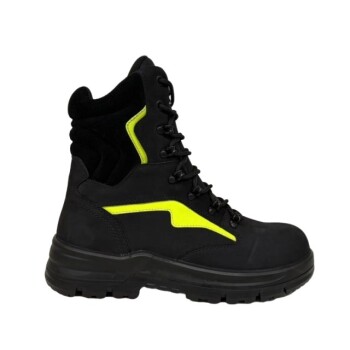
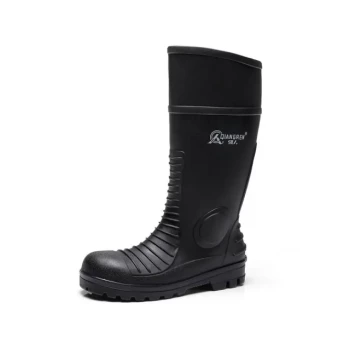
The primary indicators of a poor fit in protective footwear include excessive material wrinkling above the toes, side-to-side foot movement, and front-to-back shifting. While a slight heel lift is acceptable for flexibility, the foot must remain securely locked in place to ensure that protective reinforcements align correctly with the wearer's anatomy.
A secure fit is the foundation of safety footwear performance, ensuring that technical reinforcements stay positioned to protect the user. For high-volume distributors, consistent fit across massive production runs is essential to minimize returns and maintain brand reputation.
Identifying Physical Red Flags During Testing
Excessive Material Wrinkling
When walking, excessive wrinkling of the material above the toe box is a definitive sign that the footwear is too large. This indicates a surplus of volume that can lead to material fatigue and potential tripping hazards.
In a precision-engineered boot, the upper should flex naturally without collapsing inward. Large-scale manufacturing requires rigorous last development to ensure this volume is consistent across all sizes.
Lateral and Longitudinal Shifting
The wearer should not experience any side-to-side movement within the boot. Lateral stability is critical for preventing ankle rolls and ensuring the foot stays centered over the sole.
Furthermore, the foot should not shift front-to-back like a casual shoe. While casual footwear prioritizes ease of entry, protective footwear requires a secure "lockdown" to prevent the toes from slamming into the protective cap during sudden stops.
The Nuance of Heel Movement
A small amount of heel lift is generally acceptable and often necessary. This allows for the natural transition between different foot positions during walking or shifting weight.
However, if the heel lift feels disconnected or causes the foot to slide forward, the fit is compromised. Achieving this balance requires state-of-the-art equipment and a deep understanding of ergonomic design.
The Impact of Manufacturing Precision on Fit
Consistency in Large-Volume Delivery
For B2B resellers and wholesalers, the biggest risk is sizing inconsistency across large batches. A boot that fits in the sample phase must fit identically in a 10,000-unit production run.
Working with a partner with a rich heritage since 1951 ensures that the patterns and lasts used are time-tested and refined. This stability in the supply chain prevents the "fit drift" often seen in smaller, less experienced factories.
Adherence to International Certifications
Proper fit is not just about comfort; it is a requirement for international safety certifications. If a boot is too large, the internal protective components—like steel or composite toes—will not sit over the correct area of the foot.
Comprehensive certification processes ensure that every design meets global standards for impact and compression. This provides brand owners with the confidence that their product will perform in the field as promised.
Understanding the Trade-offs
Comfort vs. Technical Security
A common pitfall is choosing a size based on the "plush" feel of a casual sneaker. Protective footwear must feel intentionally snug to ensure the safety features function correctly.
Weight vs. Durability
Higher levels of protection often involve denser materials, which can change the perceived fit. Expert OEM/ODM capabilities allow for the integration of lightweight materials without sacrificing the structural integrity needed for a secure fit.
Making the Right Choice for Your Goal
How to Apply This to Your Portfolio
When evaluating a manufacturing partner or a new product line, use these fit indicators to assess the quality of the engineering.
- If your primary focus is reducing return rates: Prioritize manufacturers with robust quality control and consistent last geometry to ensure predictable sizing for end-users.
- If your primary focus is brand reputation: Ensure your footwear exhibits minimal material wrinkling and superior lateral support, signaling premium construction to your customers.
- If your primary focus is enterprise-level scaling: Partner with a manufacturer that offers massive production scale and verified international certifications to guarantee stability.
By identifying these indicators early, you ensure that your protective footwear provides the uncompromising safety and reliability your clients demand.
Summary Table:
| Indicator | Physical Sign | Impact on Performance |
|---|---|---|
| Excessive Wrinkling | Surplus volume above the toe box | Tripping hazards & premature material fatigue |
| Lateral Shifting | Side-to-side foot movement | Increased risk of ankle rolls & instability |
| Longitudinal Shifting | Front-to-back sliding | Toes hitting protective caps during sudden stops |
| Excessive Heel Lift | Heel feels disconnected/sliding | Misalignment of internal safety reinforcements |
Secure Your Supply Chain with Precision-Engineered Footwear
For distributors and brand owners, manufacturing consistency is the difference between a successful product line and high return rates. As a large-scale manufacturer serving global partners since 1951, 3515 offers massive production scale and premium OEM/ODM capabilities to ensure every pair meets rigorous international certifications.
Our flagship Safety Shoes series, alongside our extensive portfolio of tactical boots, outdoor shoes, and formal footwear, is anchored by state-of-the-art equipment and time-tested last development. We provide robust supply chain stability and consistent large-volume delivery to protect your brand reputation and maximize profit margins.
Ready to elevate your inventory with industry-leading quality?
Contact 3515 today to discuss your bulk requirements.
Related Products
- Premium Suede Sport Safety Shoes for Wholesale & Bulk Orders
- Premium Lightweight Safety Shoes for Wholesale & Bulk Orders
- Premium Waterproof Nubuck Safety Boots for Wholesale
- Wholesale Customizable Safety Boots Durable & Protective Footwear Manufacturing
- Wholesale Anti-Smash & Puncture-Proof Safety Shoes Custom Manufacturing for Brands
People Also Ask
- What are the primary functions of professional safety shoes? Maximize Safety in Water Supply Confined Spaces
- What industries have specific OSHA footwear requirements? Ensure Compliance & Protect Your Workforce
- What role do specialized safety shoes play in preventing falls? Engineering Stability in Industrial Environments
- What happens during the cutting stage of safety shoes manufacturing? Precision, Process & Quality
- Why are customized foot sensors or professional safety shoes incorporated into biomechanical testing? Precision Insights