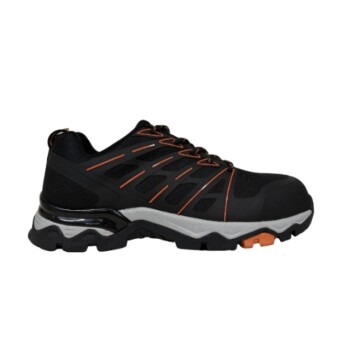
For high-risk ergonomic tasks like separating cotton husks from seeds, the primary requirements are flexible, durable apparel combined with highly supportive footwear. Because these tasks involve repetitive, synergetic movements of the hands and trunk, the equipment must allow for a full range of motion while providing a stable foundation for the body.
High-risk ergonomic tasks require a systemic approach to protection. Combining ergonomically tailored workwear with professional-grade shoes creates a physical barrier that improves comfort and slows the onset of repetitive strain injuries.
Optimizing Apparel for Repetitive Movement
The Critical Need for Flexibility
Tasks such as separating husks involve complex, synergetic movements of the upper body. Protective equipment must offer high flexibility to accommodate these motions.
Stiff or restrictive clothing adds unnecessary resistance to every movement. Over the course of a shift, this resistance accumulates, accelerating worker fatigue and strain.
Durability as a Core Requirement
While flexibility is key for movement, the material must also possess high durability. The repetitive nature of the task wears down standard materials quickly.
Durable workwear ensures that the protective physical barrier remains intact. This longevity is essential for maintaining consistent protection against external hazards associated with the task.
The Foundation: Footwear Requirements
Providing Substantial Support
Footwear serves as the anchor for the entire body. The primary reference emphasizes that shoes must provide substantial support to stabilize the body.
Even though the task focuses on hand and trunk movements, stability starts at the ground level. Proper support prevents the body from overcompensating during repetitive actions.
Professional-Grade Standards
Standard footwear is often insufficient for high-risk ergonomic environments. Professional-grade shoes are required to withstand the demands of the environment.
These shoes are engineered to maintain their supportive structure over time. This prevents the degradation of support that leads to discomfort and injury.
Common Pitfalls in Gear Selection
Ignoring the Synergetic Effect
A common mistake is viewing footwear and apparel as separate entities. The most effective protection comes from combining tailored workwear with supportive shoes.
When one element is missing—for example, flexible clothes worn with unstable shoes—the protective barrier is compromised. The body is still subjected to stress that accelerates repetitive strain injuries.
Sacrificing Comfort for Protection
It is a misconception that protective gear must be rigid or uncomfortable. In ergonomic contexts, comfort is a safety feature.
Improving overall worker comfort is directly linked to safety outcomes. Uncomfortable gear distracts the worker and disrupts the natural flow of synergetic movements.
Making the Right Choice for Your Goals
To ensure the safety and efficiency of your team during high-risk tasks, evaluate your equipment based on these priorities:
- If your primary focus is preventing repetitive strain injuries: Prioritize footwear that offers maximum stabilization to ground the body during continuous trunk and hand movements.
- If your primary focus is daily worker productivity: select apparel with the highest available flexibility to eliminate resistance during synergetic tasks.
The right equipment acts not just as clothing, but as a preventative tool against long-term physical wear.
Summary Table:
| Feature | Requirement | Benefit |
|---|---|---|
| Apparel Flexibility | High Range of Motion | Reduces resistance and prevents worker fatigue |
| Apparel Durability | Robust Materials | Maintains a protective barrier against repetitive wear |
| Footwear Support | Substantial Stabilization | Provides a steady anchor for hand and trunk movements |
| Gear Grade | Professional-Grade Standards | Ensures long-term structural integrity and injury prevention |
Elevate Your Workforce Safety with 3515 High-Performance Gear
Protect your team from the physical demands of high-risk ergonomic tasks with professional-grade solutions. As a large-scale manufacturer serving distributors and brand owners, 3515 offers comprehensive production capabilities for all footwear types. Anchored by our flagship Safety Shoes series, our extensive portfolio includes work and tactical boots, outdoor shoes, training shoes, and sneakers, as well as Dress & Formal shoes to meet your diverse bulk requirements.
Partner with us to provide your customers with equipment that reduces repetitive strain and maximizes productivity. Contact 3515 today to discuss your bulk manufacturing needs!
References
- Laksanee Boonkhao, Pongsak Rattanachaikunsopon. Factors Associated with Ergonomic Risk among Informal Workers in the Northeast of Thailand. DOI: 10.13189/ujph.2023.110309
This article is also based on technical information from 3515 Knowledge Base .
Related Products
- Premium Suede Sport Safety Shoes for Wholesale & Bulk Orders
- Premium Lightweight Safety Shoes for Wholesale & Bulk Orders
- Wholesale Anti-Smash & Puncture-Proof Safety Shoes Custom Manufacturing for Brands
- Premium KPU Injection Athletic Style Safety Shoes
- Premium Safety Shoes with Rotating Buckle Safety Sneakers
People Also Ask
- What industries have specific OSHA footwear requirements? Ensure Compliance & Protect Your Workforce
- What are the primary functions of professional safety shoes? Maximize Safety in Water Supply Confined Spaces
- What role do specialized safety shoes play in preventing falls? Engineering Stability in Industrial Environments
- What happens during the cutting stage of safety shoes manufacturing? Precision, Process & Quality
- What are the main safety features of S1-S5 shoes? The 3 Essential Protections Explained