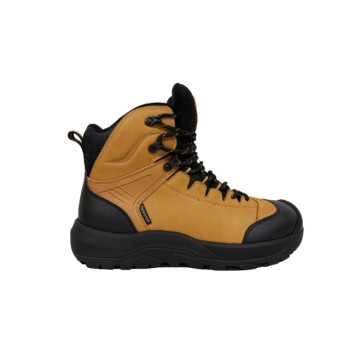
At their core, fur-lined warm boots are defined by three primary features: a high-performance insulating lining for warmth, a weather-resistant upper for protection, and a high-traction outsole for safety. These components work together to create footwear specifically engineered for comfort and stability in cold-weather environments.
The key is to see these boots not just as warm footwear, but as an integrated system. The effectiveness of the fur lining depends entirely on the performance of the boot's outer shell and sole to keep you dry and upright.
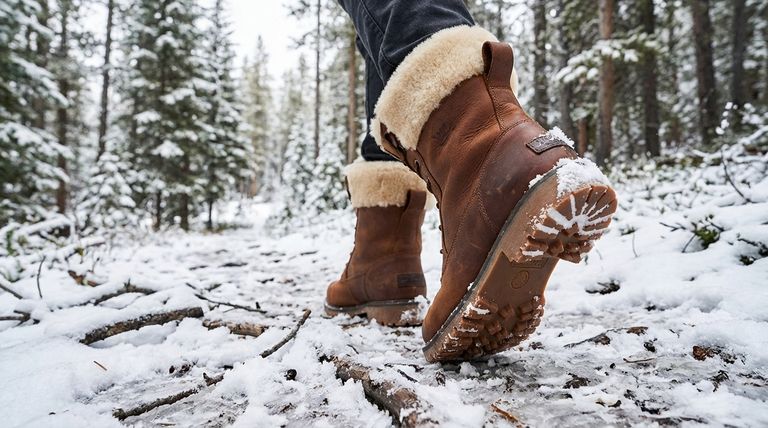
The Core Components of a Fur-Lined Boot
Understanding how each part of a fur-lined boot functions is essential to evaluating its quality and suitability for your specific needs. Each component plays a distinct role in delivering warmth, protection, and stability.
The Fur Lining: The Engine of Warmth
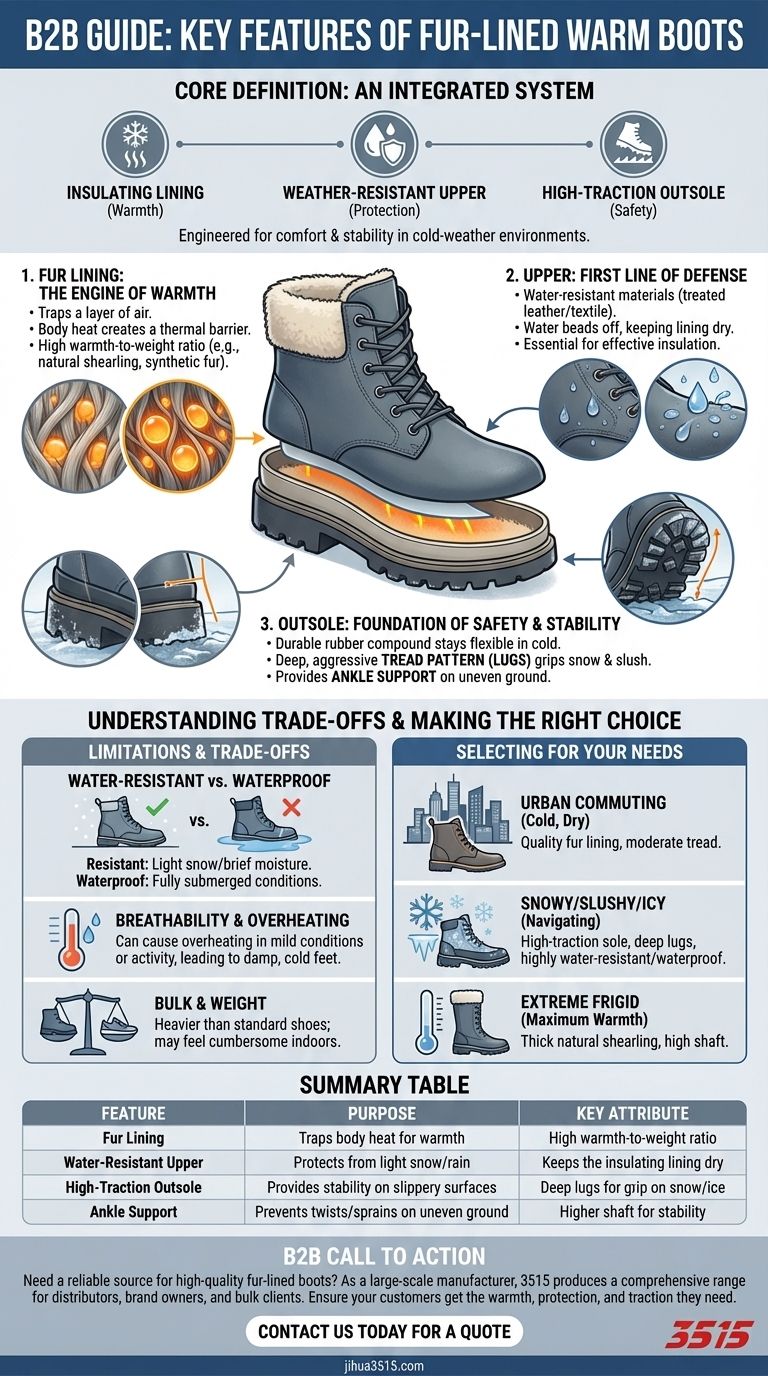
The defining feature of these boots is the fur lining, which provides warmth through insulation. The dense fibers of the fur trap a layer of air around your foot. Your body heat warms this trapped air, creating a thermal barrier against the outside cold.
This principle is why materials like natural shearling or high-quality synthetic furs are so effective. They provide a high warmth-to-weight ratio without excessive bulk.
The Upper: Your First Line of Defense
Most quality warm boots feature water-resistant uppers, typically made from treated leather or synthetic textiles. This treatment causes water from light snow or rain to bead up and roll off rather than soak into the material.
This resistance is critical for keeping the insulating fur lining dry. A wet lining loses its ability to trap air effectively, leading to cold and uncomfortable feet.
The Sole: The Foundation of Safety
The outsole is designed for traction on potentially slippery surfaces. These are almost always made of a durable rubber compound that remains flexible even in freezing temperatures, which prevents it from becoming hard and slick.
Look for a deep, aggressive tread pattern, often called lugs. These grooves and channels are designed to grip uneven surfaces like snow and slush, providing stability with every step.
Structural Support: Stability on Uneven Ground
Beyond warmth and traction, these boots are designed to provide ankle support. The higher shaft of a boot helps stabilize your ankle, reducing the risk of twists or sprains when walking on icy or uneven ground.
This structural integrity distinguishes them from a simple warm slipper and makes them suitable for active outdoor use.
Understanding the Trade-offs
While highly effective, it's important to understand the limitations and potential downsides of fur-lined boots to ensure they match your expectations.
Water-Resistant vs. Waterproof
This is the most common point of confusion. Water-resistant means the boot can handle light snow and brief exposure to moisture. It is not waterproof, meaning it is not designed to be submerged in deep puddles or slush. For truly wet conditions, a boot with a fully waterproof membrane is necessary.
Breathability and Overheating
The excellent insulation of a fur lining can be a double-edged sword. If worn in mild conditions or during strenuous activity, your feet can overheat and sweat. This moisture then gets trapped, making your feet feel damp and eventually cold.
Bulk and Weight
To achieve a high level of warmth and support, fur-lined boots are inherently heavier and bulkier than standard shoes. While perfect for their intended purpose, they may feel cumbersome for all-day indoor wear or for situations where agility is paramount.
Making the Right Choice for Your Needs
Selecting the right boot depends entirely on how you plan to use it.
- If your primary focus is urban commuting in cold, dry weather: A stylish boot with a quality fur lining and moderate tread will serve you well.
- If your primary focus is navigating snowy, slushy, or icy conditions: Prioritize a boot with a high-traction sole, deep lugs, and a genuinely waterproof or highly water-resistant upper.
- If your primary focus is maximum warmth in extreme, frigid temperatures: Look for boots with thick, natural shearling linings that extend high up the calf for maximum insulation.
Ultimately, the best fur-lined boot is one whose features directly solve the challenges of your specific winter environment.
Summary Table:
| Feature | Purpose | Key Attribute |
|---|---|---|
| Fur Lining | Traps body heat for warmth | High warmth-to-weight ratio |
| Water-Resistant Upper | Protects from light snow/rain | Keeps the insulating lining dry |
| High-Traction Outsole | Provides stability on slippery surfaces | Deep lugs for grip on snow/ice |
| Ankle Support | Prevents twists/sprains on uneven ground | Higher shaft for stability |
Need a reliable source for high-quality fur-lined boots?
As a large-scale manufacturer, 3515 produces a comprehensive range of footwear for distributors, brand owners, and bulk clients. Our production capabilities encompass all types of insulated boots, ensuring your customers get the warmth, protection, and traction they need. Let us help you stock the perfect winter footwear.
Contact us today to discuss your requirements and get a quote!
Visual Guide
Related Products
- Premium Insulated Safety Boots and Shoes for Wholesale & Bulk Orders
- Durable Leather High-Ankle Tactical Boots for Wholesale & Custom Manufacturing
- Durable Goodyear Welt Leather Work Boots for Wholesale & Private Label
- Wholesale Leather Work Boots with Customizable Wedge Sole for Brands
- Durable Leather Moc Toe Work Boots for Wholesale & Custom Manufacturing
People Also Ask
- What are the recommended insulation ratings for mild winter conditions? A Guide for Active & Stationary Workers
- How does insulation thickness correlate with temperature ranges? A Guide to Choosing the Right Warmth
- What insulation level is needed for severe cold and stationary work? 1200g or Higher is Essential
- What safety advantages do insulated boots offer beyond warmth? Dielectric Protection & Superior Grip
- How does fleece lining contribute to the warmth of insulated boots? Trapping Air for Superior Cold Protection